NEED TO KNOW
- Prince William’s royal patronage of the charity Tusk is now 20 years old
- It represented the start of his commitment to helping the welfare of animals and combating the trade in illegally poached wildlife parts
- And it is linked with the area where he proposed to the then Kate Middleton, in 2010
Two decades ago, as Prince William was starting out in his public life after university, only a tiny number of causes caught his eye.
Gradually beginning to choose the patronages and charities that he would champion in the long term, he picked the then little-known charity Tusk, which fought for the welfare of elephants and rhinos that were being massacred by poachers in the savannahs of Africa.
Tusk works to combat the decimation of wildlife in Africa, and William had come across the campaign to protect wildlife from poachers in the area around Lewa, Kenya, when he was on his gap year before he started at St. Andrews University, where he and Kate Middleton fell in love. There, in Lewa Downs, he stayed with Ian Craig and his family, immersing himself in what Lewa Conservancy and the rangers do, and becoming close friends with his daughter Jecca Craig and her brother Batian.
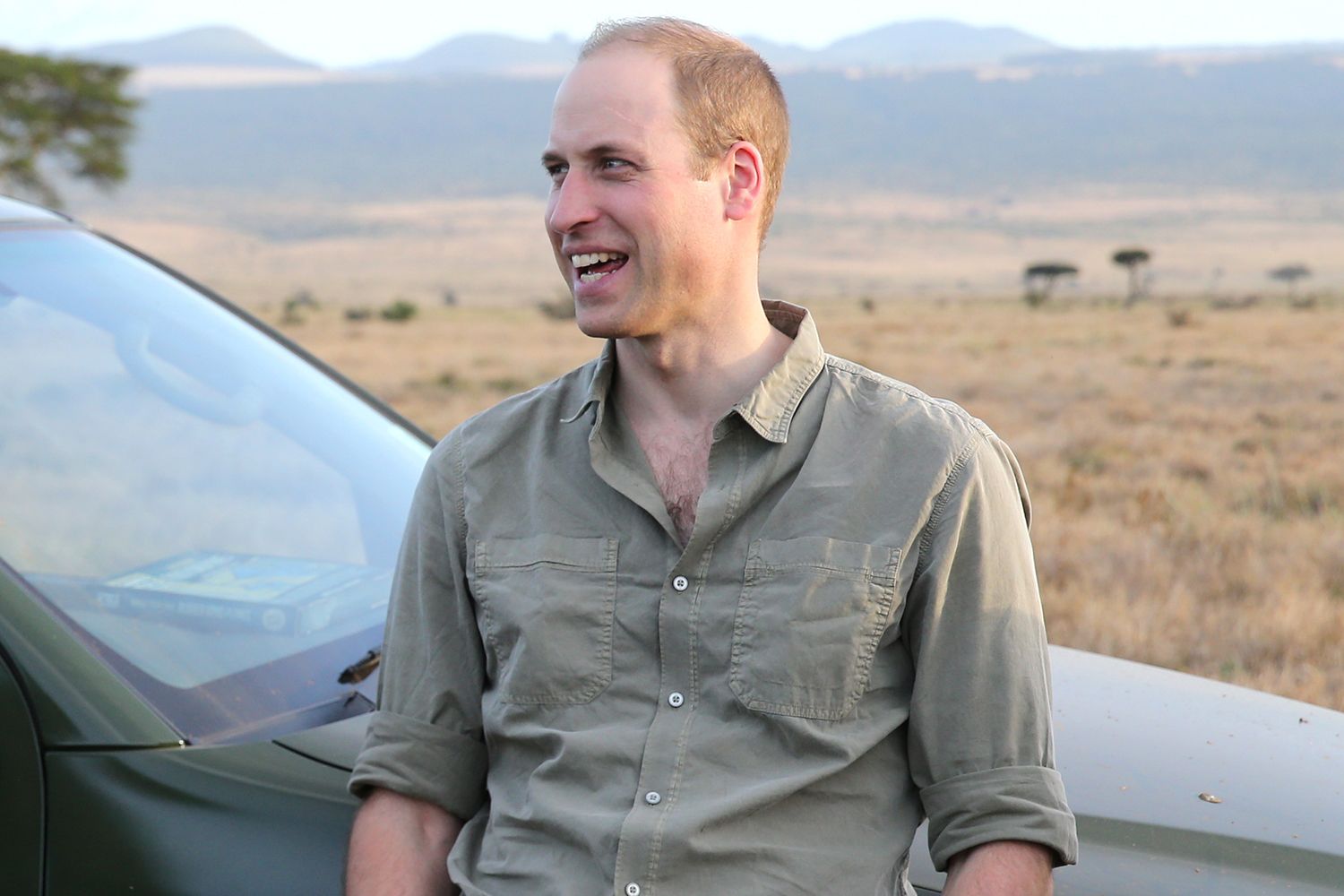
Prince William, royal patron of Tusk, working in Kenya, with Tusk’s Charlie Mayhew, second left.
Chris Jackson/Getty
Tusk provided a perfect avenue to continue that connection with Lewa and all it was trying to achieve, and preserve — and it is a commitment that continues to this day.
It was back to Lewa Downs in October 2010 that William took Kate and asked her to marry him, after carrying around his late mother Princess Diana’s engagement ring in his backpack for much of the vacation.
“We had a little private time away together with some friends, and I just decided that it was the right time, really,” he said when the couple announced their engagement in November 2010. “We had been talking about marriage for a while, so it wasn’t a massively big surprise. I took her up somewhere nice in Kenya, and I proposed.”
Prince William and Kate Middleton on the day they announced their engagement in Nov. 2010.
Chris Jackson/Getty
The future king added, “I’d been planning it for a while, but as any guy out there will know, it takes a certain amount of motivation to get yourself going. I was planning it, and then it just felt really right out in Africa. It was beautiful at the time. I had done a little bit of planning to show my romantic side.”
William has since built on his work with Tusk to create United for Wildlife, of which Tusk is a prominent supporter. United for Wildlife is a coalition that works to counter the trade in illegal wildlife parts and supports the guardians of nature, as William calls them, who are on the frontline in protecting animals.
This week, Tusk celebrated its latest batch of heroes for wildlife.
One year, it was Ian Craig who was on the receiving end of an award. In 2022, he was the recipient of the Prince William Award for Conservation.
As he has gone around the world, meeting global leaders including President Xii Jinping of China and urging the clampdown on trade in wildlife parts like ivory and rhino horn, he has pressed home the arguments, President and founder of Tusk Charlie Mayhew has told PEOPLE. William “is not the sort of person to shy away from having difficult conversations. He doesn’t pull his punches,” Mayhew added.
Prince WIlliam in Kenya in 2016 with Charlie Mayhew, left, and Kenya’s Minister of Environment, Judy Wakhungu.
Chris Jackson/Getty
Can’t get enough of PEOPLE’s Royals coverage? Sign up for our free Royals newsletter to get the latest updates on Kate Middleton, Meghan Markle and more!
In 2024, Mayhew told PEOPLE of William, “He is very knowledgeable and passionate about conservation and the environment. He has a particular love for Africa. He has been incredibly supportive as our patron and proactive in supporting us. We find ourselves incredibly lucky.”