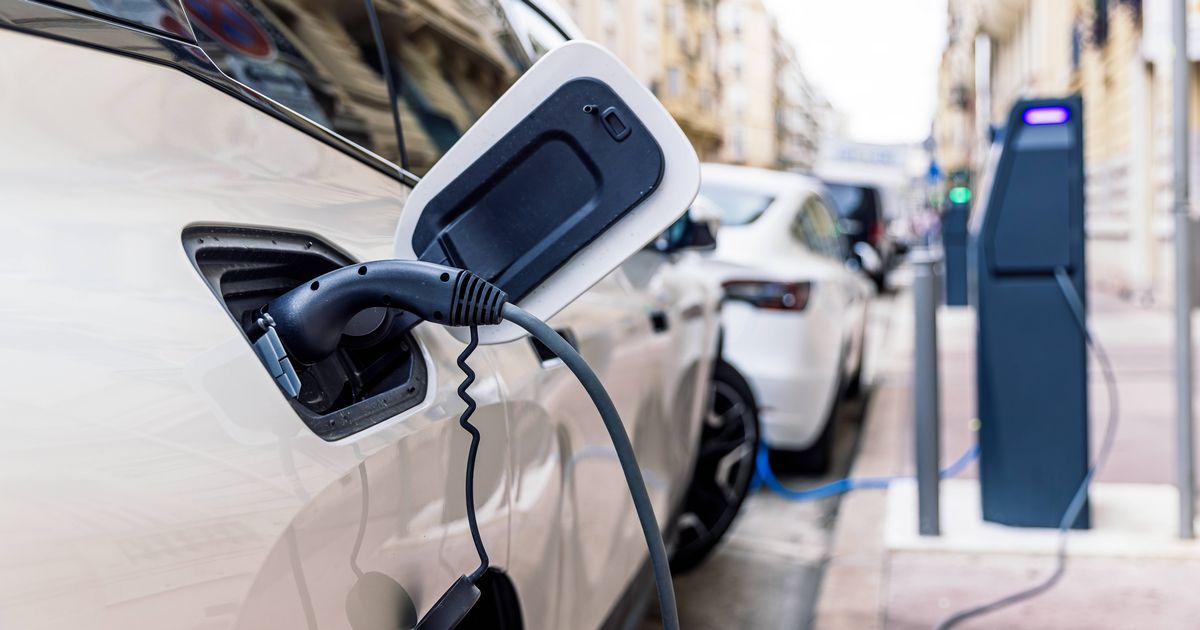
The Cleaner Vehicle Discount will be scrapped in 2026, meaning electric vehicles will no longer be exempt from the Congestion Charge in London
Lauren Haughey Lifestyle and Money Reporter and Jack Evans
06:59, 25 Nov 2025
 (Image: Alexander Spatari via Getty Images)
Mayor Sadiq Khan has issued a warning that from 2026, electric vehicles (EVs) will no longer be exempt from the London Congestion Charge. EVs previously enjoyed the Cleaner Vehicle Discount, but they will now face charges as part of a wider scheme to decrease the number of vehicles in the city centre.
Transport for London has announced that many changes will take effect from January 2. From this date, drivers of electric vans and lorries will receive a 50% discount when entering the zone, while those driving electric cars will get a 25% discount.
This means that drivers of electric vehicles will have to shell out a £13.50 charge to enter the zone, whilst owners of electric vans will face a £9 fee. According to BBC’s Top Gear, around 112,000 vehicles have been registered for the discount.
However, by March 2030, these discounts will be further reduced to 25% for electric vans and lorries, and 12.5% for electric cars. Meanwhile, the standard Congestion Charge for non-electric vehicles will rise from £15 to £18 from January 2, marking the first increase since 2020.
Residents living within the zone can expect reductions of up to 90%. However, those moving into the zone after March 1, 2027, won’t receive a discount unless they drive an electric vehicle, reports the Mirror.
Discounts of up to 100% will continue to be available for low-income and disabled Londoners. As reported by the Mirror, Sadiq Khan, the Mayor of London, previously stated: “Keeping London moving by reducing congestion is vital for our city and for our economy.
“While the congestion charge has been a huge success since its introduction, we must ensure it stays fit for purpose, and sticking to the status quo would see around 2,200 more vehicles using the congestion charging zone on an average weekday next year.
“We must support Londoners and businesses to use more sustainable travel, so I’m pleased that substantial incentives will remain in place for Londoners who switch to cleaner vehicles, as we work to build a greener and better London for everyone.”
Adding to this, Christina Calderato, TfL’s Director of Strategy, said: “If we want to ensure that London remains a thriving city for everyone to enjoy, then it’s vital that traffic and congestion is kept under control and managed effectively.
“The changes to the Congestion Charging scheme play a key role in allowing us to do that, while striking a careful balance that enables drivers, businesses and other organisations to continue transitioning to cleaner vehicles and more sustainable forms of transport.”
In a press release from Transport for London, Izzy Romilly, Sustainable Transport Manager at climate charity Possible, commented: “Tying the Congestion Charge to public transport fares is welcome. It’s only right to make sure that public transport doesn’t get disproportionately more expensive than driving. We’re also pleased to see new support for electric car clubs.
“We need to cut traffic and invest in accessible and affordable public transport, and make sure Londoners can walk, wheel and cycle safely. This will put us on the path to a healthier, fairer London – reducing air pollution and making the city safer for everyone.”