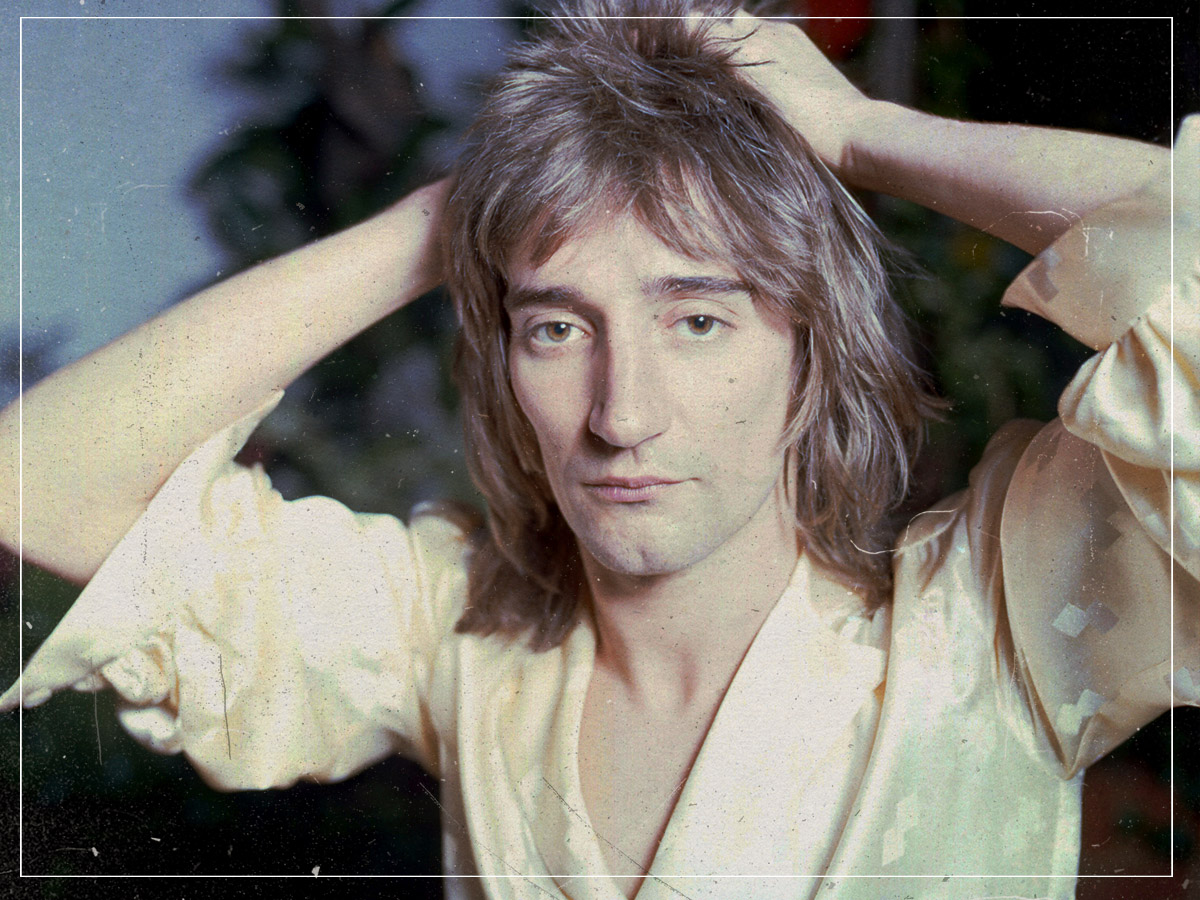
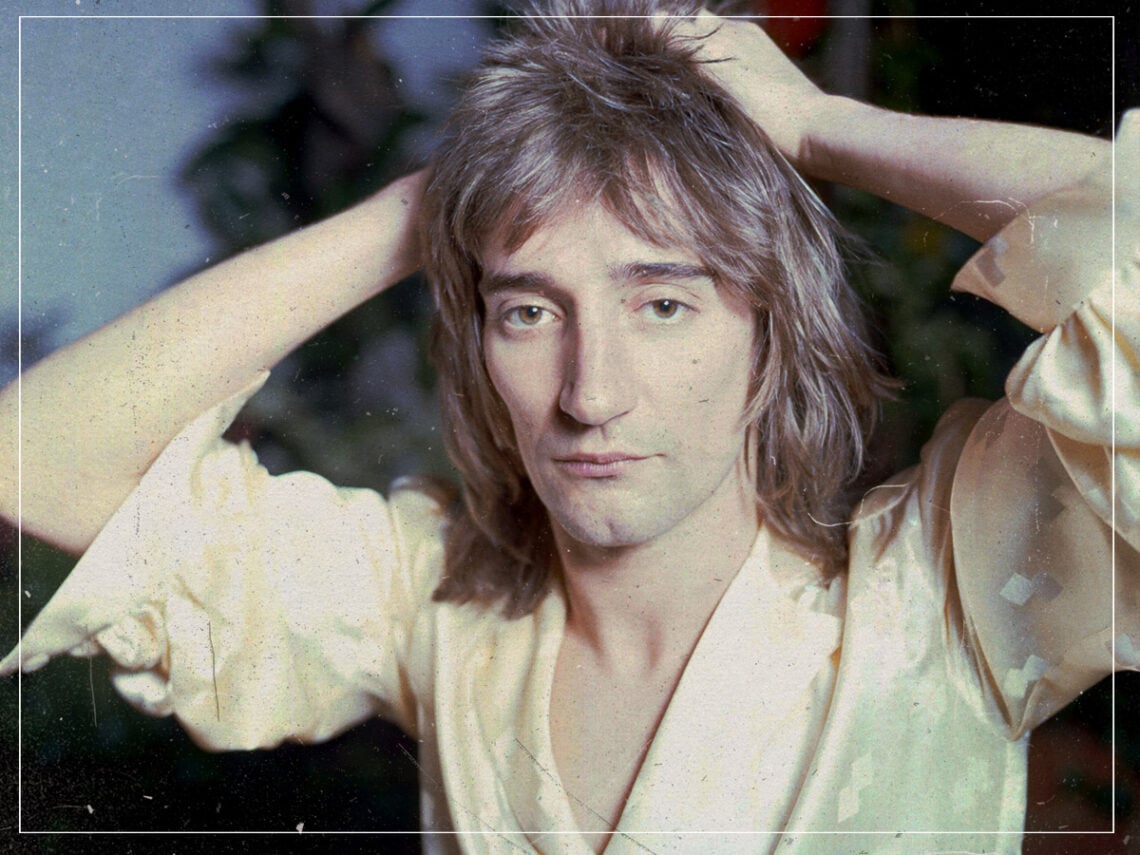
(Credits: Far Out / Allan Warren)
Tue 25 November 2025 9:21, UK
There are no set rules surrounding how to write a song. Inspiration often comes from the strangest places, and many artists spend years chasing after their first hit by using the same tactics they used the first time around. While Rod Stewart may have many classic performances, one of his finest tracks came together by complete accident.
After working in The Faces and alongside Jeff Beck, Stewart was already becoming known as one of the most in-demand voices of his generation. With a distinct blues-infused rasp to his delivery, Stewart knew how to deliver ballads and rock songs equally, putting together booze-soaked romps like ‘Stay With Me’.
By the time the frontman had struck out on his own, he had started to hone his craft by going back to his musical roots. As opposed to the electrified blues coming from the rest of the English rock scene, Every Picture Tells a Story was when Stewart started to get acquainted with acoustic instruments again, with the album benefiting from a more homespun atmosphere.
Although Stewart claimed that ‘Reason to Believe’ would be one of the frontrunners for the hit single, one of the greatest tracks of his career was relegated to a B-side. When Stewart first put a tune together for what would become ‘Maggie May’, though, he never thought there was any merit to it.
Telling the story about young lust, the song is a retelling of Stewart losing his virginity and the strange feelings he had felt afterwards. Although the track would become a rock classic in the years following its release, Stewart would say that he stumbled upon it when he started strumming his guitar.
 Rod Stewart in 1973. (Credits: Far Out / Alamy)
When recounting his time writing the song, Stewart had to be convinced to include the piece on the album, telling Classic Rock Stories, “‘Maggie May’ was an accident. It wasn’t meant to go on the album. A mate of mine who I thought had good ears said, ‘Well, I don’t think it’s got much of a melody, and it’s a bit long, you know?’. I said, ‘Well, I’ve only recorded ten tracks for this album. There’s nothing left over, so it’ll have to stay.”
Despite not having a proper melodic hook to go along with it, the story behind the song was enough to get millions invested in the tune. With the help of the mandolin that opens the tune, the track feels like listening to an old friend recall an old story from his past at a bar, still drowning his sorrows about the one that passed him by.
Stewart wrote of the track’s composition in his autobiography, Rod. “At 16, I went to the Beaulieu Jazz Festival in the New Forest,” he explained. “I’d snuck in with some mates via an overflow sewage pipe. And there on a secluded patch of grass, I lost my not-remotely-prized virginity with an older (and larger) woman who’d come on to me very strongly in the beer tent. How much older, I can’t tell you – but old enough to be highly disappointed by the brevity of the experience.”
While the song was put out as a B-side, its success came about through pure happenstance. Unbeknownst to Stewart, the track would gain traction when a radio DJ in America began to play the B-side on a whim, leading to millions of listeners requesting to hear it again.
The song’s momentum continued spreading throughout America before Stewart realised he had made a hit record. Although many artists spend years trying to crack the code of what constitutes a hit, sometimes the massive track is hidden in plain sight without anyone knowing it.
The track went on to be a number one hit on both sides of the Atlantic, topping the charts in the UK and the US. It has since become perhaps the most defining song of Stewart’s long and deep career. And to think, it almost never happened at all.
Related Topics