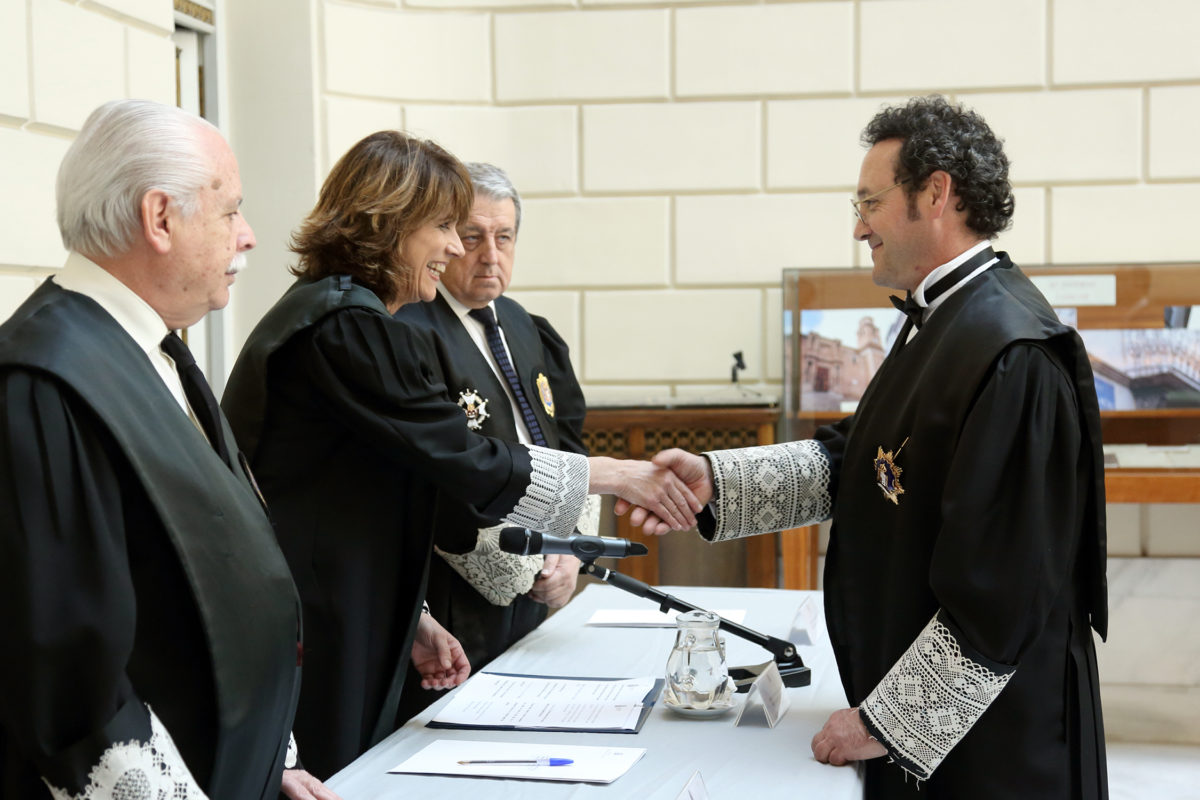
Spain’s Attorney General Álvaro García Ortiz resigned on Monday after the Supreme Court found him guilty of unlawfully disclosing confidential information.
The Supreme Court issued its ruling last week in a 5-2 decision. The court banned García Ortiz from holding his post for two years, imposed a €7,300 fine, and ordered him to pay €10,000 in civil damages. The case centered on García Ortiz’s disclosure of a February 2024 email exchange between prosecutors and Alberto González Amador’s lawyer. Amador is a businessman under investigation for alleged tax fraud and is also the partner of Madrid’s regional leader, Isabel Díaz Ayuso, who is one of Spain’s main opposition leaders.
The email reportedly contained the lawyer’s settlement proposal with the prosecutors and admission that Amador had committed the tax crimes. García Ortiz leaked the email to journalists on March 13, 2024, just hours after Spanish newspaper El Mundo published a report that allegedly contained a false narrative identifying the chief prosecutor as the one offering a plea deal to Amador. The report has since been retracted.
At trial, Madrid’s Chief Prosecutor Almudena Lastra identified García Ortiz as the source of the leak. During testimony, García Ortiz admitted he sought to counter the prevailing narrative, stating, “Truth does not leak, truth is defended.” This marked the first time a chief prosecutor faced criminal conviction in Spain’s democratic history.
The Supreme Court has not yet issued its full written judgment for the verdict. Procedurally, García Ortiz can present an incident of nullity before the Supreme Court under Article 241 of the Ley Orgánica del Poder Judicial. This procedure rarely succeeds, but it is essential for subsequently accessing the Constitutional Court under Article 44 of the Ley Orgánica del Tribunal Constitucional. Beyond the Constitutional Court, García Ortiz may ultimately appeal to the European Court of Human Rights.
The conviction intensifies political tensions between Prime Minister Pedro Sánchez‘s leftist coalition government and the conservative opposition, raising questions about the separation of powers and prosecutorial independence. This follows an international pattern of judicial interventions in different organs of a country, posing unique questions regarding the rule of law.