Today’s budget saw updates on business rates, licensing and minimum wage but no reduction in VAT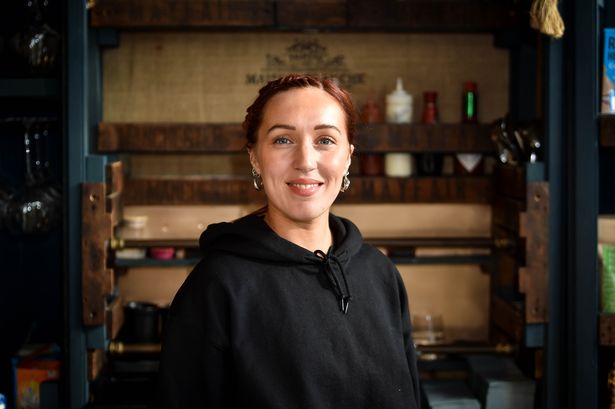 Darcey, who runs Gladstone Barber & Bistro Stalybridge(Image: Vincent Cole – Manchester Evening News)
Ahead of today’s budget, the people who run Greater Manchester’s pubs, restaurants and bars were holding the breathe. The last five years have been particularly difficult for the sector, as they grappled with the impact of Covid, Brexit, the Cost of Living Crisis, and increasing energy, ingredient and wage costs.
In the first half of 2025, the sector experienced a net loss of 374 venues – that’s about two closures a day. It’s the neighbourhood restaurants, community cafes and much-loved boozers that suffer.
It’s the people that serve too. In the nine months following the 2024 Budget, 89,000 jobs were lost according to the sector’s biggest trading body UKHospitality. The venues that manage to stay open are reducing staff hours and headcount to deal with the rise in National Insurance Contributions (NICs), Living Wage and Minimum Wage bills of the last budget.
In the last few weeks, at least 60 Greater Manchester hospitality voices signed an open letter to the Chancellor calling for urgent government action to save the region’s incredible venues. Backing UKHospitality’s Taxed Out Campaign they called for lower business rates, to ‘fix’ National Insurance Contributions that went up in April and to cut VAT.
As Chancellor Rachel Reeves delivered her second Autumn Budget today, many from the industry watched on, hoping and praying for some relief but last night’s announcement that confirmed minimum wage increases, suggested there wouldn’t be any major concessions for hospitality.
While a new licensing framework was also mentioning by Reeves today, to modernise ‘outdated’ planning and licensing rules by cutting red tape around opening and operating hospitality venues, most businesses in the sector were more concerned with minimum wage and whether VAT would be reduced.
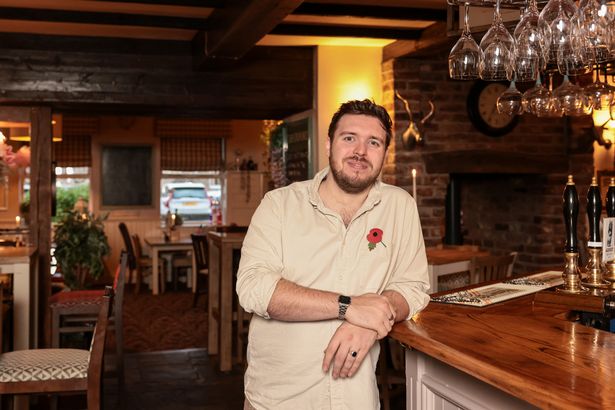 Tom McNeeney, Head Chef at The Oxford Pub in Rochdale(Image: Kenny Brown | Manchester Evening News)
The minimum wage for over-21s will increase by 50p per hour from April, to £12.71 – a rise of 4.1%. Workers aged 18 to 20 will get a bigger increase of 8.5%, to £10.85 an hour, and 16 and 17-year olds will get a 6% increase to £8 an hour.
For the 18-20 age group they amount will have increased by more than 65% from £6.56 an hour in five years.
While this means more money for workers, which many hospitality businesses understand and support, it will mean increased costs for these venues. Some may react by reducing hiring, others may be forced to raise prices – something many operators are loathe to do.
While it puts more money in people’s pockets, those in hospitality are concerned about the knock-on effect. For Tom McNeeney who runs The Oxford pub in Rochdale, and is regularly in Westminster lobbying on behalf of the sector, the concern is that the steep increase in the rate for younger workers is difficult for venues such as his that hire from this group and are wanting to help them into employment.
“One of the big things I’ve done this year is linking youth unemployment and jobs in hospitality, we’ve lost 100,000 jobs in the sector this year, and today we needed some encouragement to see them back into employment, but it’s making it more expensive for the employer to hire them – it’s another roadblock getting them into work,” he explained.
“Hospitality and retail are the sector that offer people opportunities to get into work. No one is getting their first job in finance or as a qualified plumber, we are the feeder and if you can’t get those young people into work because now it’s not financially viable for businesses, we’re adding to the problem.”
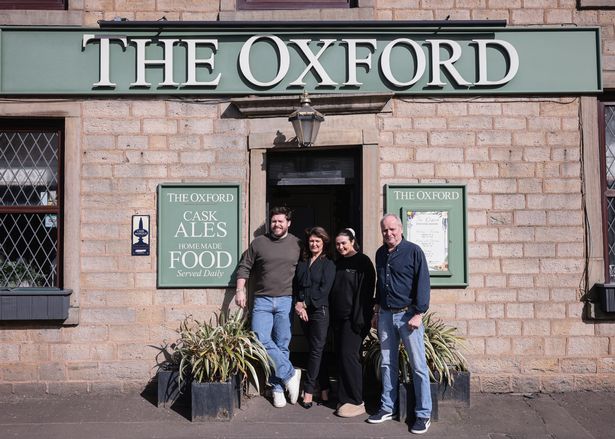 (Image: Kenny Brown | Manchester Evening News)
Tom and others felt aggrieved that for all the lobbying and ground work of the last few years – resulting in thousands of letters to the government and numerous media appearances – there was very little in the budget for hospitality. VAT was not reduced and nor NICs were not ‘fixed’.
“We didn’t really get an awful lot, we really need to start thinking about industries that are failing. Hospitality has been one of the big buzzwords but it’s falling on deaf ears.”
One area that was mentioned was business rates. In her speech to Parliament, Reeves announced permanently lower business rates multipliers for over 750,000 retail, hospitality and leisure properties from April 2026, which she described as the lowest rates since 1991.
It will create a two-tier system with reduced rates for properties with rateable values under £500,000, funded by higher rates on larger commercial properties. For Tom, he says greater clarity is needed on this given that some pub buildings exceed the £500,000 value.
Other announcements that came today include income tax and National Insurance thresholds being frozen until 3031 – meaning pay rises could drag people into a higher tax bracket or see a greater proportion of people’s income taxed than would otherwise be expected.
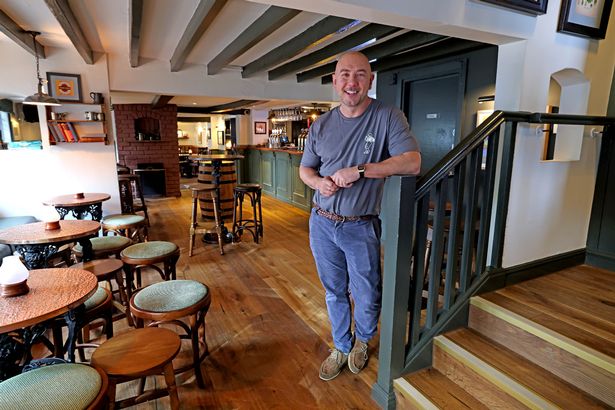 Owner of The Horse & Jockey, Neil Burke (Image: Jason Roberts /Manchester Evening News)
Some hospitality businesses worry about the impact that this, coupled with higher minimum wage costs and the passing on of costs to consumer’s will have on people’s drinking and dining habits.
“It was really disappointing, what is there is above inflation, and raising minimum wage at that rate means more money in people’s pockets but it doesn’t help businesses,” said Neil Burke who runs The Horse & Jockey in Chorlton and The Black Friar in Salford.
“I just question who is advising the Government, across the entire UK, hospitality businesses are struggling, it’s everywhere isn’t it. The sector is being screwed as it’s the knock-on effect, everything goes up.”
Darcey Budsworth, who runs Gladstone Barber & Bistro in Stalybridge told the Manchester Evening News that is was “massively disappointing” that VAT wasn’t reduced. The sector has been calling on it to be reduced from 20% for years.
“We’ve been fighting for so long, it’s so needed, but the fact there’s no shift in it is crippling, and freezing income tax thresholds will make things harder too – people won’t feel like they’re earning as much,” her and partner Yezzan said.
“If they were to bring VAT to 12.5% it would make more sense on paper, but what we’re faced with now is having to increase prices, we don’t want to do it, what else are we to do.
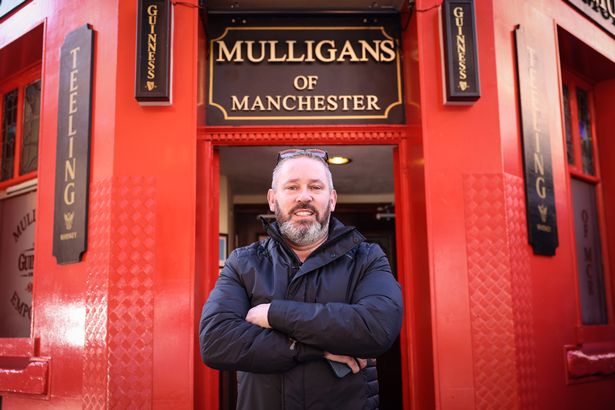 Pádraig Brady, the landlord at beloved Irish bar, Mulligans.(Image: Mulligans )
“Also, when the increase in wage costs came in April, our bill went up by about three to four thousands pounds, it feels like penny pinching on people’s hours, you want to provide a service and not lose quality, but then you have to cut people’s hours and not have as many people on as you would like.”
And this is all while the cost of ingredients continues to climb. “Electricity obviously had its big spike, but in terms of ingredients, a lot are almost double, truffle oil for example has more than doubled, £115 truffle for 5 litres.
“The overarching theme here is a complete lack of support, an industry that works so hard to make people happy and have amazing experiences, it feels really hopeless and like we’ve forgotten about, no support to get out of this black hole.”
While Pádraig Brady who runs Mulligans in Manchester says the minimum wage increases don’t worry him because he already pays his staff above the minimum he says it feels as if it’s on businesses to keep trying to convince people to visit them.
“The minimum wage increase won’t force an increased cost at Mulligans as we’ve always paid over, our starting wage for all staff is £13.50, and I’m delighted to pay more,” he said.
“What we will do when it comes into force I will voluntarily increase it by 50p – we don’t discriminate between 18 and 21 year olds. It’s a voluntary increase but I always tried to be fair, and pay them more, they deserve the pay, but ultimately it will be passed onto the consumer.
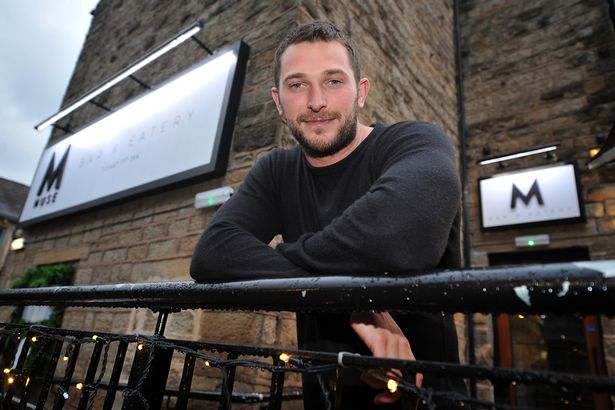 Rob Norbury, who runs Muse in Uppermill and The Farrars Arms pub in Oldham, has spoken about the planned reforms on the hospitality industry(Image: Manchester Evening News)
“On VAT they won’t touch these things at the moment because they can’t afford it, there are very few levers, and they’ve little room to manoeuvre.
“I did think it could have been a lot worse, it was good to see the rates lowered, that’s a little bit of stability, but really I don’t see any reductions in costs coming from the Government, they can’t afford it.
“From our point of view it’s what we can do ourselves, certainly for me it is what we can do to make people come out and say they had a great night. It will be hard for some pubs because they don’t have the financial power to do it., but we will keep looking at what we can do here.”
And for Rob Norbury, who runs the Farrars Arms pub in Oldham and Muse in Uppermill, he said he’ll have to find ways around the increase in minimum wage, calling it “very tough” as they consider putting up their prices.
“Customers don’t want to pay anymore than they’re paying now, and while you want them to understand it from your point of view, it’s not their problem, but if the minimum wage goes up in reality prices have to go up, we’re an industry susceptible to price increases and sometimes customers will stay away – it’s a fine line between making profit and getting people through the door.”