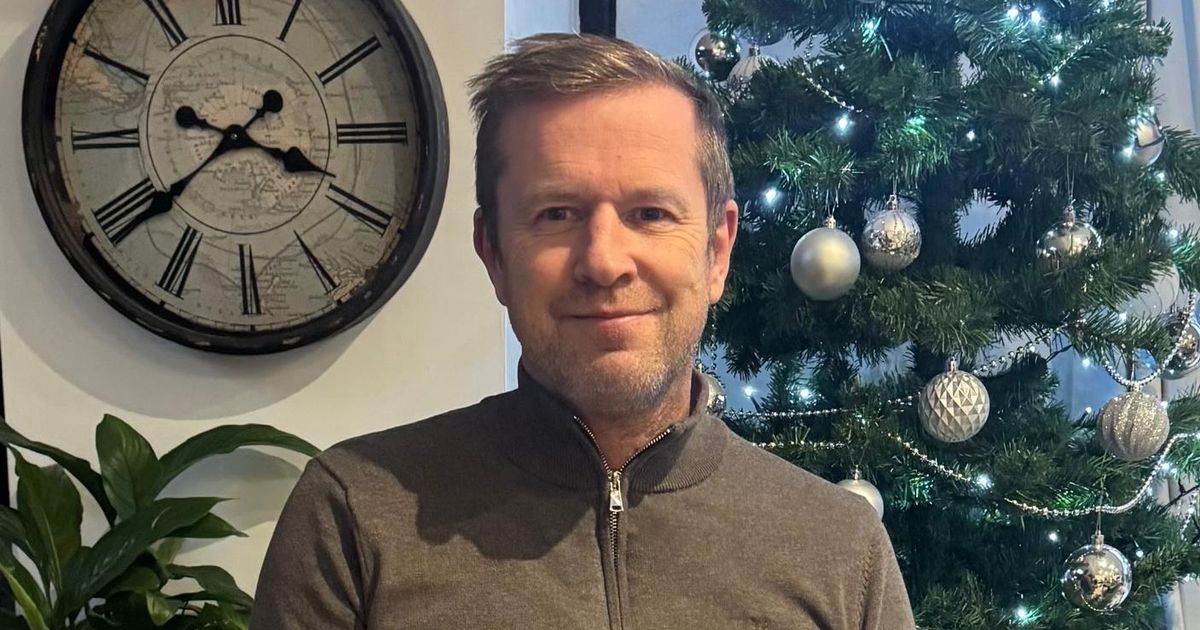
Hospitality figures from across the region have said the future isn’t looking hopeful after today’s Budget Wirral restaurant owner Chris Williams
Merseyside is said to be heading for a state of “survival” after Rachel Reeves delivered her highly anticipated financial statement this afternoon. The Chancellor of the Exchequer took to the despatch box in the House of Commons today, Wednesday, November 26, to reveal a series of high-profile announcements.
In Westminster, the Labour politician confirmed the freezing of rail fares, the scrapping of the two-child benefit cap and despite being debated ahead of the leaked speech, there were no changes to income tax.
When it comes to the hospitality industry, those who have been involved with the sector for years, have said a “storm of problems” are heading their way. This was mainly in response to the Chancellor confirming a pay-rise for millions of workers.
As previously trailed on Tuesday, November 25, Rachel Reeves explained how low-paid workers will receive a 4.1% pay rise next year. The National Living Wage will rise from £12.21 to £12.71 an hour from April for over 21s and and the minimum wage for 18-20-year-olds will go up by 8.5% to £10.85 per hour.
Other issues that will impact the industry, besides the increased labour costs, are the reduced business rates relief and the decision not to introduce a cut to VAT. This is on top of employer National Insurance rates going up earlier this year.
With this in mind, the ECHO asked Merseyside hospitality figures what they believe is coming next for the industry and their own venues.
Chris Williams
Owner of Heswall’s Silk Road, Vecino, Voisin and La Glace Ice Cream Shop
“Today’s Budget offered little meaningful support for independent businesses—especially hospitality, which is still struggling to recover after the March Budget.
“As a sector, we had hoped for a reduction in VAT to bring the UK in line with our European neighbours. Instead, hospitality continues to shoulder one of the highest VAT burdens in Europe, at a time when many operators are fighting simply to survive.
“I try not to see dark days ahead as an optimist. What I do see though, is a sector fighting to survive with one hand tied behind its back. Today’s Budget offered virtually nothing for hospitality. We hoped for a lifeline — a VAT cut, NI relief or a meaningful cut to rates, but instead we’re left to battle on with rising costs and shrinking margins.”
Tom Brooke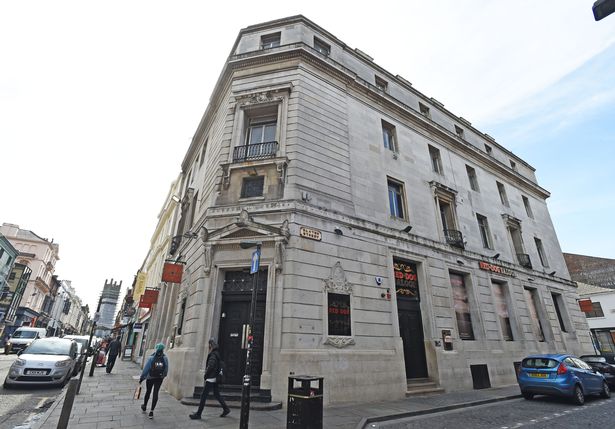 Red Dog Saloon on Bold Street(Image: Liverpool Echo/Colin Lane)
Founder of Bold Street’s Red Dog Saloon
“In this latest budget from Rachel Reeves, there isn’t a lot in it that directly affects the hospitality industry. The last budget raised national insurance, which caused a lot of damage to the industry by increasing the cost of employing people.
“In this latest budget nothing has been done to rectify that problem. What has been introduced is another raise in the minimum wage. Now whilst this sounds like a good thing in reality a mandatory raise in the minimum wage will make the cost of doing business go up. And the net effect of this will be a rise in unemployment and less jobs on offer within the hospitality industry.
“What we would have liked to have seen in this budget would’ve been some support and some easing of pressure on the hospitality industry by lowering the tax burden.
“What has been introduced in this latest budget is a plethora of new taxes alongside a dramatic increase in government spending. I think this budget will do nothing to help the Liverpool economy and the wider economy as a whole.
“In regard to Liverpool, specifically, I would expect to see a reduction in footfall in town, especially during the week, as consumers look to make savings. I would also imagine there will be less travel from other towns and cities into Liverpool as people’s purse strings have been tightened.
“I would say the future will continue to be a tough environment to trade in, and there will be fewer restaurants with fewer jobs. Hopefully, one day the powers that be will realise that this economic model of socialism doesn’t work and the only way to grow an economy is with a free market.”
Bill Addy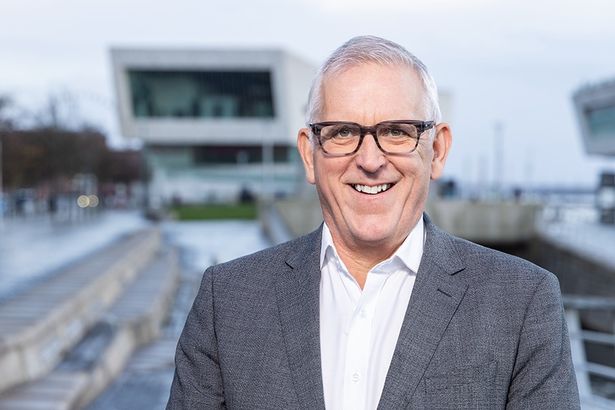 Bill Addy, the CEO of Liverpool BID Company(Image: Liverpool BID Company)
CEO of Liverpool Business Improvement District
“The devil is always in the details, and there needs to be clarity between the actual numbers and the political rhetoric. There’s not a huge amount that’s positive for our businesses within the visitor economy.
“There shouldn’t be a barrier for hiring younger workers, and while the training for apprenticeships for under 25s, in SMEs, is welcome, the cost for hiring remains high. There’s a balance to be drawn between making sure people can afford increasing living costs and have some more in their pocket, while making sure employer costs don’t prevent hiring.
“The problem is it’s coming in a storm for business, with high energy costs and, locally, the removal of free parking in the evening, which has hit hospitality in particular.
“Keeping business rates at the lower rate for retail, leisure and hospitality is great, but we shouldn’t forget that larger retailers with higher rateable values of over £500k are important places on our bricks and mortar high street offer. Expecting them to pay a lot more could hit high street investment, and we need those major brands, like Sports Direct on Church Street, to be those anchor tenants that draw in footfall.
“It’s also positive to see the start of that levelling up between high streets and online businesses with the customs duty reform. We await to see the details.
“We do need to ask what role this government wants the private sector to play in the economy. The announcement of the introduction of the tourist tax, alongside the suggested departmental cuts that will hit local government spend, means the private sector is essentially plugging the gap of that lack of investment.
“If the tourist tax is to go ahead, then hotels should get the same benefit of 10% VAT as they do in Barcelona. Business Improvement Districts are meant to provide additionality, not fill in the holes left by a reduction in public spending.
“Growth comes from productivity in the private sector and it’s so critical that the Government creates a positive and thriving environment for businesses. The burden cannot constantly fall on the private sector with no benefit.“