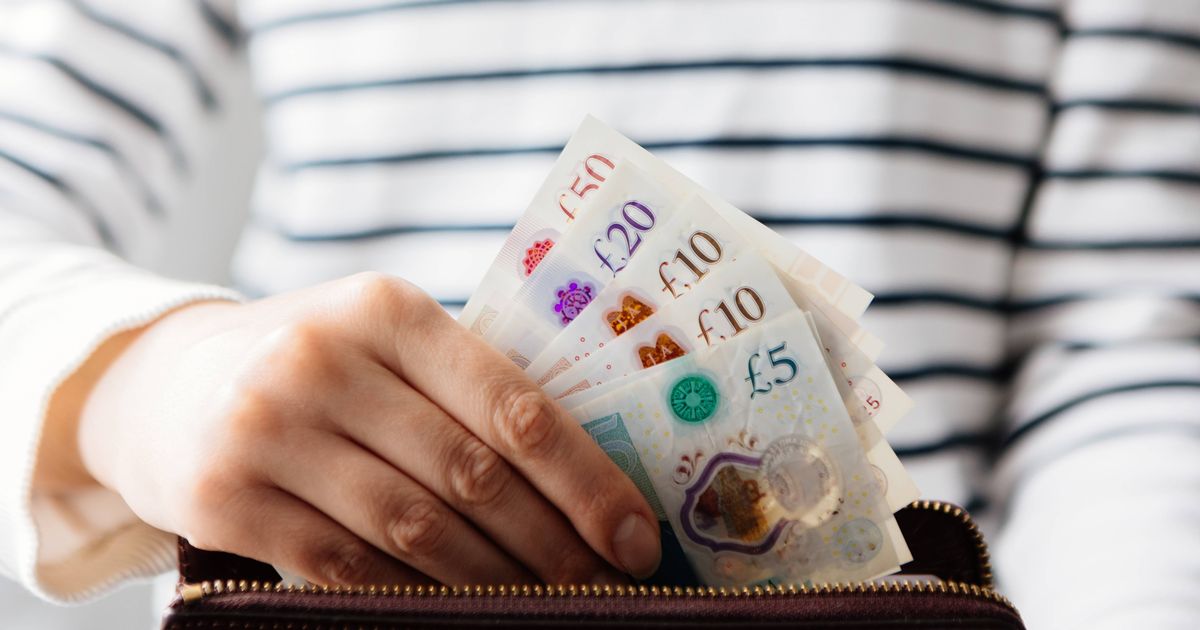
All low-paid workers will see an increase in their wages A pay rise is on the way for millions of workers(Image: agrobacter via Getty Images)
Millions of workers across the UK will get a pay rise next year, with an annual increase of around £900. During The Budget announcement on Wednesday, November 26, it was announced that the National Living Wage would see an increase in 2026.
The National Living Wage will rise from £12.21 to £12.71 an hour from April for people over the age of 21 with 2.4million workers seeing the increase. Minimum wage for people between 18-20 will also see an increase of 8.5% to £10.85 an hour.
Making the announcement, she said: “I know that the cost-of-living is still the number one issue for working people and that the economy isn’t working well enough for those on the lowest incomes. Too many people are still struggling to make ends meet and that has to change.
“That’s why today I’m announcing that we will raise the National Living Wage and also the National Minimum Wage, so that those on low incomes are properly rewarded for their hard work.” For money-saving tips, sign up to our Money newsletter here
What is the increase?
Over 21s will see a wage increase as the National Minimum Wage will rise by 4.1%. This means that it will go from £12.21 to £12.71 an hour, an annual increase of £900.
The minimum wage for 18-to-20-year-olds will increase by 8.5%. With the hourly rate currently standing at £10, it will increase to £10.85.
For 16-17-year-olds and apprentices, the minimum wage rate will increase from £7.55 an hour to £8, an increase of 6%.
The accommodation offset rate for employees (where accommodation is provided) will rise from £10.66 to £11.10, an increase of 4.1%.
Why is it happening?
Rachel Reeves’ announcement yesterday indicated that the UK Government had accepted the recommendations made by the Low Pay Commission – the independent body that advises the government about the National Living Wage and the National Minimum Wage – in full.
The recommendations from the LPC were given as the body found that low-paid workers were “still challenged by the cost-of-living crisis” and the increases in wages would help those struggling.
Baroness Philippa Stroud, LPC chair, said: “In our discussions this year with workers and employers alike, it has been clear that no-one is having an easy time.
“Despite sustained real increases in the minimum wage, low-paid workers are still challenged by the cost-of-living crisis. At the same time, employers, particularly small businesses, are under real pressure, exacerbated by this April’s National Insurance changes.”
When will it come in?
The new increases to minimum wage rates will come into affect from the new tax year in April, 2026.