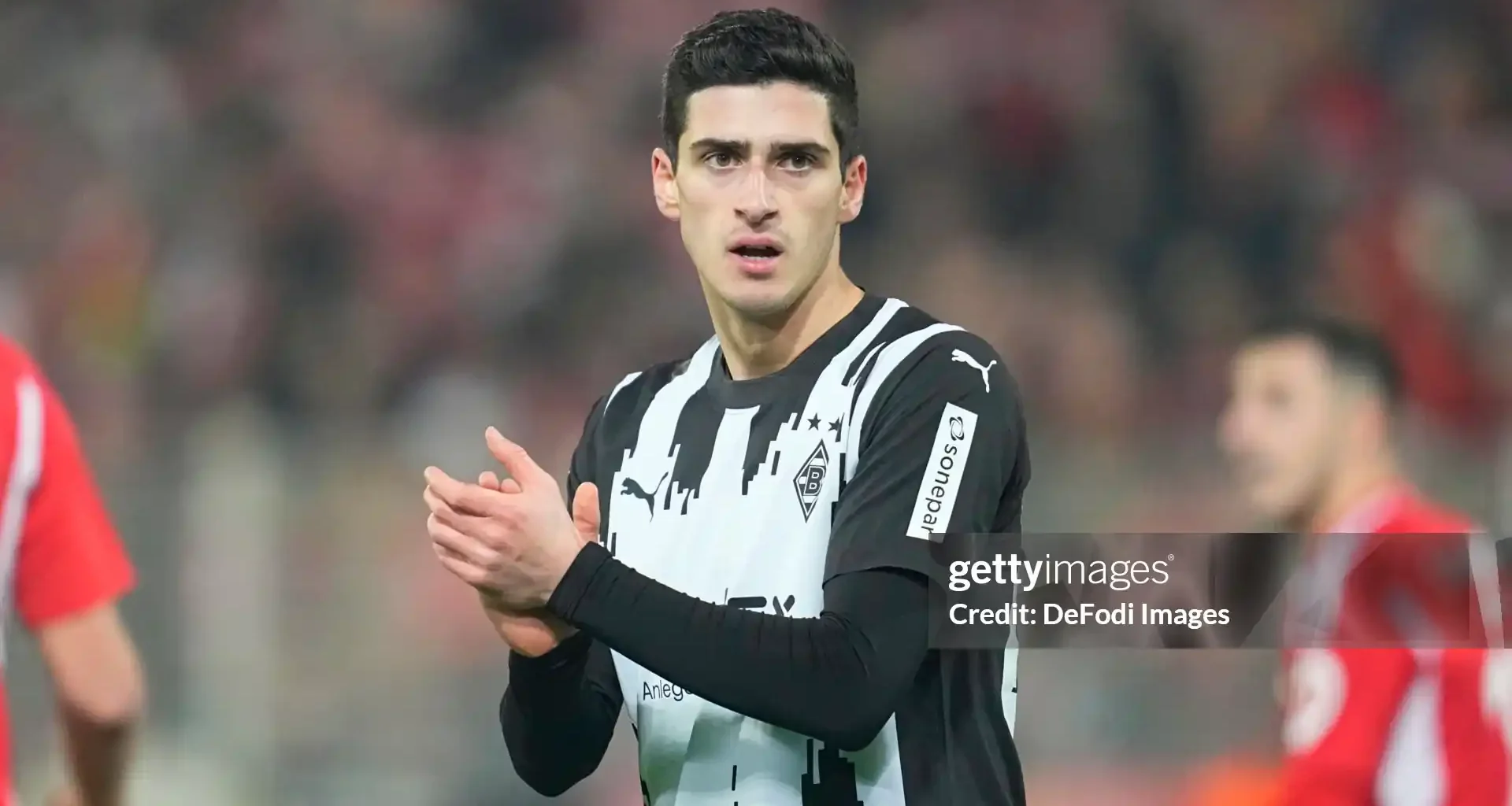
The German Football Association (DFB) intends to initiate changes to international regulations so it can receive compensation when young players trained in Germany choose to represent other national teams. DFB managing director Andreas Rettig stated this in an interview with the dpa news agency.
According to him, the current system — where a player receives years of training in Germany and then switches to another national team for free — “makes no sense.”
“We are examining whether it is possible to introduce a compensation mechanism for training when a player changes his national association. Coaching work should benefit both the player and the federation,” Rettig emphasized.
Why Germany raised this issue
For decades, Germany has faced situations where players with migrant backgrounds choose the national teams of their parents’ countries. At the same time, Germany itself has benefited greatly from this trend — international family backgrounds have given the country such players as Ilkay Gündogan, Mesut Özil, Sami Khedira and Gerald Asamoah.
The issue is becoming increasingly relevant: 43% of children under the age of five in Germany have dual citizenship, and in some youth national teams up to 70% of players are eligible to represent two or even three football nationalities.
Against this backdrop, the DFB is discussing the possibility of creating a unified compensation mechanism — but it can only be implemented with FIFA’s approval. If introduced, all countries would be required to follow it.
What this means for Armenia
Armenian football may also feel the consequences of Germany’s initiative. In recent years, the Armenian national team has gained several important reinforcements from players raised within the German football system.
Sargis Adamyan and Alexander Karapetyan were among the first notable examples of players trained in German clubs who chose Armenia.
Today, the key representative of the German school in the Armenian national team is Borussia Mönchengladbach forward Grant-Leon Ranos.
In the future, the national team could also see the addition of Marc and Mike Gevorgyan — who currently play for German youth teams — as well as several other young Armenian players in Germany, such as Anthony Sardaryan and others.
If FIFA approves the compensation idea, Armenia, along with other countries, may be required to pay certain fees for players trained in Germany but who decide to play under the Armenian flag.
For now it is only a discussion — but the trend is clear
The compensation issue has emerged amid a growing number of nationality switches in world football. Germany has already seen several examples: Ibrahim Maza (Algeria), Muhammed Damar (interest from Turkey), Nicolo Trezoldi (interest from Italy), and Fabio Gruber (Peru).
At this stage, the DFB’s proposal remains in the discussion phase, but even the fact of the discussion shows that major football federations are seeking to revise their approach to developing young players and to protect their investments.
For Armenia, this means the need to closely monitor the situation — as it may influence the strategy of recruiting football talents of Armenian origin from European academies.