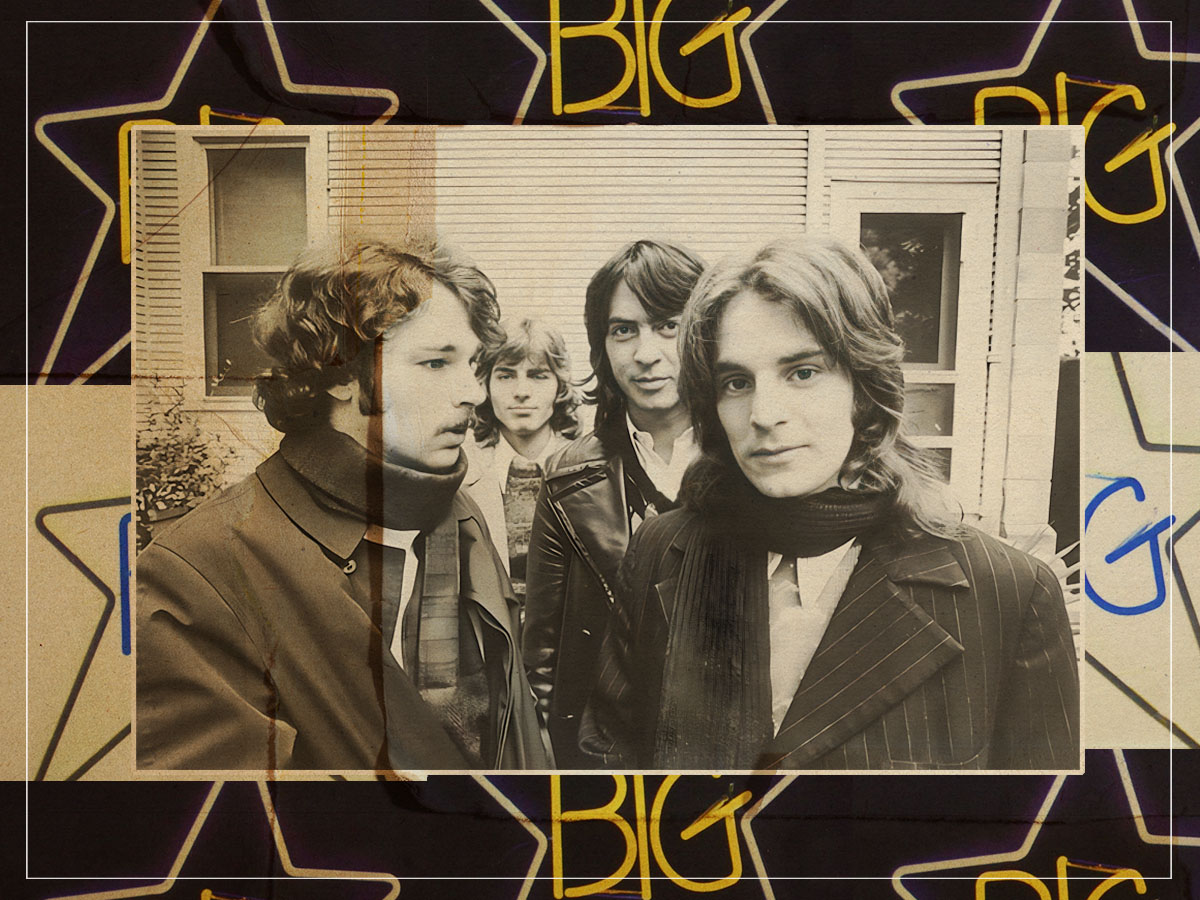
(Credits: Far Out / Big Star / Concord Music Group)
Fri 28 November 2025 21:00, UK
When Paul Westerberg wrote the classic 1987 Replacements song ‘Alex Chilton’ as a tribute to one of his songwriting heroes, there was already a sense that Chilton himself, former frontman of the Box Tops and Big Star, had somehow slipped through the cracks of the rock and roll genius club as a tragically forgotten old man.
Trouble was, he was still just 37 years old but seemed like he came from an older generation because he’d been right there in the thick of the 1960s pop scene, topping the chart as a musical fledgling out of Memphis with the Box Tops’ 1967 number one hit ‘The Letter’, his gruff lead vocal on that single making him sound like a grizzled bluesman, when he was but 17. Then, just five years later, now of legal drinking age, Chilton and his new band Big Star recorded their debut album, confidently or sarcastically titled Number 1 Record.
Unlike some other cult records that were brutally panned in their own time, only to be revisited and belatedly appreciated years later, Number 1 Record didn’t actually require any such second chances with the critics. The album received almost universally positive reviews, with the immaculate pop chops and complementary songcraft of Chilton and Chris Bell producing a collection of wall-to-wall bangers seemingly destined for rock radio immortality.
That didn’t happen, of course, but one could certainly argue more than 50 years later that Big Star’s complete commercial failure might have actually served them better in the long run. Any band can be the flavour of the week and then outstay their welcome, but far fewer bands become the secret discovery of each subsequent wave of power-pop songsmiths for generations to come, the blueprint for unpretentious, melodic rock that puts the songs above the stage show.
As for why Number 1 Record didn’t move units in 1972, well, aside from the ever-present reality that most people have always had bad taste, there were certainly a few other factors tripping up Big Star, including some major hiccups on the distribution end of things. Chilton had chosen to sign with the small Memphis record label Ardent, which was distributed by the famous soul label Stax, who though was trying to elbow its way into the rock and roll space at the time, there were clearly some growing pains there, and as a result, even record buyers who might have been interested in Big Star rarely found the band’s album in their local record shop.
Number 1 Record was also a bit out of sync with the chart-topping trends of 1972, which included a lot of folky singer/songwriter records, such as Don McLean’s American Pie, Neil Young’s Harvest, Cat Stevens’ Catch Bull at Four, as well as a rise in heavier and/or more theatrical rock in the forms of glam, metal, and prog.
Paul Westerberg’s vision of “Children by the million sing for Alex Chilton when he comes ’round” was a fantasy set in a more just world, but, then again, when it comes to Big Star’s lasting significance as power-pop forebears, even Chilton himself felt like the whole thing was much ado about nothing.
“I think in general Big Star is overrated,” Chilton, who died in 2010, told the Chicago Tribune back in 1995. Having moved more into jazz-inflected music in his ‘80s and ‘90s work, he felt disconnected from those pop nuggets he’d written as a youngster, admitting that playing reunion gigs with Big Star “wears thin fairly fast. There are only three or four of the tunes, like ‘In the Street’ and ‘When My Baby’s Beside Me’, that still work for me”.
The only thing better than a musical cult hero, of course, is one who nonchalantly dismisses his own deified work.
Related Topics