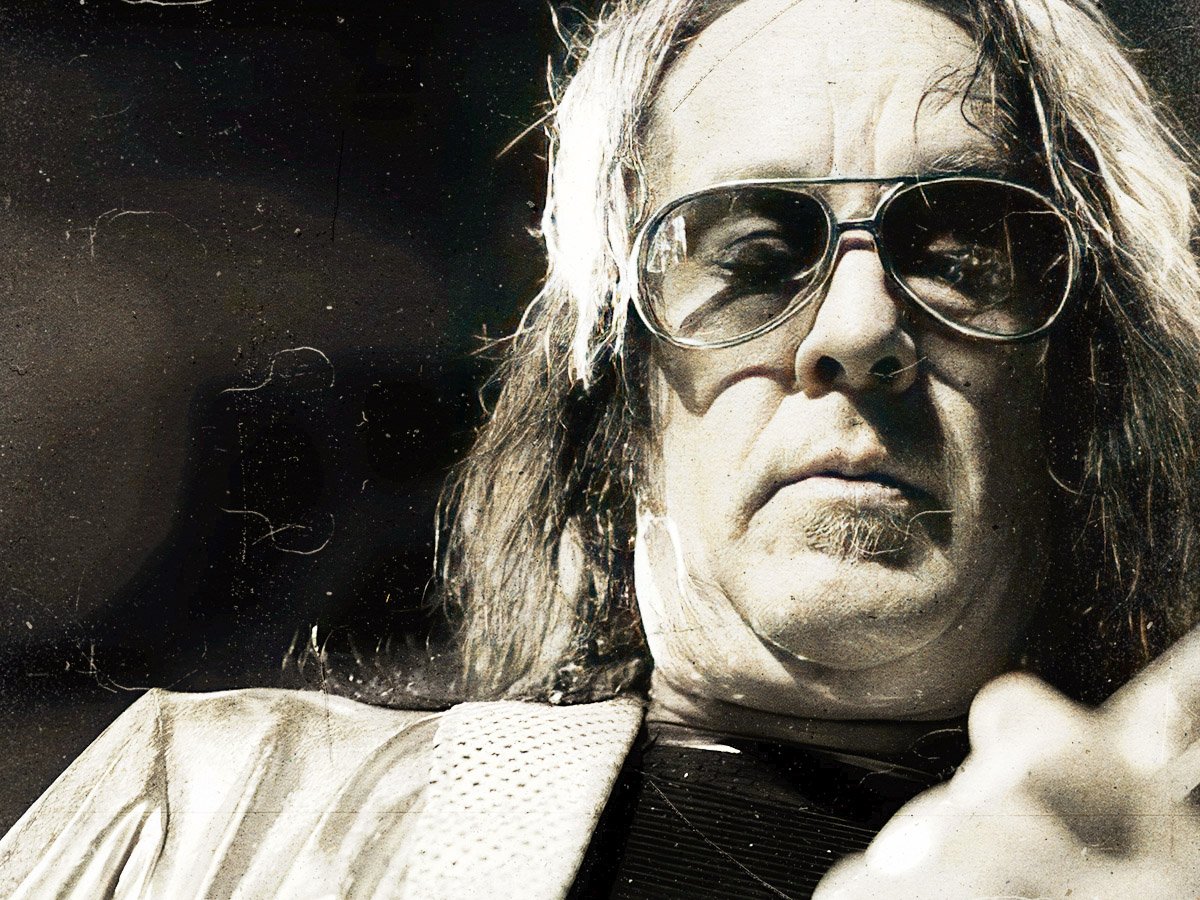

(Credits: Far Out / Guus Krol)
Fri 28 November 2025 23:00, UK
To the uninitiated, New York is a place of classic grandeur. Beneath that veneer, however, was a blitzing rock scene which Todd Rundgren knew was anything but crooning and theatricality.
Of course, you only have to look as far as CBGB and the exports it produced, from Blondie to the Talking Heads, to see what this resulted in: rock music edged with the grit of city living, but equally its own small rebellion against the tropes of grandiose that their environment itself liked to paint to the world.
New York was searing, sexy, manic, and agenda-pushing, never better embodied than in the aptly named New York Dolls. Taking this further, if you consider the heights of the 1970s, the music was a baptism of fire, throwing the firework of this mantra with a free-for-all approach to fashion, gender, and life at large.
Being on the sidelines to witness such an inimitable force command the stage, and subsequently the rock music scene of the world, really would have been something to behold. That’s exactly the feeling of excitement that Rundgren felt in his chest every time the New York Dolls geared up, but even more so, being able to sit alongside them behind the scenes.
Of course, the drink, the drugs, and the hedonism would be more than enough of an intoxicating elixir for anyone to get caught up in the true rush of it all. As it goes, Rundgren insists that he was actually pretty sober during that period, which was probably the more sensible of the two. After all, when both the fans and the industry insiders clung on, their grip could be suffocatingly tight.
Even in the supposed security of the studio, the bedlam never ceased. Rundgren recalled in an interview with Classic Rock in 2009: “The challenge of making the record [1973’s New York Dolls] was that the control room was a freaking circus; everyone wanted to know what was going on with The New York Dolls – the critics’ favourite band.”
He could try to find a sense of calm in the chaos all he wanted, but he was ultimately never going to win that battle. “The sessions involved politics, psychology and crowd control,” Rundgren continued. “And at a certain point I had to surrender to the process and accept that the surrounding insanity was going to be a part of the character of the record.”
In many ways, although this was hardly what you would consider a peaceful or necessarily productive state of affairs, Rundgren was right in saying that the mania was all part of what transformed the New York Dolls into such an exhilarating force of underground rock.
Plastering on the makeup or donning their androgynous costumes was simply the vehicle to the time and space bands like the New York Dolls found themselves in. Their real heart was in the burgeoning scene of punk, glam, and every electrifying fad that came with it. It was only natural that the critics would clamour for a ticket, but it was up to those like Rundgren whether they decided to board the bullet train.
Related Topics