In my last post on the curious peace plan drafted by Steve Witkoff and Kirill Dmitriev I urged that in its response Ukraine should not be panicked into arbitrary deadlines (Trump had suggested Thanksgiving as an appropriate date). I also suggested they ask for clarity over how Russian views are to be sought and incorporated so that after Ukrainian concessions Russia did not come back for more, ensure that the military and economic pressure on Russia was kept up to encourage it to soften its position, and get more clarification and more detail on what the language of the plan was intended to convey.
Lastly it was important to ‘cherry pick’ – to identify the:
‘bits that are acceptable, or could be made acceptable with better wording, and then suggest amendments that make them more favourable.’
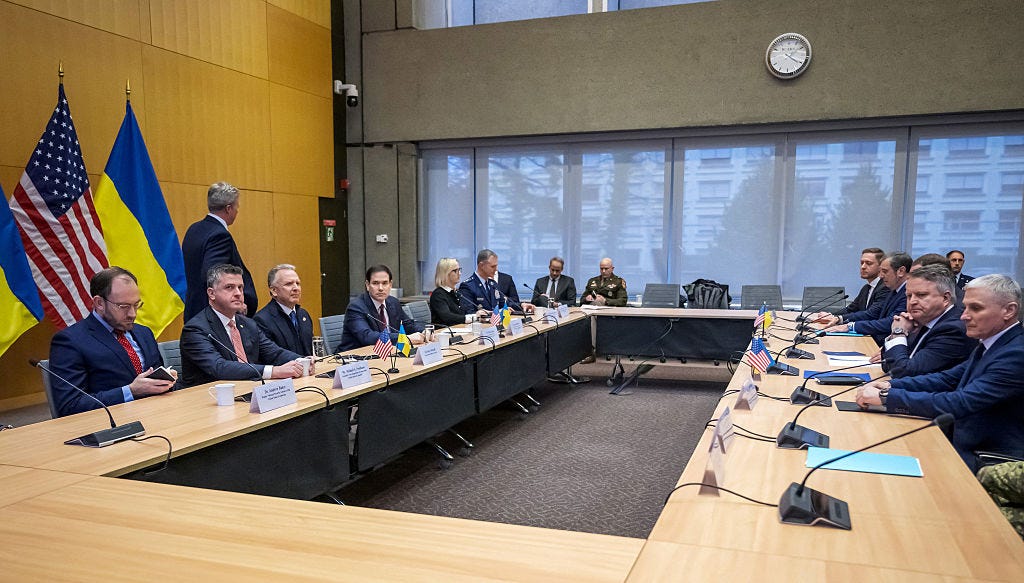
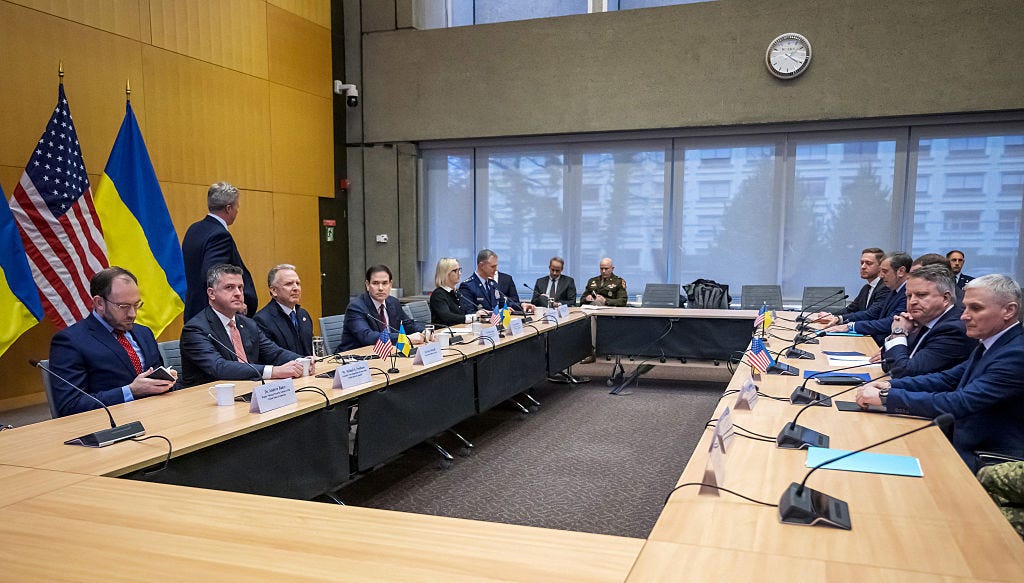
The Ukrainians and their European allies, helped by Secretary of State Marco Rubio, had similar thoughts. Thanksgiving has been and gone. They were able to turn the original amateurish and pro-Russian 28 points into a more acceptable 20. The new plan has not been released and is currently being held very closely, but we know that it contains no final determination on some of the more contentious issues, including the territorial. Matters that are properly for bilateral discussion between the US and Russia have been removed.
So perhaps there is a negotiating process underway. Drafts are being developed and starting to be shared with interested parties. The Russians have now received the 20-points document. Current discussions are different from those earlier in the year in that a much wider range of issues are being addressed. But the core points of principle on which the earlier efforts got stuck remain. In particular Russia continues to demand that Ukraine hand over territory that it has failed to take through war.
Before the leak of the 28 points on 19 November the best assumption was that not much more would happen until February or March. The Russians were banking on continuing progress on the front lines and making Ukrainians more miserable as they were left tired, cold, and blacked out because of regular drone and missile raids. For their part the Ukrainians assumed that if they could last the winter and confine Russia’s additional gains to a few increments of land then it might dawn on Moscow that it will never truly win this war. This message would be reinforced by extra economic pressure and regular hits on Russian oil infrastructure and other military -related targets.
Ukrainians have shown grit and resilience, and they will fight on rather than capitulate to unjust and unreasonable Russian demands. But they also have an incentive to take the negotiating process seriously. They would welcome a ceasefire to provide some respite and a chance to refresh, especially given a deepening corruption scandal. Although the most likely outcome is that little will be achieved from this process, they also need to show that if it fails it will not be because of their intransigence. So what should their strategy be and is there any chance that the US and Europeans can help make it work?