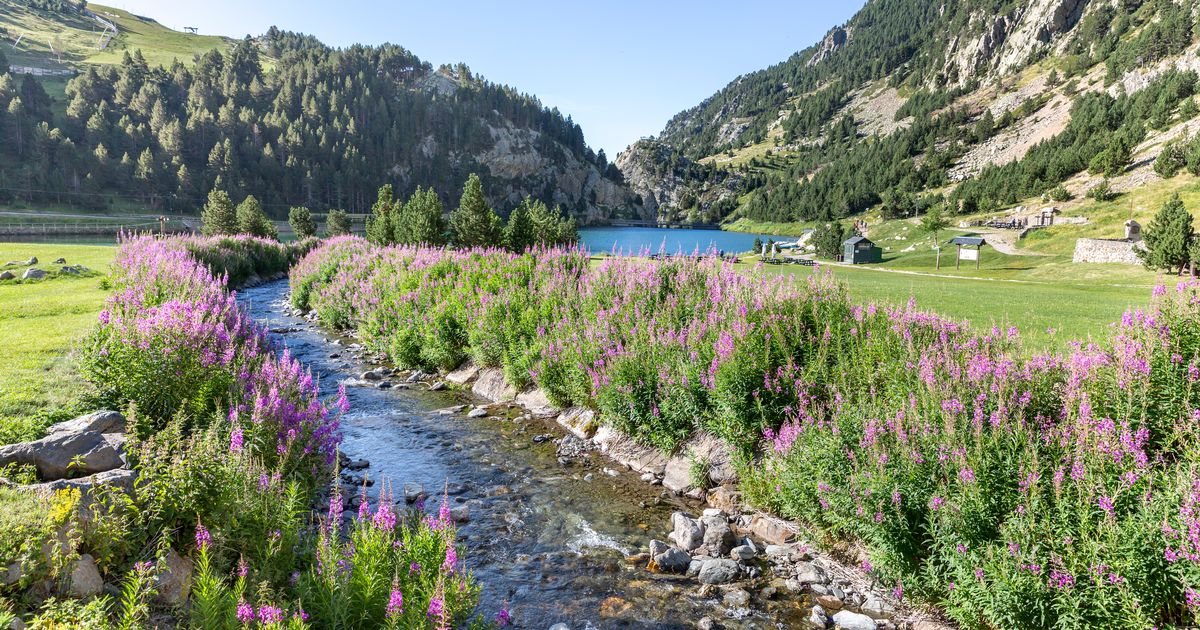
Nicola Donnelly recently journeyed through the Costa Brava and found a holiday that’s equal parts comfort and discovery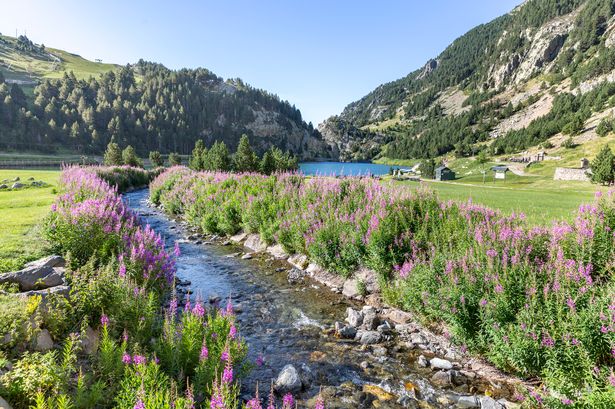 The Valley of Núria at the foot of the Pyrenees within the municipality of Queralbs, province of Girona
There’s a certain magic to waking up in Catalonia in northeast Spain – that moment when the sun lifts over the Pyrenees and light spills across ancient landscapes.
During our trip through the Costa Brava and Girona Pyrenees, we discovered a destination that truly has it all – mountains and sea, history and gastronomy, and a deep commitment to sustainable, active travel.
We departed Dublin Airport and flew Vueling Airlines to Barcelona Airport.
READ MORE: Sun holidays from €159 spark rush among Irish travellers in Black Friday mega sale
READ MORE: Eat, drink and be Meri’ in the most picturesque, luxurious ski village in the world
Our adventure began with a transfer to Ribes de Freser, where we checked into the beautiful Hotel Resguard dels Vents, perched above the valley and surrounded by tranquil mountain views.
The crisp October air and quiet scenery set the tone for what was to come in this beautiful region of Spain.
That afternoon we visited Queralbs, a charming mountain village that serves as the Freser Natural Park’s gateway.
Our guide guided us through the park’s pristine landscapes of pine forests, tumbling streams, and breathtaking vistas that capture the very essence of the Pyrenees.
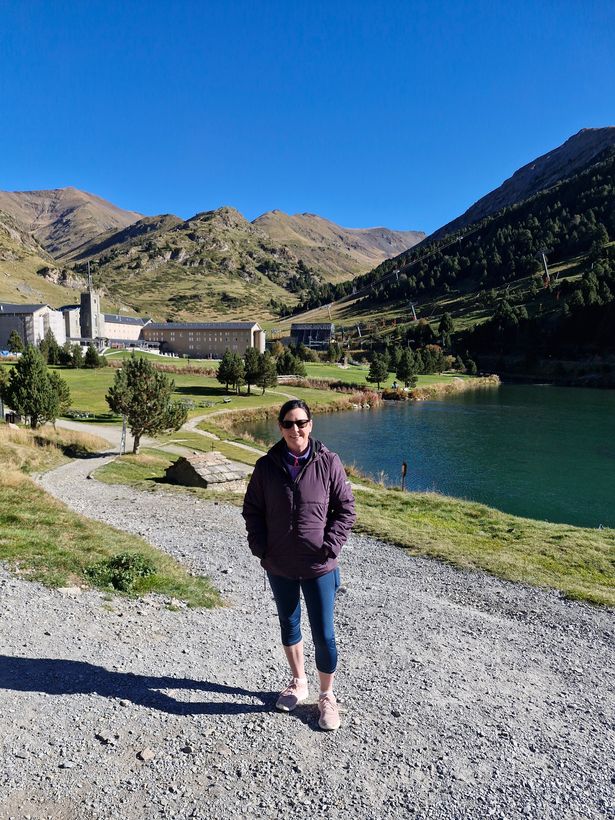 Nicola at Queralbs
Our guide explained the area’s ecological significance and how sustainability has become a cornerstone of tourism here.
As evening fell, we returned to the hotel for a relaxing dinner at Resguard dels Vents.
Over local dishes and regional wines, conversation flowed easily about the balance between preserving nature and welcoming visitors.
The following day we caught the rack railway up to Vall de Núria, a remote mountain resort surrounded by peaks and powered by an eco-initiative known as Ecovall, which champions sustainable tourism and energy efficiency in this fragile alpine environment.
Lunch was a highlight at Fonda Xesc in Gombrèn, a Michelin-starred gem where every dish tells the story of the region.
We then relocated to Mas La Ferreria Hotel in La Vall de Bianya, a beautiful hotel located in a historic 14th century farmhouse with 11 rooms and a restaurant serving traditional and seasonal cuisine.
Saturday started very early as we had to wait until 5.30am to discover if the weather was perfect for our magical balloon flight over the volcanic landscape of La Garrotxa.
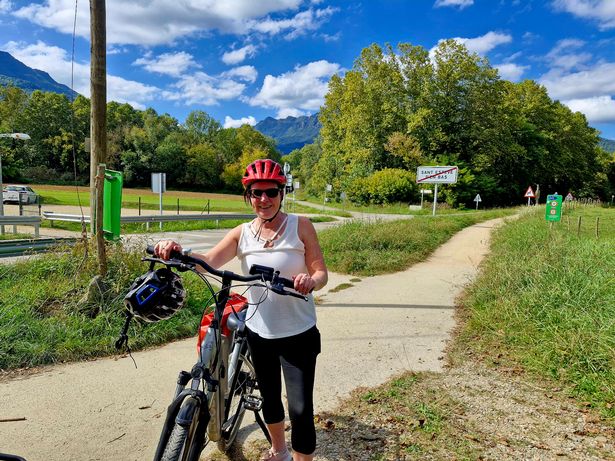 Nicola on an e-bike ride in front of the Pyrenees
Thankfully, the weather was perfect and we met the team from Vol de Coloms and as the burners hissed and the balloon lifted, we rose above a patchwork of forests, craters, and misty valleys.
Once we were comfortably soaring above the landscape, our pilot popped the cork on a bottle of Cava which we enjoyed a glass of with some Catalonia cake.
From up here, La Garrotxa looks almost prehistoric, a green sea punctuated by old lava flows.
When we touch down, we’re rewarded with a brunch of local products – rustic bread, cheese, sausage, and cava. It was a moment to savour as we were then presented with our certificates of achievement for our balloon flight.
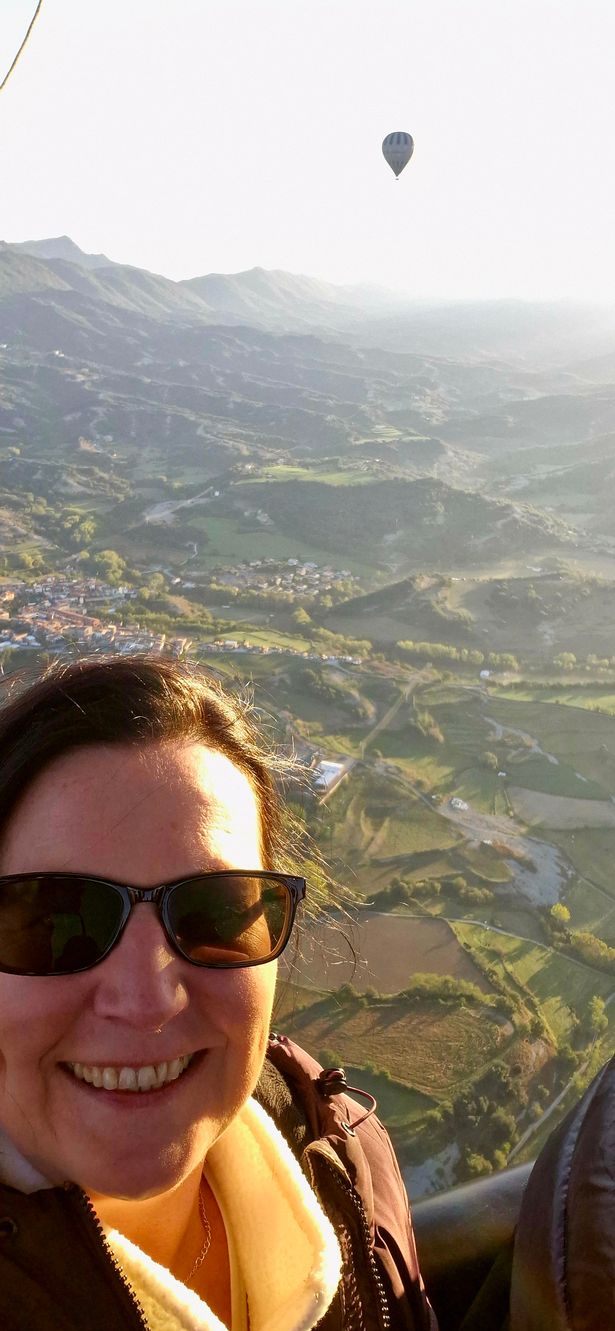 Nicola on a balloon flight
Later that day, we explored Olot, the gateway to the Garrotxa Volcanic Zone.
After a quick briefing at the Centre Logistic de Bicicletes, we set off on e-bikes along the Via Verde, a 15km greenway stretching towards La Vall d’en Bas.
The route is delightfully flat, weaving through farmland, meadows and small villages at a relaxed pace. It’s a perfect way to connect with the quiet, scenic countryside.
As we cycled, we passed many locals and tourists cycling the route. This is sustainable travel in its purest form, gentle on the planet and rich in experience.
We transferred to Costa Brava where we visited the Emporda Marshes Natural Parc for birdwatching and discovering the beauty of the natural reserve.
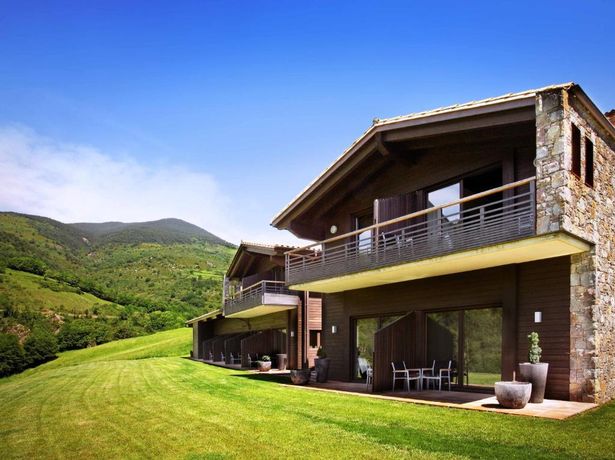 Resguard dels Vents
Our accommodation later that night was in bungalows at one of the campsites of Sant Pere Pescador where we also dined with members of the Costa Brava Campsites Association.
Over fresh food and local wine, we learnt about their commitment to green energy, recycling, and protecting the coastline for future generations.
Our final stop on Sunday morning took us to Sant Martí d’Empúries, where our guide led us through the Ruïnes d’Empúries.
Standing among the remnants of Greek and Roman civilizations, we sipped local wine which was a perfect blend of culture, history, and indulgence and a fitting end to our journey.
In just a few days, we’ve cycled, floated, hiked, and tasted our way through a region that seems to offer everything within arm’s reach.
From the volcanic heart of La Garrotxa to the peaks of the Pyrenees and the shores of the Mediterranean, the Costa Brava and Girona Pyrenees prove that sustainable travel doesn’t mean sacrificing comfort or discovery. It means embracing both and enjoying the double.
Getting there: We flew Vueling airlines from Dublin Airport to Barcelona Airport and returned via Ryanair.