JS
29.11.2025 09:15

EU budget
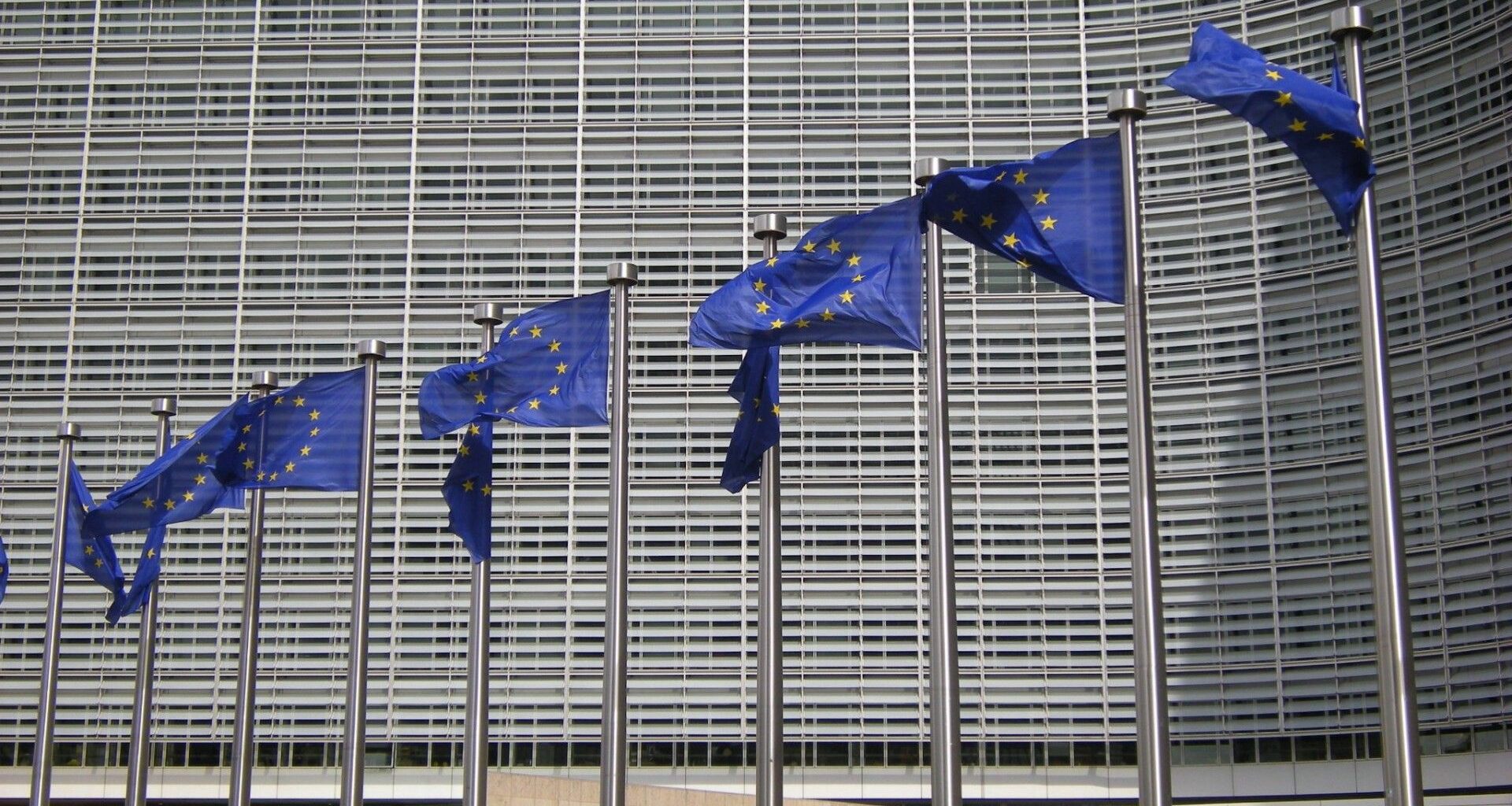
Photo. By Leandro Neumann Ciuffo – Edifício Berlaymont, CC BY 2.0, https://commons.wikimedia.org/w/index.php?curid=28378256
The 2026 EU budget, adopted by the European Parliament, totals €192.8 billion in commitments and €190.1 billion in payments is becoming one of the most important financial documents in recent years for European security.
In the face of rising geopolitical tensions, the protracted war in Ukraine, and threats to critical infrastructure, EU institutions have given next year’s budget a significantly more strategic character. Negotiations between the European Commission and MEPs resulted in an increase of over €370 million in the initial proposal, a move also highlighted in official announcements from the EU institutions.
Increased funding for security and defence
While economic competitiveness and scientific research remain the budget’s main priorities, the component for security and strategic resilience has been significantly expanded. The focus has shifted to activities aimed at developing critical technologies and defence capabilities, strengthening the European arms industry and reducing dependence on non-EU suppliers. Additional funding also covers transport and energy infrastructure, crucial for military mobility, particularly in Central and Eastern Europe. At the same time, funding for civil preparedness, crisis management, and border protection has been increased. In the face of growing hybrid threats, these areas are also gaining importance in defending and protecting the EU’s interests. As MEPs emphasize, the 2026 budget is intended to respond to periods of uncertainty and to strengthen European resilience broadly.
The geopolitical context and strategic importance of the budget
The new budget was developed amid a growing conviction that European security requires more decisive and consistent action than previous political declarations. The war raging just beyond the EU’s eastern border, instability in the Black Sea region, and migratory pressures in the south are increasingly perceived as realities that EU financial planning must adapt to. In this context, increasing spending on defence projects and dual-use technologies is no longer an optional initiative, but rather an element of building European strategic autonomy. At the same time, the budget provides a significant reserve of flexibility that can be activated in the event of new crises. This aspect, also emphasized by the EU Council, demonstrates that EU institutions are preparing to respond to unpredictable challenges, both military and hybrid.
Importance for Poland
For countries like Poland, the 2026 budget offers extensive opportunities in defence modernization, the expansion of military-critical infrastructure, and support for security technologies. Increased funding for research and innovation creates real space for development in the European defence technology sector, including Poland’s, especially since EU programs often promote industrial cooperation and cross-border projects. From a Polish perspective, investments in transportation and energy infrastructure may prove particularly important, as they directly affect the ability to deploy troops and resources to NATO’s eastern flank rapidly. Funds for external border protection and the strengthening of crisis management systems are equally important, addressing the region’s real security challenges.
Conclusions and future prospects
While the 2026 EU budget represents a significant step towards strengthening security and strategic autonomy, its scale remains limited given Europe’s real defence needs. Even with increased spending, the EU cannot replace national investments in armed forces modernization or the purchase of modern weaponry. Nevertheless, the new budget sends a clear political signal. EU institutions understand the need to accelerate actions in the area of security and crisis preparedness. For Poland, this means that in the coming years we can expect further strengthening of defence cooperation, the European pillar of armed forces, and the modernization of critical infrastructure.