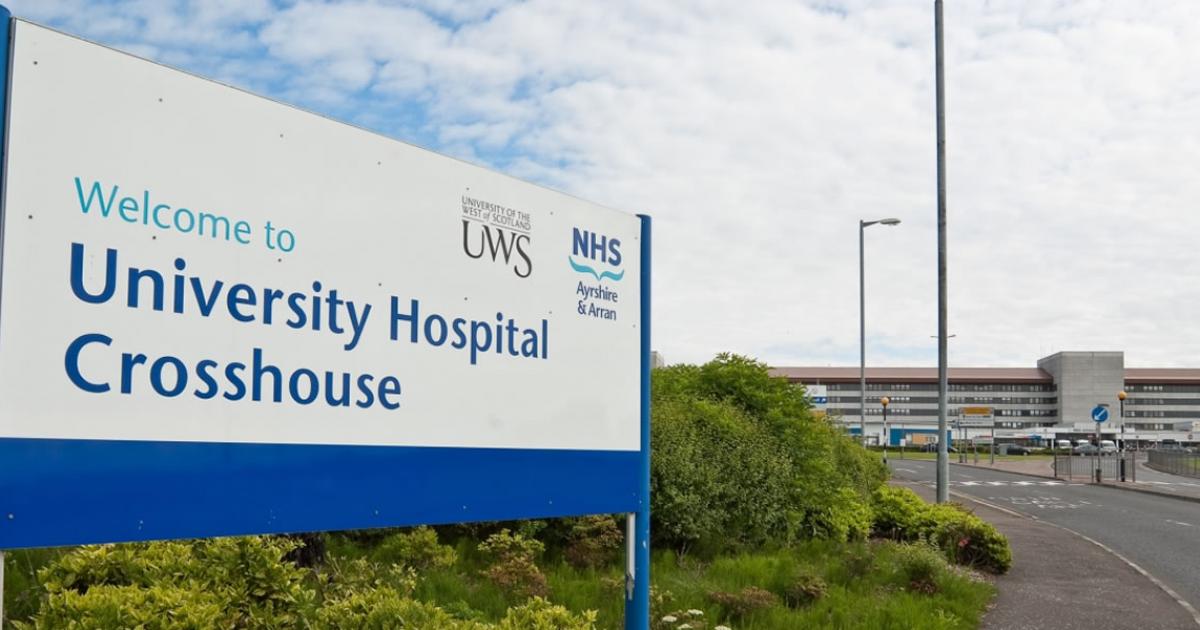
Some beds were placed in corridors while people waited to be admitted, with others standing or sitting for long periods due to the strain.
NHS Ayrshire & Arran said an increase in flu and other respiratory infections in recent weeks had led to an increase in admissions.
Read More:
Confirmed cases of flu also trigger additional measures ranging from isolation to patients with the same pathogen being place in the same area with distancing in place, depending on capacity.
John Swinney told MSPs at First Minister’s Questions earlier this month that the Chief Medical Officer has warned him the flu season will be “particularly challenging” this year and could see services struggling over the winter months.
NHS performance in recent years has consistently worsened during the winter, and the UK as a whole could be facing its worst flu season in years, with early and unusually high flu activity reported in Scotland, especially among young children.
In its latest report published this week, Public Health Scotland said: “Influenza levels continued to rise in Scotland in week 47, with a sharp rise in laboratory-confirmed cases (from 555 to 805) and hospital admissions (279 to 391), and higher test positivity (from 11.0% to 15.8%). All age groups are now affected at levels not previously seen this time of year.”
Last year more than 6,500 adults in Scotland were admitted to hospital with flu, with £20m allocated for health board initiatives this winter to increase social care capacity and relieve pressure on acute services.
Jacqueline Nicol, NHS Ayrshire & Arran director of site operations said: “In line with other health boards across Scotland, Ayrshire and Arran has seen a significant increase in cases of viral respiratory infections including Influenza in recent weeks, both in the community and hospital settings. This is contributing to increased occupancy levels at our acute sites.
“Our staff implement additional infection control measures for confirmed flu patients within hospital, as required, which has led to increased waits for some patients who require to be admitted to a ward.
“Unfortunately, this has resulted in patients staying in the assessment department longer than we would wish. All patients are clinically assessed for suitability to sit in chairs and patients who require trolleys or beds are prioritised.
“We are fully committed to ensure that those with emergency and urgent needs are treated as quickly as possible, alongside those patients who have been waiting for the longest period.”