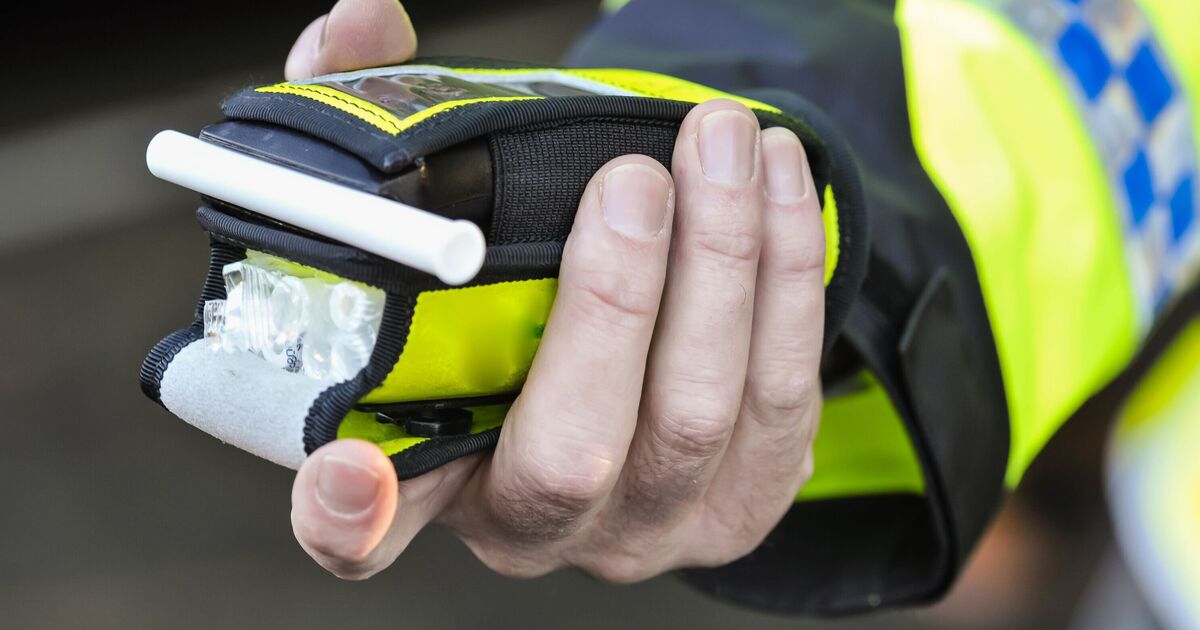
Luton has the highest average number of drink-driving penalty points in Britain, new data reveal, as the Government prepares to consult on cutting England’s legal alcohol limit to match Scotland’s tougher regime. Drivers in the Bedfordshire town accumulate an average of 3.31 drink-driving-related points each, according to analysis of millions of insurance quotes.
Carlisle (2.87 points) and Torquay (2.64) follow, with Norwich, Dartford and Wakefield also featuring in the top six. A separate ranking of average convictions per driver places the north-west London borough of Harrow top with 1.59 offences, followed by Carlisle and Sunderland (both 1.47).
Carlisle and Sunderland are the only places to appear in the top tier of both lists.
The figures emerged as interest in “new drink driving limit” queries has surged in the past three months, triggered by reports that ministers are examining a reduction from the current 80mg of alcohol per 100ml of blood (35 micrograms per 100ml of breath) to 50mg/100ml – the limit introduced in Scotland in 2014.
If adopted in England and Wales, the change would align the law with most of Europe and mean that, for many adults, a single pint of medium-strength beer or a small glass of wine could take them over the legal threshold.
A MoneySuperMarket survey of 2,000 UK drivers found only one in four believe lowering the limit would reduce drink-drive offences, suggesting widespread scepticism about the policy’s effectiveness.
Ms Hempsted said: “Any proposals to reduce the legal alcohol limit should remind drivers that even small amounts impair judgement. The safest approach is zero alcohol if you’re driving.”
Ms Hempsted said: “A drink-driving conviction can also have a serious financial impact on top of legal consequences.
“Insurers view these offences as high-risk, which means premiums can rise significantly, and some providers may refuse cover altogether.”
Convicted drivers face a minimum 12-month ban, unlimited fines and, in the most serious cases, resulting in death, life imprisonment.
The Department for Transport has confirmed it is “considering options” on the limit but has not set a timetable for consultation. Road safety groups have long campaigned for the change, citing evidence of a decline in drink-drive casualties in Scotland after 2014.
However, police and licensing bodies argue that enforcement capacity and rural transport shortages remain bigger issues in many areas.
The MoneySuperMarket data, drawn from internal records and a Censuswide survey conducted from October 17-20, 2025, highlight persistent regional hotspots despite an overall decline in drink-drive convictions over the past decade.
Ms Hempsted said: “Whether the limit changes or not, the message is simple. If you’re drinking, don’t drive.”