Scotland’s cash-strapped NHS is under fire for spending hundreds of thousands of pounds hiring professional actors to pretend to be patients.
The Scottish Mail on Sunday can reveal that a body called NHS Education for Scotland is setting aside an astonishing £360,000 to pay actors and role-players to impersonate people with illnesses and medical conditions.
The body claims the fake patients have a vital role to play in training doctors and nurses.
But at a time when 850,000 people in Scotland are currently on a waiting list for NHS treatment, including diagnostic tests, critics said spending cash on actors was a waste of precious resources.
Meanwhile the health service is facing dire warnings over its financial future.
And Callum McGoldrick, investigations manager at the TaxPayers’ Alliance campaign group said: ‘Spending more than £300,000 on professional actors to play patients while more than half a million Scots sit on NHS waiting lists is completely backwards.
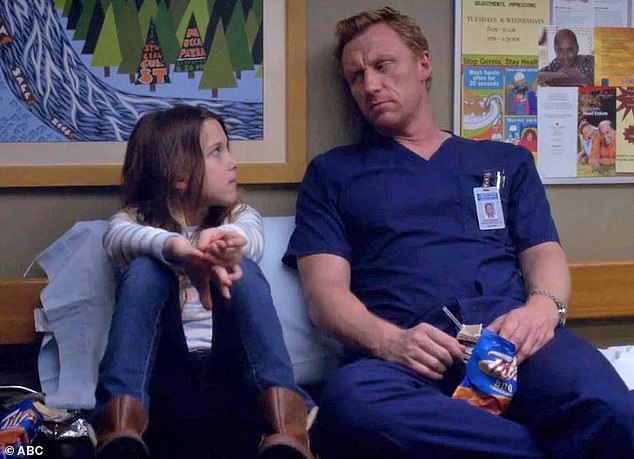
Actors like Scots star Kevin McKidd, above, often play medical roles on TV but paying them to pretend to be patients for the NHS is a costly practise that has come under fire
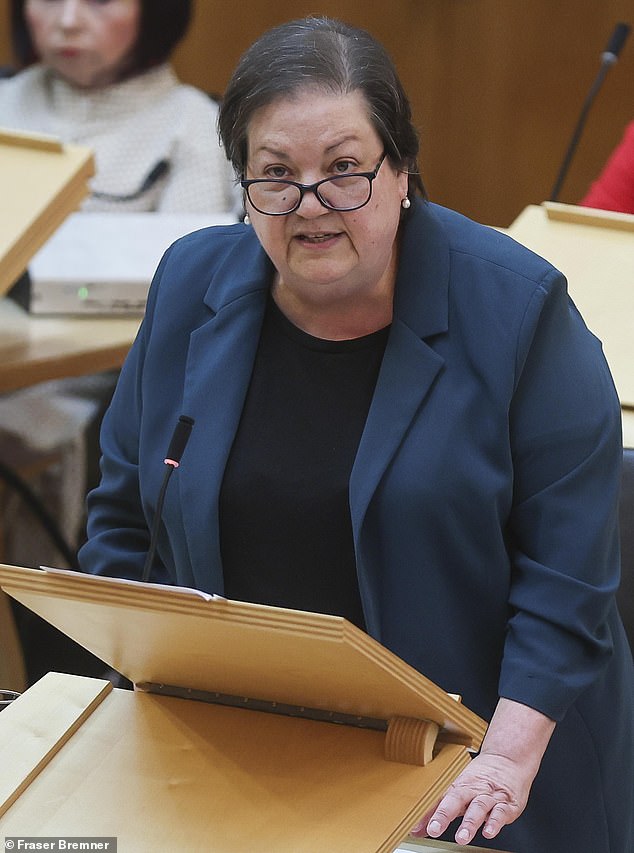
Scottish Labour MSP Jackie Baillie said every penny of public money should be ‘spent wisely’
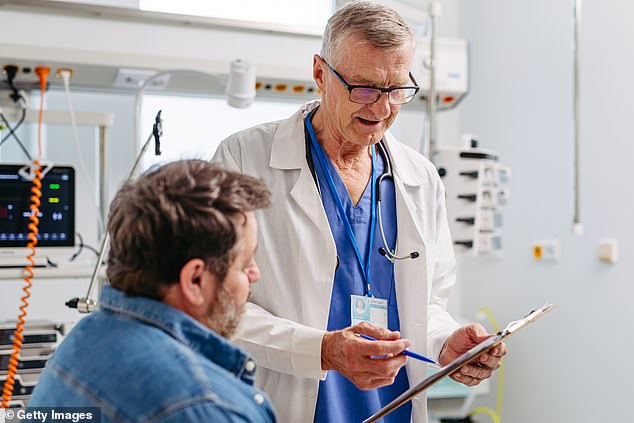
The actors are pretending to be ill in training exercises. Picture posed by models
‘The health service is crying out for more doctors, nurses and actual treatment capacity, not paid performers pretending to be ill in training exercises.’
The group argued that if fake patients are needed for training the NHS should rely on staff or volunteers from among the hundreds of thousand of real patients awaiting treatment.
Mr McGoldrick also said it was ridiculous that the NHS budget for actors was high enough to recruit stars from big-budget TV dramas.
He added: ‘Instead of hiring the cast of Casualty, the money should be redirected into frontline care.’
Scottish Labour Health spokesperson Jackie Baillie said: ‘At a time when frontline NHS services are stretched to breaking point, every penny of public money needs to be spent wisely.
‘It is farcical that hundreds of thousands of pounds is being spent hiring actors to play fake patients while real patients languish on waiting lists.
‘The SNP must ensure that NHS NES is making good use of taxpayer money while providing NHS workers with the training they need.’
NHS Education for Scotland (NES) receives a budget of around £600m a year to provide education, training and workforce development for the Scottish NHS.
Newly-published documents show the body has just set aside £300,000 plus VAT for ‘actor services’.
A contract explains NES wants ‘to procure the services of agencies to provide actors for simulation to enhance the training and educational experiences for the health and social care workforce across Scotland.’
Three separate companies have now been approved to supply fake patients.
Professional Role Players, based in London, claims to provide ‘Roleplay That Makes a Difference’.
Its website states: ‘Our highly skilled medical role players bring realism, empathy, and nuance to every session, helping participants apply new skills immediately both in and beyond the classroom.
‘Professionally trained actors work alongside specialist trainers to bring your workshops to life. With unparalleled experience in medical communication and behavioural scenarios, they create a safe, supportive space where learners can practice, reflect, and grow.
‘Whether working from pre-written scripts or improvising in-the-moment, our role players are flexible, responsive, and deeply attuned to your training objectives.’
Glasgow-based Birdsong Communication Skills describes itself as ‘founded and led by professional actors’.
Its website states: ‘We provide trained “Simulated Patients” for immersive communication skills training, with tailored programs and workshops for educational institutions, healthcare organisations, businesses and individuals.’
The third company providing actors for NES is Glasgow-based Interact Roleplay, which supplies ‘trained actors for commercial role play in both training and assessment environments.’
Earlier this month Scotland’s spending watchdog reported that one Scottish health board faces ‘unprecedented’ financial challenges and another must redesign its health and social care system to balance the books.
Auditor General Stephen Boyle said there was ‘no evidence that NHS Ayrshire and Arran can achieve financial sustainability’ after it needed a £51.4m loan in 2024/25 to break even.
His report said the health board was facing a deficit of £33.1m this year and does not have a clear plan for achieving financial sustainability.
A separate report on NHS Grampian warned that a return to financial balance is unlikely without ‘a significant redesign’ of its health and social care system.
At the end of last year the auditor also warned that the finances of the entire Scottish NHS were ‘unsustainable’.
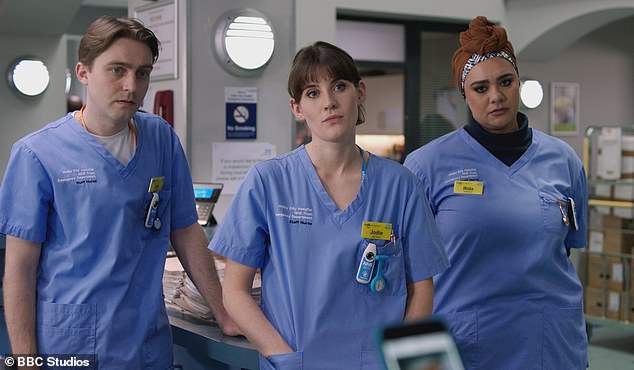
Critics have ridiculed the situation, likening it to hiring the cast of Casualty
However, NHS Education for Scotland defended hiring professional actors from the health service budget.
A spokesman said: ‘We want our doctors, nurses and professionals from all areas to be able to practice their skills in safe learning environment before they put them into practice in real life. Part of this is learning how to diagnose and treat patients, who can often be in distress.
‘Simulation exercises are an accepted and important part of modern training. They can involve computer-based simulators, physical simulators, or actors playing the role of a patient.
‘When we are teaching how to engage with patients, we often need professionals who can follow detailed scripts that reflect the real-life illness that patients experience.
‘This approach ensures that learners not only develop essential clinical skills but also demonstrate their ability to manage challenging situations that they might face in real life.’