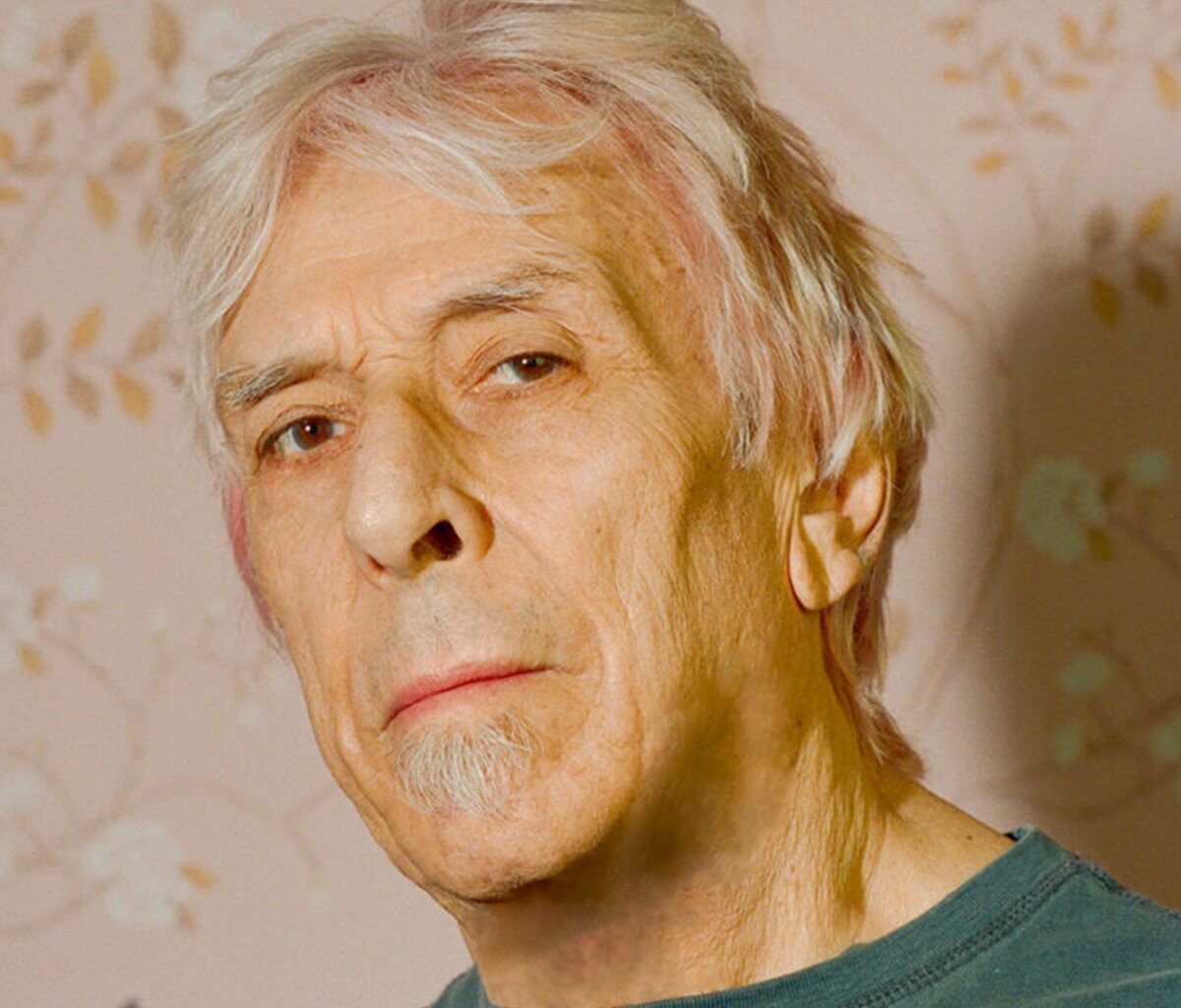
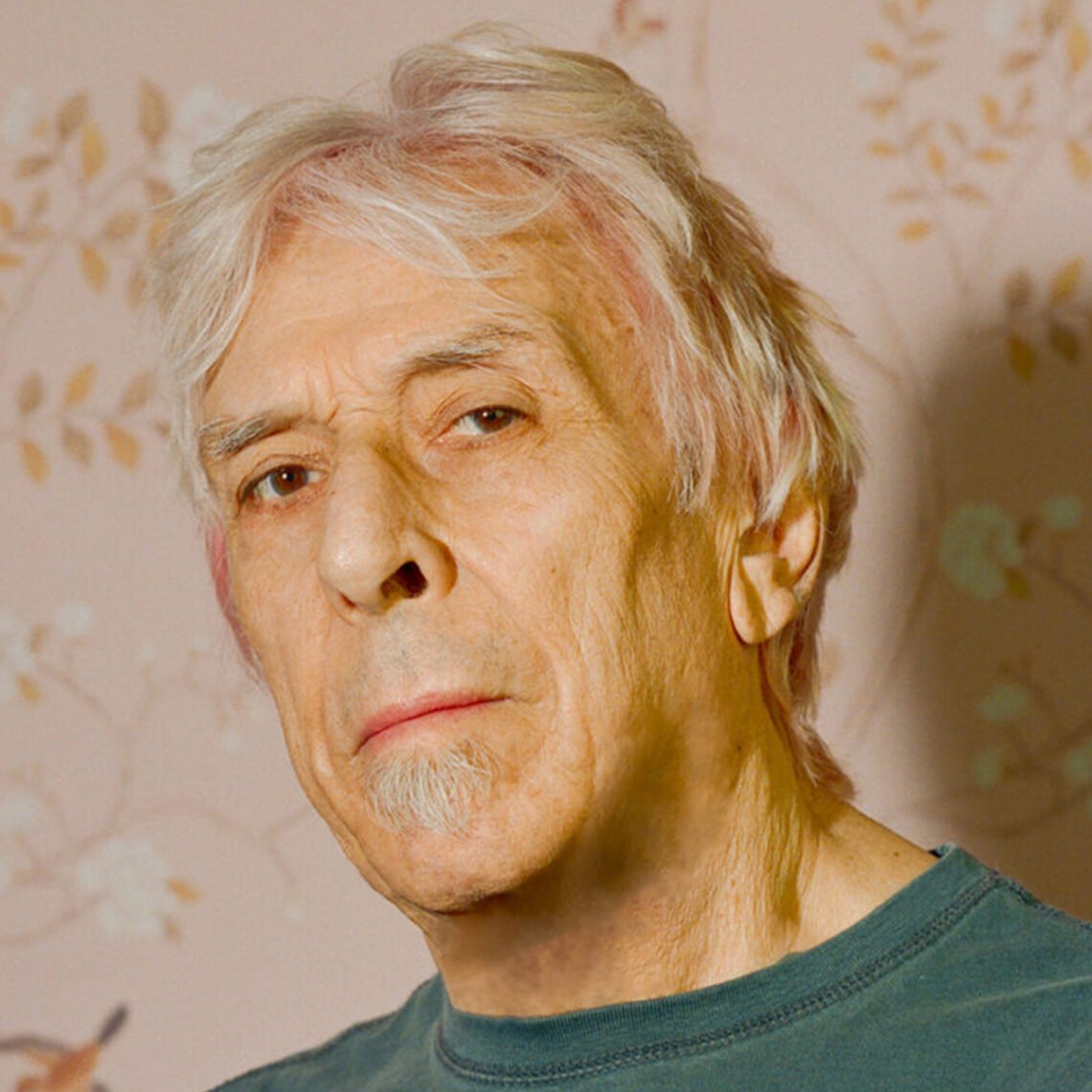
(Credits: Madeline McManus)
Sat 29 November 2025 15:00, UK
Born in Wales in 1942, growing up, John Cale only spoke Welsh, barely able to communicate with his English father, and so instead began expanding his musical language in classical, when his mother taught him how to play the piano.
A proficiency on the piano translated to the viola, and while Cale was still in grammar school, he joined an orchestra, going on to enrol in music studies at Goldsmith’s, winning a summer scholarship to Tanglewood, a classical music academy in Massachusetts. Concluding the programme in August 1963, Cale traded his plane ticket back to London for cash and headed south for New York to work under the tutelage of American composer John Cage.
Cale immersed himself in the multidisciplinary art scene bubbling underground in downtown Manhattan, suddenly surrounded by performers of the avant-garde: artists, actors, filmmakers, writers, designers and more. Spending his leisure time and eventually moving into 56 Ludlow, a sort of artists’ colony housed in a dilapidated apartment complex, Cale would meet and begin working with Lou Reed.
As quoted in Will Hermes’ biography, Lou Reed: The King of New York, Cale says, “My first impressions of Lou were of a high-strung, intelligent, fragile college kid in a polo neck sweater, rumpled jeans and loafers. He had been around and was bruised, trembling, quiet and insecure.” In contrast, Cale resembled your typical beatnik, sporting a goatee, worn denim and secondhand coats, which led to the young musicians bonding over their mental health struggles, their guarded nature and similar musical aspirations.
Reed shocked Cale with his lyricism, sharing with him early iterations of ‘Heroin’ and ‘I’m Waiting for the Man’ that showed an early literary sensibility translated into poetry about life’s darker undercurrent. “He had such an ease with language,” Cale recalled, as well as an uncanny talent for capturing the character of their city and the people they encountered with a blunt mirror. Coupled with Cale’s effortless musicianship, their potential was boundless, though their differences outweighed all. As he described in his memoir, What’s Welsh for Zen, “The only thing we had in common were drugs and an obsession with risk-taking. That was the raison d’être for the Velvet Underground”.
 Lou Reed. (Credits: Far Out / Album Cover)
As far as music was concerned, the Velvets’ existence was, despite early creative tensions, founded on Cale’s prolific instrumentation, Reed’s provocative songwriting and the art scene that spawned their bandmates Sterling Morrison, Maureen ‘Moe’ Tucker and later, Nico, and their champions, including artists Barbara Rubin, Gerard Malanga and Andy Warhol. Still, within the influx of creativity that elevated the Velvets’ esoteric rock ‘n’ roll into its own artistic realm was Cale and Reed’s shared fandom for musicians who gave the first push towards boundaries that the pair would completely eradicate.
Speaking on BBC’s radio show Desert Island Discs, prompted to choose eight songs that he would pack in his kit bag, should he be stranded on said island, Cale cited the music that set him on his versatile path as a musician, and one was The Beatles’ record, ‘She Said, She Said’.
Appearing on The Beatles’ 1966 album Revolver, ‘She Said, She Said’ was inspired by actor Peter Fonda’s behaviour while tripping on LSD with members of the Fab Four and The Byrds. While credited to the John Lennon-Paul McCartney duo, it was actually written by Lennon with George Harrison’s assistance. Infamously, Macca walked out of the song’s studio session after an argument over its arrangement; thus, it is one of the few Beatles songs not to feature him in any capacity.
Cale, in turn, resonated with the song’s evocation of madness. “I remember we were putting the band together in New York,” he said, “This was one of the darker songs, ‘I know what it’s like to be dead’. And it surprised me because I thought it was more of a Lennonesque than a McCartney frame of mind.”
Listening to ‘She Said, She Said,’ enraptured by its strange, psychedelic world, it is easy to see where Cale and Reed would find themselves fascinated, spurred to personify their own hedonistic, drug-induced tales with the Velvets.
Related Topics
The Far Out Beatles Newsletter
All the latest stories about The Beatles from the independent voice of culture.
Straight to your inbox.