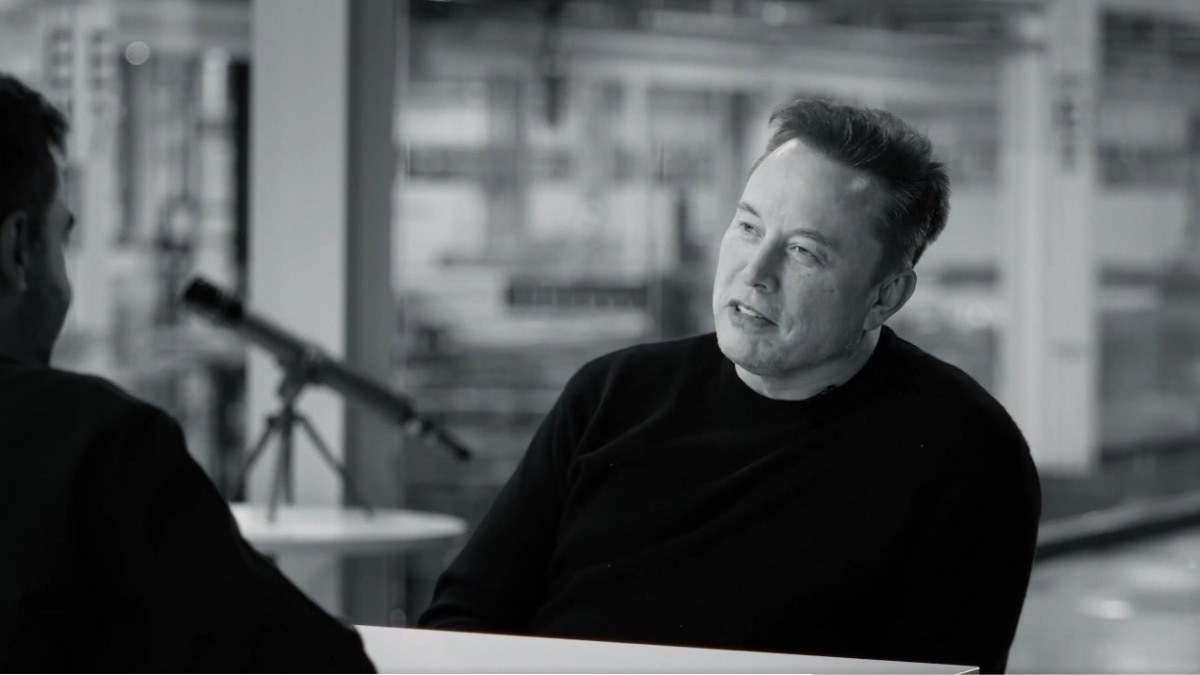
Speaking to investor and entrepreneur Nikhil Kamath on the People of WTF podcast, Tesla CEO Elon Musk offered a simple but powerful message for India’s rising generation of founders: “Be a net contributor to society. Make more than you take.”
In a country where startup ambition is exploding and venture capital money continues to chase bold bets, Musk’s advice lands as a quiet counter to the hyper-valuation era. His point was unmistakable — true entrepreneurship isn’t measured by funding rounds or headlines, but by building something that meaningfully improves the world.
“Make more than you take,” Musk repeated, framing it as the north star he believes every builder should adopt. In his view, the entrepreneurs who will define the next decade are those who can deliver real, durable value — products and services that solve genuine problems, not just chase attention or financial engineering.
Musk’s comment came as Kamath contextualised the discussion for an audience largely made up of wannabe entrepreneurs in India — ambitious, risk-taking, and hungry to build. Throughout the conversation, Kamath positioned Musk’s answers as lessons for young founders navigating a rapidly changing economic landscape.
India, now home to one of the world’s most vibrant startup ecosystems, is at a critical moment. Millions of young Indians see entrepreneurship not just as an aspiration but as a viable career path. Yet, amid unicorn races and funding frenzies, Musk’s values-first philosophy stands out.
He argued that the pursuit of money alone is misguided. Wealth, he said, is a by-product — not the goal — of creating value. The companies that endure, the ones that matter, are built by people obsessed with solving problems, not those calculating exits.
The message is strikingly consistent with Musk’s own career, where each venture — from Tesla to SpaceX to xAI — has chased audacious missions rather than cosmetic metrics. That ethos resonated strongly in the conversation, especially as Musk reflected on what it truly means to build.
For young Indian entrepreneurs, his advice serves both as encouragement and a reality check. Entrepreneurship, he implied, is not a shortcut to success but a commitment to creating more than you consume, to leave behind something of worth. And in a country of 1.4 billion people, with immense untapped markets and unsolved problems, the opportunity to “make more than you take” has never been greater.
As Kamath noted while framing the discussion, India’s next generation is eager to take chances. Musk’s reminder ensures they also take responsibility.