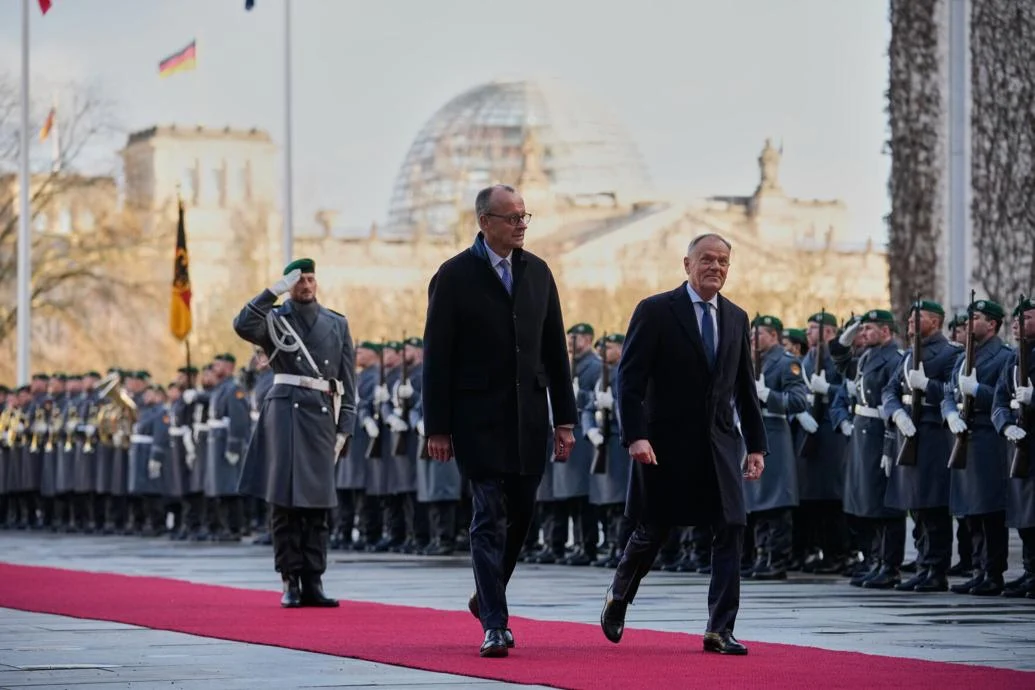
Poland has moved to accelerate the recovery of cultural treasures looted during the Second World War, Poland’s Minister of Culture Marta Cienkowska confirmed on Monday, Polish newspaper “Rzeczpospolita” reported. She said that Warsaw has reopened high-level talks with Germany and will submit formal restitution requests this year. The effort follows renewed political engagement between the two countries and evidence that several missing Polish works had resurfaced in the Berlin State Library.
Cienkowska told Rzeczpospolita that the shift is a turning point. “We have repaired relations with our neighbors, allowing us not only to resume dialogue but to take the initiative in restitution matters,” she said. For the first time, senior German federal officials have entered the process, giving Poland stronger leverage and quicker channels to negotiate the return of specific objects.

Poland’s Ministry of Culture is now verifying how wartime-looted works ended up in Berlin’s collections. Items identified for restitution include the manuscript Gaude Mater Polonia, documents and correspondence from the historic Zamoyski Library, and the handwritten diaries of writer Stefan Żeromski. Poland has already requested the return of several items, including the ring of King Sigismund I the Elder.
Poland lost more than 500,000 works of art during the war, and officials describe restitution as a long-term effort that remains far from complete. Cooperation among the culture ministry, museums, law enforcement agencies, and private citizens has helped recover nearly 800 objects so far. The country’s public database of wartime losses now lists around 70,000 items.
Scholars and heritage experts say Poland has reclaimed only a small share of what disappeared. They argue that the absence of a coherent strategy after 1989 and slow, cumbersome legal procedures have stalled recovery efforts for decades. The latest political opening, they note, could signal the most significant progress in years.