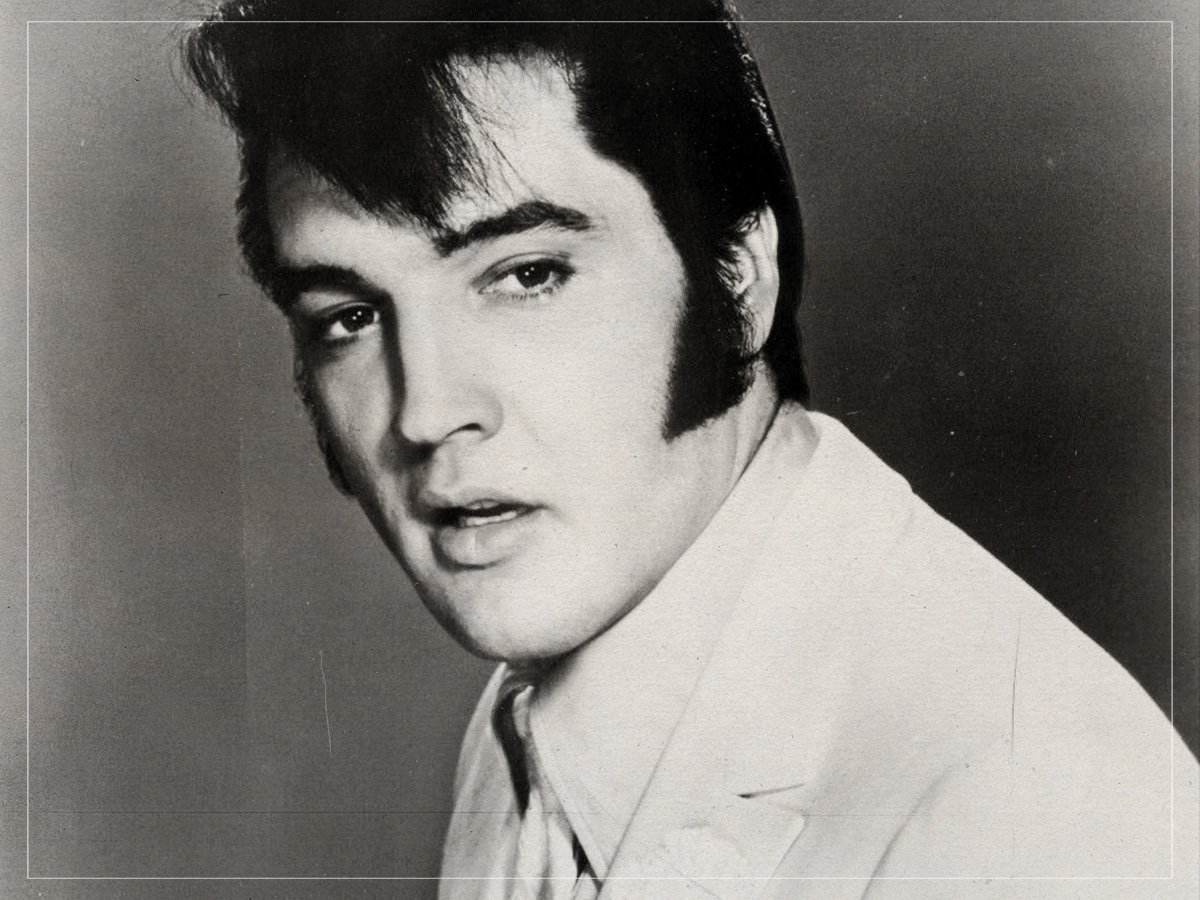
(Credits: Far Out / MGM)
Tue 2 December 2025 0:00, UK
Music and cinema have always been intertwined in ways where performers in one camp will often try their hand at entering the other, and a prominent early example of someone who transitioned from music into film is none other than Elvis Presley.
While he’s perhaps more celebrated for his exploits in the world of music, he took a lengthy sabbatical from releasing material in order to try his hand at acting on the silver screen, appearing in 31 films over the course of his career. For the majority of the 1960s, this became his primary focus, with the rate of his musical releases declining significantly during the period in order for him to channel all of his energy into a different kind of performance.
You’ve got to wonder exactly why he chose to walk away from music in this fashion, considering how maddingly popular he’d become throughout the course of the late 1950s. Perhaps it was a case of exhaustion from consistently working on recording material and touring, but maybe there was an element of him feeling as though he’d achieved everything he possibly could at this time, and that he needed a challenge to keep himself focused.
However, a large factor in Presley’s transition to film was down to the fact that he’d become such a star that his appearance anywhere in the world would have been easily marketable, and the demand for him to appear on the screen was so massive due to how much money having a name like his on board for a project would instantly be able to generate.
That being said, Presley had always been a passionate cinephile since the earliest years of his life, and while it’s evident that he was born to be on stage entertaining audiences, there was always a small part of him that had a hunger just to entertain in other manners, and marrying his love of film with his magnetic celebrity status was an easy way to achieve this alternative ambition.
This may have all been a very calculated and business-like approach to furthering Presley’s career and turning him into more of a versatile money-making machine, but it’s evident that Elvis himself was still eager to pursue this.
In 1970, after he’d made his grand return to music, he received invitation to the ‘Ten Outstanding Young Men of the Nation Awards’, and during his acceptance speech, he spoke about his childhood dreams of following both of these paths, but used this opportunity to express how he was always bound to be drawn back to music despite his passion for acting.
“When I was a child, ladies and gentlemen, I was a dreamer,” began his acceptance speech. “I read comic books, and I was the hero of the comic book. I saw movies, and I was the hero in the movie. So every dream I ever dreamed has come true a hundred times.”
He then went on to recite lyrics from Frank Sinatra’s ‘Without A Song’ in order to explain just how drawn to music he has always been. “I learned very early in life that ‘Without a song, the day would never end; without a song, a man ain’t got a friend; without a song, the road would never bend – without a song’. So I keep singing a song.”
He may have had hundreds of dreams about being ‘the hero’ in films, but regardless of which path he chose in his career, it was almost inevitable that he’d be seen as the star to his legions of fans.
Related Topics