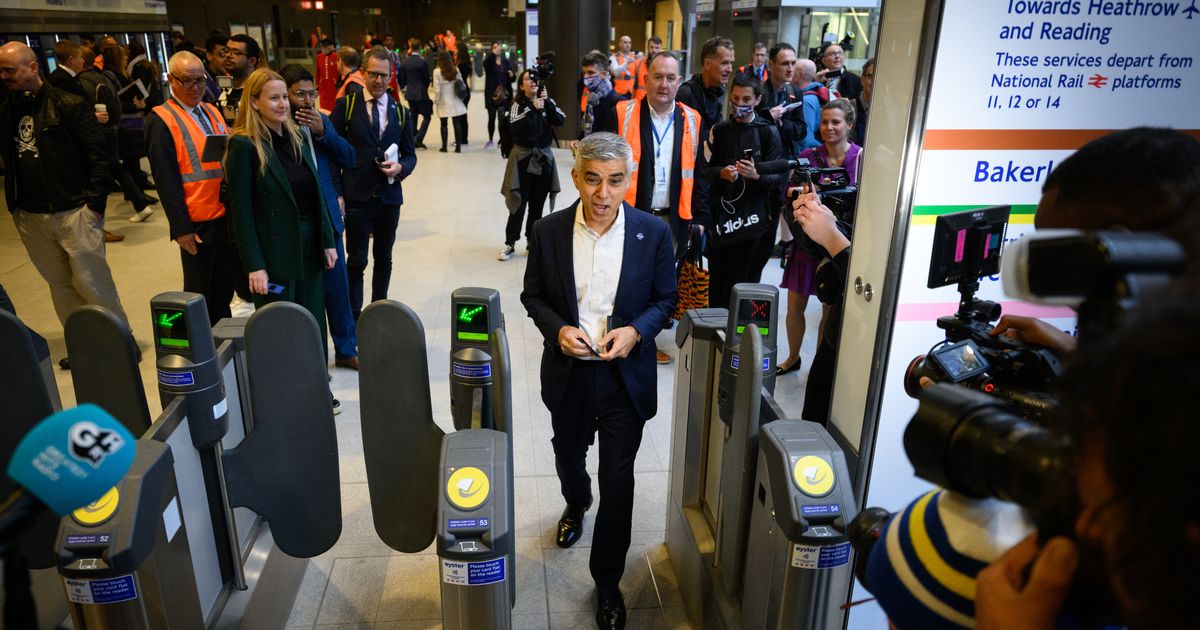
In a report, entitled ‘Mind the Funding Gap’, a cross-party committee also calls on the Mayor and TfL to restart the development of Crossrail 2Kumail Jaffer Democracy Reporter covering the Mayor of London and the Greater London Authority
00:05, 02 Dec 2025
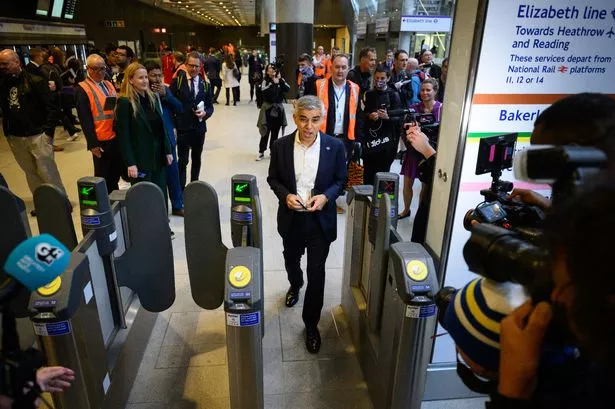 The mayor says the decision to keep fares as they are will help customers with the rising cost of living(Image: Leon Neal/Getty Images)
London could deliver major transport projects at half the cost if officials adopt planning and financing processes seen in other European nations, a City Hall report has said. The capital has seen a number of projects greenlighted in recent years, such as the Elizabeth Line, the Northern line Tube extension and the recent announcement of the DLR extension.
However, they are often more expensive to deliver than their continental counterparts, with, for example, the Jubilee line extension costing ten times as much per mile than a similar project with the Madrid metro. This has meant that ambitions from the Mayor of London and Transport for London (TfL) to build the Bakerloo Line extension and the West London Orbital have been put on hold.
In a new report, however, the London Assembly Budget and Performance Committee have suggested that planning and financing reforms, as well as a clear timeline for future projects, could help the capital deliver the transport infrastructure it needs.
In the report, entitled ‘Mind the Funding Gap’, the cross-party committee called on the Mayor and TfL to restart the development of Crossrail 2 – a new line linking national rail networks in Surrey and Hertfordshire through a new underground tunnel in central London – with a focus on how delivery costs can be minimised.
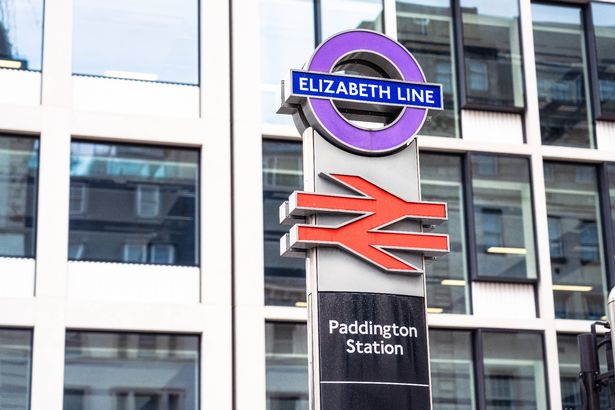 The Elizabeth Line was delivered in 2022, but Londoners could wait a lot longer for Crossrail 2(Image: georgeclerk via Getty Images)
They also ask City Hall to present a “clear pipeline” for transport developments up till 2040, as well as devising a new strategy for how to fund new infrastructure with private investment.
However, one of the primary conclusions of the report was that the capital needs to bring down its delivery costs or face more projects getting stuck at the planning stage.
The committee heard that the “low-cost and speedy approach” to developing the 35-mile extension to the metro system in Madrid meant the city paid just £2.1billion between 1995 and 1999.
 The Spanish capital was able to triple the length of its metro system in just 12 years(Image: Nano Calvo/VWPics/Universal Images Group via Getty Images)
This was down to concentrated power at the city level in the Spanish capital, “simplified and standardised station design, and a pipeline of projects that enabled development of state capacity.”
While the same exact approach cannot be taken in London due to the Spanish city’s lower population density, railway engineer Gareth Dennis told the committee that costs were also high because ” the wider economy is that much more fragmented than in Spain,” adding: “We have that many more interfaces that require lawyers, that require commercial managers, and that adds enormous amounts of human resource costs before you get to building the thing in the ground.”
Simply put, prolonged development and consultation periods, bureaucratic environmental assessments and a lack of planning officials increase both the time and cost of major infrastructure projects. The UK also relies on a “higher number of smaller firms” for building, according to the report, further increasing cost.
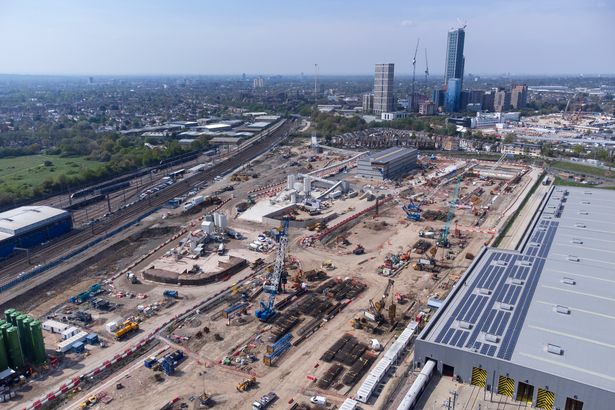 Britain’s new high-speed railway project, HS2, has been shrouded in controversy since work began, with lengthy delays increasing the cost of the project(Image: John Lamb Copyright/Getty Images)
Reforming this would be revolutionary for London, according to Ben Hopkinson, Head of Housing and Infrastructure at the Centre for Policy Studies think-tank.
He told the committee: “We can totally beat a 20 per cent cost reduction and there are examples out there and we can learn from them. We just need to actually put it into practice.
“If we got closer to European average cost delivery, it would be about 50 per cent. We are more than double.
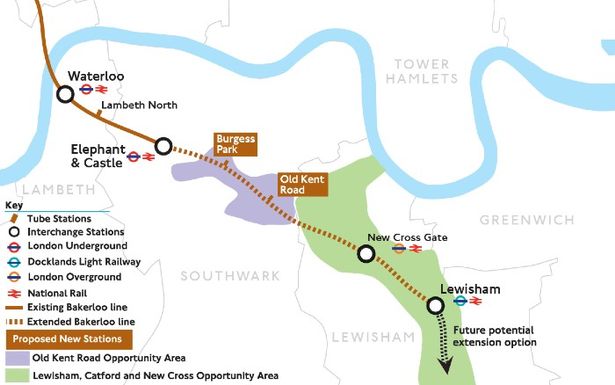 Projects such as the Bakerloo Line extension would become far easier after planning reforms, the London Assembly report said(Image: TfL)
“That is not even just looking at best-in-class delivery, whether it be German trams or the Spanish metro. Fifty per cent would be very reasonable.”
Committee chairman Neil Garratt said: “Delivering new transport infrastructure has wide-reaching benefits for London, Londoners, and the wider country, yet challenges remain with funding and spiralling development costs.
“We have seen some highly successful schemes delivered in recent years, but have now seen a number of schemes stall for varying reasons.
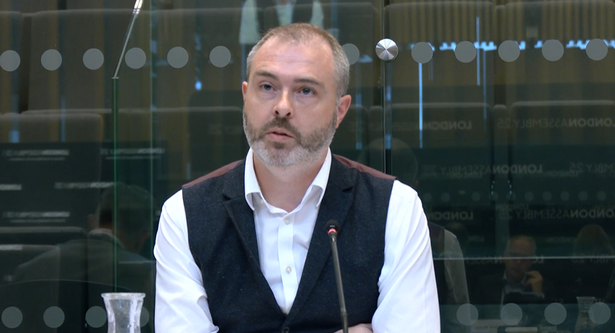 Budget and Performance Committee chair Neil Garratt called on the Mayor to implement the reforms on delivering transport infrastructure
“Through our investigation, we sought to understand how major cities in other countries are delivering large scale transport infrastructure projects, at a fraction of the cost we seem to face here in London.
“We heard evidence that shows London could deliver major infrastructure projects between 20 and 50 per cent cheaper if we adopted some of the planning and financing processes in neighbouring countries.
“Ensuring London has a pipeline of infrastructure improvements highlights London’s appeal as a place for people to live, work and invest, and we all want to see our city thrive.
“We are urging the Mayor to implement our cross-party recommendations, which could help London deliver the transport network the city wants and needs.”
TfL and the Department for Transport were contacted for comment.
Sign up for our London Underground newsletter for the latest travel updates to make your commute easier, plus a weekly fix of Tube trivia! Sign up HERE.