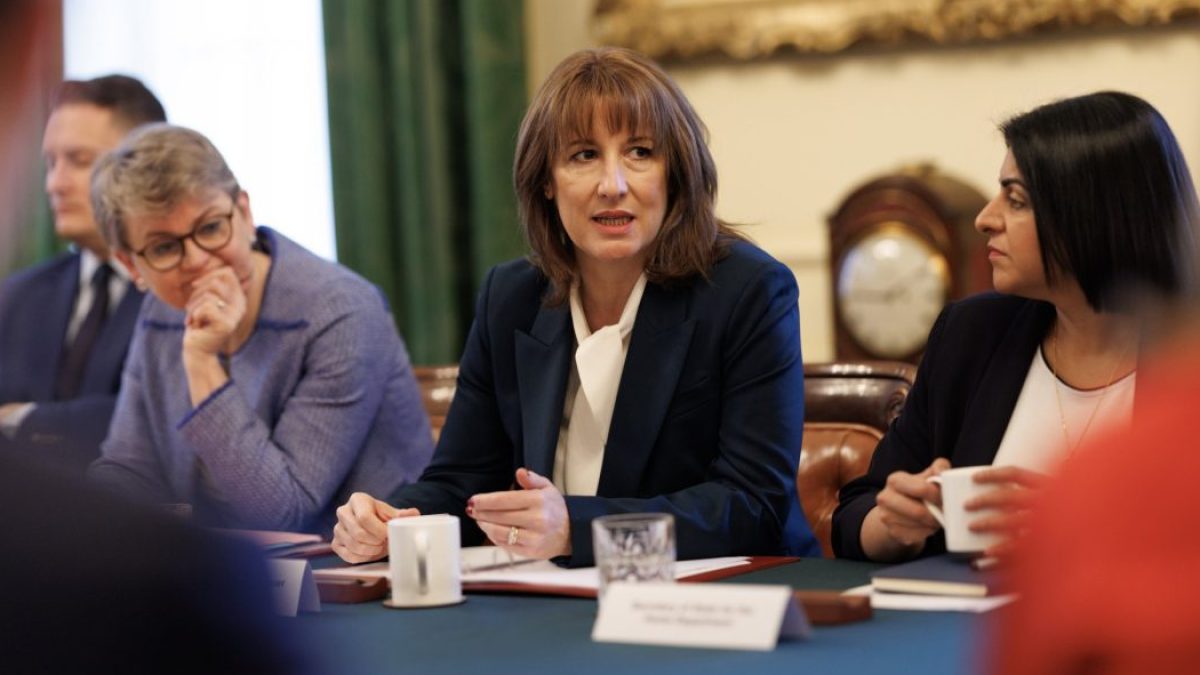
Labour is struggling to recover from winter fuel payment cuts, which many think damaged the relationship older voters had with the Government
When Chancellor Rachel Reeves froze the tax thresholds for another three years until 2031 in last week’s Budget, it didn’t take long for finance experts to point out that this meant state pensioners will pay tax from 2027.
Only they will not – because a day later, Reeves said that the Treasury would work out a mechanism to exempt them.
This is obviously good news for pensioners. With the state pension rising to £12,547.60 a year from next April, it will be just below the personal allowance of £12,570. With the triple lock set to stay until at least the next election – due in 2029 – the state pension was sure to go beyond this threshold of when people start paying tax.
New FeatureIn ShortQuick Stories. Same trusted journalism.
With this exemption and the triple lock – which raises pensions by the higher of inflation, wage earnings or 2.5 per cent – guaranteed until the end of this Parliament, you would think pensioners would have welcomed the Budget. But they did not.
Polling carried out on behalf of The i Paper by BMG Research suggested this group are among the cohorts most likely to hold a negative view of the Budget. Two-thirds (66 per cent) of those aged 55+ and 71 per cent of retirees had a dim view of Reeves’s fiscal statement.
Budget sweeteners for pensioners
One issue puzzling MPs is why more was not made of the exemption for pensioners; why not announce it on the day, rather than let confusion reign for 24 hours?
It felt like a missed opportunity to parrot another example of how this Labour Government is bending over backwards to protect the incomes of retirees.
There were other goodies for pensioners.
The choice to maintain the state pension triple lock will cost £12bn more per year, rising to an estimated £15bn by 2030.
Wealthier pensioners who are able to save significant sums of money were exempt from widely trailed cash ISA restrictions, which will see all other savers’ limit cut from £20,000 to £12,000.
The over-65s can continue to save an extra £8,000 a year tax-free.
And this week, the Pension Schemes Bill, which will improve the retirement incomes of millions by boosting the savings of schemes that have been eroded by inflation, will be back in the Commons for its third reading.
Yet, despite policy after policy seemingly protecting the incomes of pensioners, there seems to be a persistent sense of disappointment directed at this Government from older voters.
Winter Fuel cut destroyed ‘goodwill’
Does this Government have a problem reaching pensioners? Some Labour MPs think the row over winter fuel payments early on in this Government’s term burnt bridges that they will struggle to ever repair.
The Government initially tried to scrap the benefit, which helps to pay for heating costs, for all but the poorest pensioners. But Reeves was eventually forced to backtrack and reinstated the payment, worth up to £300, for those with an income below £35,000.
The pension vote is not one that has historically been the concern of Labour politicians – with the cohort generally considered Tory territory – but that is changing.
And Labour insiders now say that, despite the boost in pensioner living standards in recent years due to significant increases to the state pension, there are still many still struggling with rising living costs.
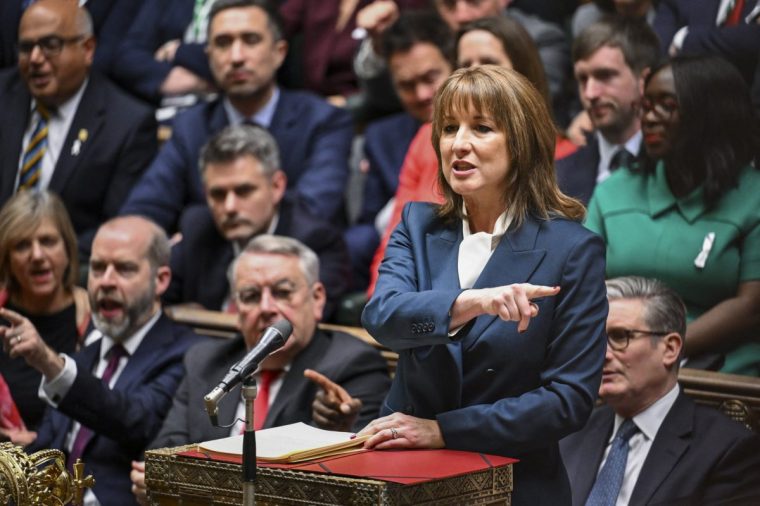 Reeves delivering the Budget on Wednesday (Photo: House of Commons/AFP/Getty)
Jon Trickett, MP for Normanton and Hemsworth, rebelled against the Government and voted against the winter fuel cut when it was first announced. He said this decision had destroyed any “goodwill” older voters had towards the Labour Government.
“There are many working-class pensioners in my constituency who struggle to get by, particularly in the cold winter months. They’re a generation of heroes who helped to rebuild the country after the war. We should respect them,” he told The i Paper.
“I voted against removing the winter fuel payment because it is a lifeline for many. The Labour Government burned a lot of goodwill with that policy and they must learn from their mistakes.”
Another Labour MP told The i Paper they are “absolutely concerned about the pension vote, to put it mildly”.
“Frankly, there’s a bit of me that thinks that ship’s sailed after the winter fuel catastrophe. In a seat like mine it’s a massive threat, and No 10 needs to think seriously about how to win their trust back,” the MP said.
Soon-to-retire also alienated
Seemingly not content with having spread ill-will among pensioners, Reeves now also faces the potential risk of alienating the “soon to retire” group of voters by announcing changes to the salary sacrifice scheme.
Under the changes, due in 2028, workers not in the public sector who pay more than £2,000 a year into a private pension must pay national insurance contributions on it.
The move could put people off saving and reduce the value of pensions for those who do.
Chris Hopkins, political research director at Savanta, said many in the group of voters coming toward the end of their working lives – perhaps with older children and aging parents to support – switched from Tory to Labour in 2024.
These so-called “switchers” could then be quick to move on to another party, such as Reform UK, in the next election if they feel the Government is not prioritising their needs. This could make them even harder to win back for Labour, he said.
In the general election, 34 per cent of 50- to 59-year-olds and 28 per cent of 60- to 69-year-olds voted Labour, YouGov analysis shows.
“Those voters are important – it was people in that age cohort that were probably most up in arms about the winter fuel cut and would likely be most up in arms about any triple lock change,” Hopkins said.
Labour not getting the credit
“Those aged between 50 and 60 may still have parents that are alive and they’ll be looking ahead to their own retirement and benefitting from those policies, so it’s a bit of a double whammy.”
He added: “Any plans from Labour to redesign where state support goes – for example away from the elderly and towards working people – will start to apply to those people less as their working years are numbered.”
But pensioners are a large cohort, another Labour MP pointed out, some wealthy, some not, and it is hard to appeal to them all.
Your next read
They said that they felt the party was not getting the credit it deserved for being “the only ones properly defending the triple lock when other parties are questioning the future of the state pension”.
But they admitted that the cohort is hard to reach because it is such a large group with vastly different priorities and financial realities.
“The reality is it is hard for any political party to talk to pensioners because they are such a broad cohort. There are those who have private pensions and who live comfortably with no mortgage and there are those with small private pots, or just receiving the state pension, who might be still renting and their incomes are eaten up by huge housing costs. That is a minority but they are still there,” the MP said.