
The deal will mean British pharma products imported into the US will not face tariffs, in return for the NHS spending more on medicines
NHS patients will benefit from greater access to drugs for a range of illnesses, including cancer and lung conditions, after the UK struck a pharmaceutical deal with the US.
The agreement will mean British pharmaceutical products imported into the US will not face tariffs, in return for the NHS spending more on medicines.
US import taxes on UK-made drugs and treatments will remain at 0 per cent for three years, while the UK Government has agreed to increase by 25 per cent the price threshold at which it deems new medicines to be too expensive.
New FeatureIn ShortQuick Stories. Same trusted journalism.
It is estimated this will see NHS spending on medicines surge from about 9.5 per cent of its budget to 12 per cent – and this is expected to cost taxpayers about £3bn.
It will be funded from money already allocated in the spending review and will not affect frontline services.
The deal is the first and only agreement the US has signed that delivers 0 per cent tariffs on pharma imports.
It comes after Donald Trump threatened to raise tariffs to as high as 100 per cent on branded drug imports, one of the UK’s biggest exports to the US.
It also follows an EU and US trade agreement in July, which established a 15 per cent tariff cap on EU imports, including pharmaceuticals.
Pharmacy leaders have raised concerns that this will hit NHS budgets and could have an impact on patient care.
However, the deal also means the National Institute for Health and Care Excellence (Nice), which approves the use of medicines and treatments in the UK, will be able to approve medicines previously declined for NHS use on cost-effectiveness grounds. This includes breakthrough cancer treatments, therapies for rare diseases, and innovative approaches to conditions that have long been difficult to treat.
Charities have welcomed news of the deal, including Sarah Sleet, CEO of charity Asthma + Lung UK, who said: “Raising the cost-effectiveness thresholds and updating Nice’s methods should make it easier for proven, high-value treatments to reach the people who need them most.
“We look forward to working with Government, the NHS and industry to ensure these changes translate into real improvements in care and quality of life for patients across the UK.”
Dan Knowles, CEO of Brain Tumour Research, said: “This new flexibility in the Nice cost-effectiveness model will bring our patients greater hope.
“An invitation to access clinical trials should be an expectation for all cancer patients and the increase in life sciences net spend sets us firmly on the route to achieving this.
“Our sincere hope is that this announcement takes us further along the collaborative pathway for Government, the pharmaceutical industry and patient advocacy groups to make a difference in the options and outcomes for the most important group of all – patients.”
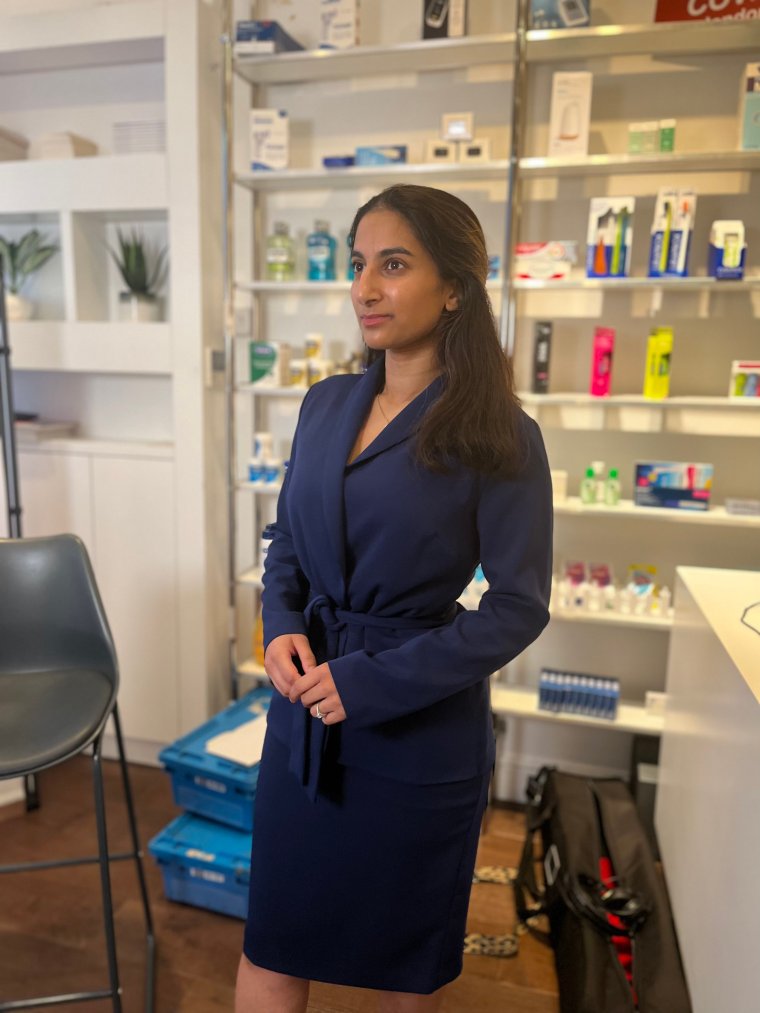 Pharmacist Thorrun Govind says the increase in spending on medicines could mean other areas of health care are impacted
Helen Dickens, chief support Officer at Breast Cancer Now, told The i Paper: “Today’s announcement of an increase to the cost-effectiveness threshold for medicines is a welcome step that could see more people getting access to vital life-extending treatments. For too long, cost-effectiveness thresholds have jeopardised the approval of some groundbreaking new medicines.
“We’ve been urgently calling for people living with incurable secondary breast cancer to get access to the drugs they so desperately need and deserve. These changes must translate to increased access to new medicines for people living with this disease.”
Thorrun Govind, a pharmacist and former Royal Pharmaceutical Society chair, told The i Paper she fears the increase in spending on medicines means other areas of health care may be impacted.
She said: “This is great for patients – but the NHS budget pressure increases and there is no more money. An increase in funding could lead to trade-offs in other areas of healthcare.
“You are going to have more money for drugs that are a greater cost, but you do not have the money for other things.”
Business and Trade Secretary Peter Kyle believes the deal “guarantees that UK pharmaceutical exports – worth at least £5bn a year – will enter the US tariff-free”.
He also suggested the move would “protect jobs, boost investment and pave the way for the UK to become a global hub for life sciences”.
The British pharmaceutical industry is struggling due to a lack of investment in the sector, in part due to a row between firms that make drugs and the Government over what portion of money from sales is given to the NHS. Despite this, several major pharmaceutical firms with British links announced billion-pound investments in the US medical industry this year.
In September, UK-based pharmaceutical firm GSK plc pledged to invest $30bn (£22bn) in research and manufacturing in the US over the next five years. In July, British-Swedish firm AstraZeneca said it has committed to a $50bn (just under £39bn) investment in US research and manufacturing by 2030.
Today, AstraZeneca pledged $2bn(£1.5bn) investment for expanding biologics and clinical drug production at two manufacturing facilities in Maryland.
Ms Govind said Kyle’s forecast for a boost to investment in the UK’s industry was too optimistic given its current woes.
She said: “What about investment in the UK? I don’t think his statement properly addresses the challenges pharma in the UK is facing.
“If research and development drugs migrate from the UK to the US, if pharmaceutical companies are investing there rather than the UK, that is a devastating position for the UK as a life sciences hub.
“If more manufacturing happens in the US, we lose our influence when it comes to drug innovation.”
Sally Gainsbury, senior policy analyst at the Nuffield Trust, has called for the increased spending on medicines to come from Treasury budgets rather than the NHS to take the pressure off health services’ finances.
She said: “The NHS budget is already under intense pressure and so the reported £3bn extra cost will need to be fully funded by the Treasury. However, even if it is not to come from day-to-day NHS budgets, that will not stop this being a deal that undermines the NHS’s ability to get the most health benefits for patients out of its resources.”
Your next read

Gainsbury also said the increase in the price the NHS pays by raising the threshold “will not bring additional benefits for the population as a whole,” and will “just make healthcare more expensive.
“Higher prices for new branded medicines would be bad news for anyone who wants to see the NHS get the most health benefit for patients out of its spending.
“Billions in extra spending directed towards improving access to primary care or a faster reduction in waiting times would provide much greater benefits to the health of the population as a whole than an agreement to pay higher prices for new medicines which might offer hope for a few patients but come at the heavy price of treatments and care foregone for a larger number.
“While this deal may be welcome news to some in the life sciences industry, we need full transparency on the Government’s evidence for how any benefits to the wider economy will actually be realised.”