The Mayor of London should restart planning for Crossrail 2 while also arguing for more powers to raise local taxes to pay for it, concludes a report by the London Assembly’s Budget and Performance Committee.
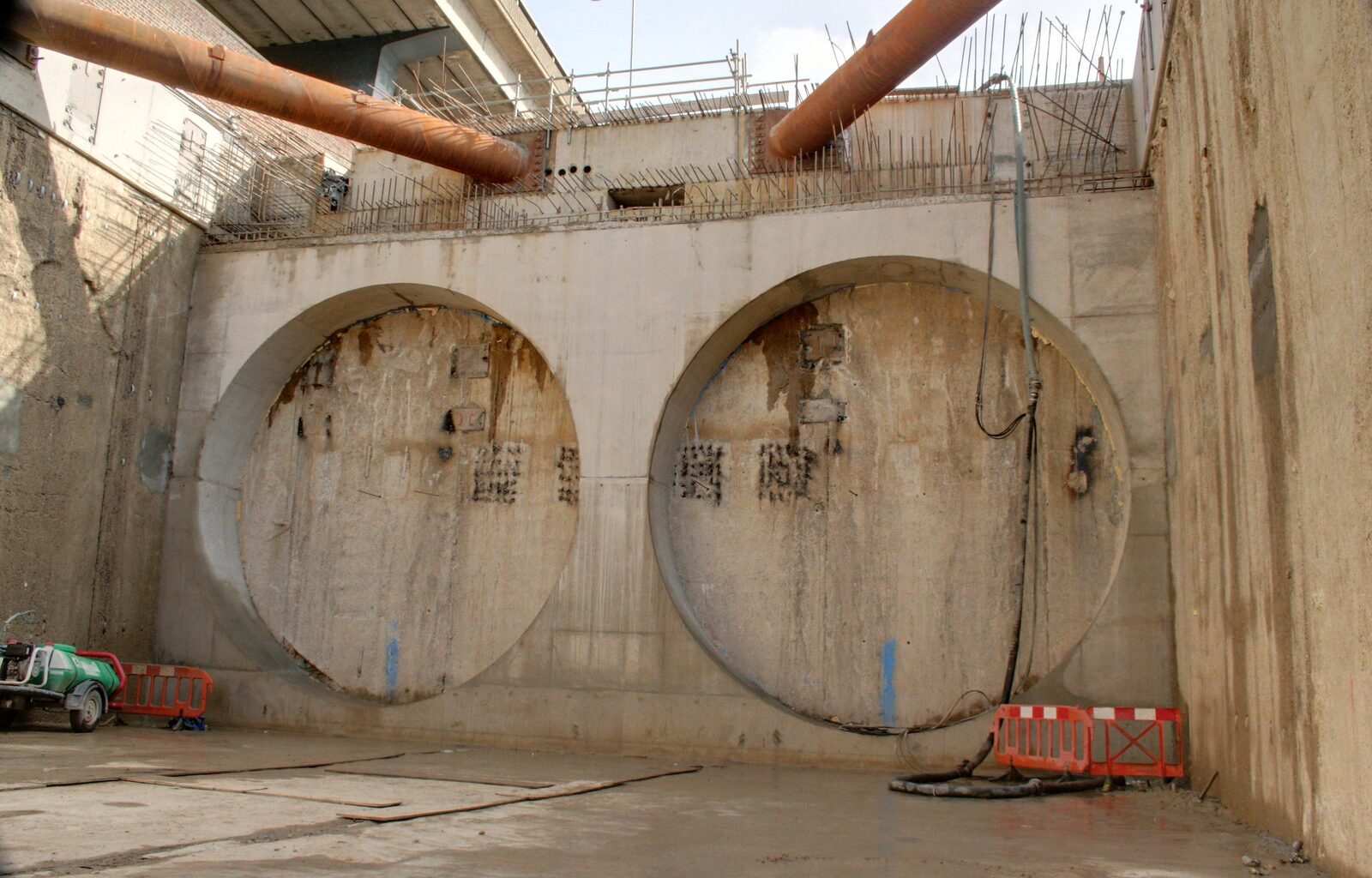
 The Crossrail 1 portal at Royal Oak
The report spends most of its time looking at why building new infrastructure in London (and the UK generally) is so much more expensive than in most other countries, and suggests that the UK could slash costs if it wanted to.
The headline claim is that costs could be lowered by 20-50%, although the report acknowledges that many of the cheaper examples cited would not be suitable for London and, at best, costs could be cut by 15-20%, if at all.
There are areas that are already widely known to contribute to higher costs and could be reduced, such as cutting the number of contractors on projects, as each interface between suppliers raises issues and costs. But that would also mean it’s harder for smaller firms to win contracts.
There is also the widely known problem of stop-start planning for long-term projects, which means suppliers can’t invest and plan for sales that might take a decade or more to arrive, but at least they know they’re confirmed in the long-term pipeline.
Another recommendation the report makes is for a better understanding of what’s under the ground at the moment. A central database is already being built, but the biggest problem is that the owners of the pipes underground often don’t know where they are either.
Many times I’ve spoken to people on construction sites and asked my generic “what went wrong?” question, only to get the answer that they found a sewer or an old tunnel that isn’t on any of the maps.
It happens a lot – so until the utilities know where their pipes are, a central database isn’t going to help matters. Such a database will also affect only a small percentage of a railway tunnel, as most tunnels are deep below human activity, reaching the surface only at stations and ventilation shafts.
Fixing these issues are good in of themselves, but wouldn’t make much more than a rounding error in the cost of a project as large as Crossrail 2.
And the report calls for the Mayor of London to resume work on Crossrail 2, and to lobby the government for support to get it built.
Planning work was put on hold as a condition of the pandemic funding agreement, and candidly, the delayed Crossrail 1 (Elizabeth line) probably hurt the argument for another mega-project in London at the time.
However, the huge success of the Elizabeth line makes arguing for more Crossrails (all over the UK), so very much easier – the economic uplift is clear, the payback on the investment is clear and the passenger use is clear.
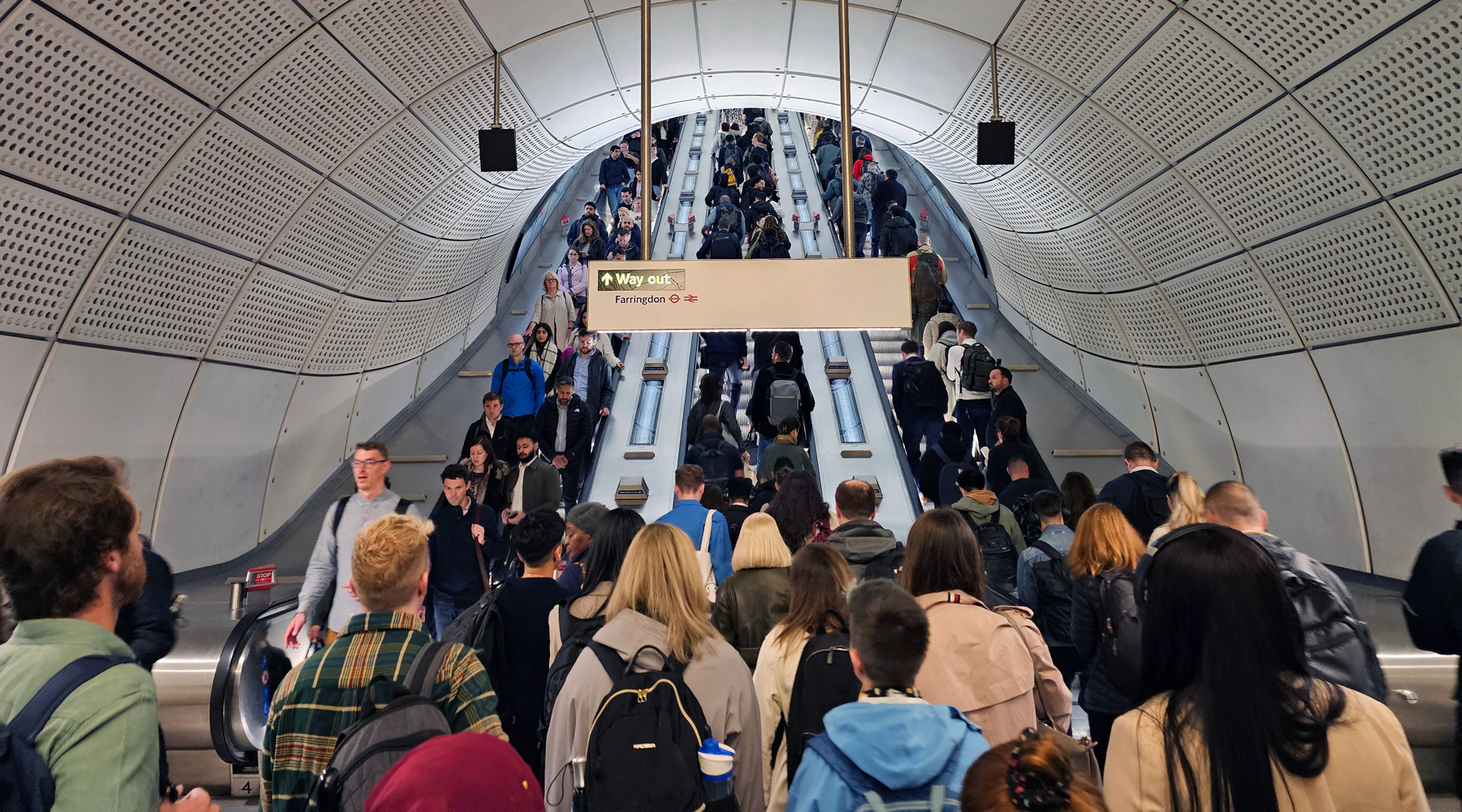 Elizabeth line’s Farringdon station in the rush hour (c) ianVisits
The London Assembly report acknowledges that funding it will be a challenge, as while most of the cost of Crossrail 2 would be funded by London’s taxpayers, developers and fare payers, it will still need substantial government support to get started.
That’s government support would be in part enabling the borrowing to fund the central tunnels, but as much of Crossrail 2 runs over existing National Rail tracks, it would need the future Great British Railways to pay for those upgrades at the same time.
Something that was missing from the report, and was highlighted as a missed opportunity when the Elizabeth line was being built, was the ability to build much larger oversight developments where new stations are built.
The current thinking is to buy up as much land as needed to clear for a building site, but no more than necessary as land purchases are expensive and legally time consuming. However, that also means the financial gain from rebuilding the site later is lower than if they could redevelop much larger plots of land.
An example could be that if Balham gets a Crossrail 2 station, then instead of buying, maybe, just the supermarket car park and row of shops next to the station, they would get many times more return if they bought the entire block.
But that requires more upfront cash to buy land and legal powers for compulsory purchases.
And of course, the report recognises the impact construction can have on neighbours, while also arguing that faster ways of compensating affected people might help reduce construction delays and legal challenges to the project.
One of the (many) problems HS2 faces is that, while it has legal powers to build the railway, many of the details were left to local planning authorities. Yes, that’s good local democracy, but also a NIMBYS charter to object to every tiny detail and wrap the construction site in so much red tape and grind work to a halt.
However, when I read planning documents for changes to existing railways, they often cite their founding act in eighteen something or other granting them perpetual permission to do whatever they want, if it’s related to the railway. Often the planning application is a courtesy by the railway, who note they can, in polite language, tell the council to bugger off.
Imagine if major infrastructure projects could cite national or broader regional needs and secure absolute planning powers without needing 6,000 local consents for every tiny thing.
That would cut into the costs of building something like Crossrail 2 while also enabling the railway to cover more of its costs through property developments.
More widely, just as the Elizabeth line is part funded by property developers paying a contribution each time they build something, the Assembly report says that there needs to be more use of powers to capture the value of existing assets that rise when something good lands nearby.
Current developer levies cover only new developments, not existing ones, so an existing homeowner (usually older) gets a free upgrade, whereas people (usually younger) moving into newly built homes have to pay a premium.
The report calls for greater use of land value capture to help fund future transport upgrades.
The report also looks at whether incremental upgrades might be a better way of delivering transport improvements.
For example, did the Elizabeth line need all the bells and whistles it has on day one – many of which caused the delays in opening, or could they have been added later?
That requires a political decision, as candidly, it’s politically wiser to build the whole thing to a gold-plated standard at once, as it’s much harder to build a “minimum viable product” and then go back to the government and ask for a top-up.
If a perfect upgrade costs – for example, £4 billion – and you say you can get it up and running for £3 billion, but will still need the £1 billion later, there’s a big risk that when you ask for the next tranche of cash, the government will say no. So building it all upfront does make sense, and while phased developments might be easier to get started, they could also be a heck of a lot harder to get completed.
Ultimately, the report doesn’t actually say anything unexpected or groundbreaking in how to reduce construction costs and fund upgrades – and the headline cost savings are unlikely to materialise.
However, it does highlight a number of areas which can fly under the radar a bit, and if it focuses minds on a concerted effort to push for transport upgrades that a growing London (and rest of the UK) desperately need, then it’s worth a read.
After all, even after cost overruns and delays, it’s still really difficult to build a railway in the UK that isn’t a huge success the day it opens.
The report, Euston we have a problem: Mind the funding gap, is here.