GSMArena Team,
2 December 2025.
1. Introduction, specs, unboxing2. Design, build quality, handling3. Our lab tests – display, battery life, charging test, speaker loudness4. Software, performance5. Camera, photo and video quality6. The competition, our verdict, pros and consNothing Phone (3a) Lite specificationUser opinions and reviewsReview comments (11)
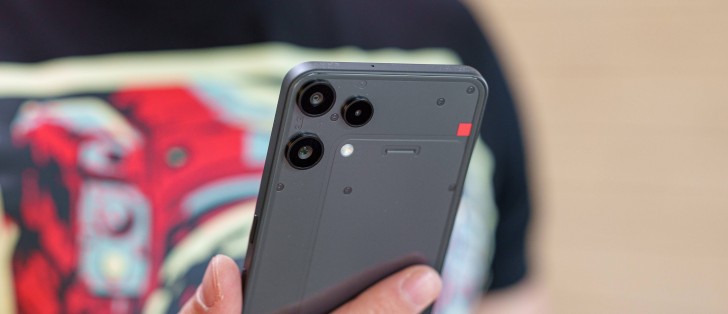
Basic yet promising cameras
The second major difference with the CMF Phone 2 Pro is the camera department. The Nothing Phone (3a) Lite packs a 50MP OIS primary, an 8MP ultrawide, and a 2MP macro imager. The CMF variant had a telephoto camera instead of the basic macro shooter.
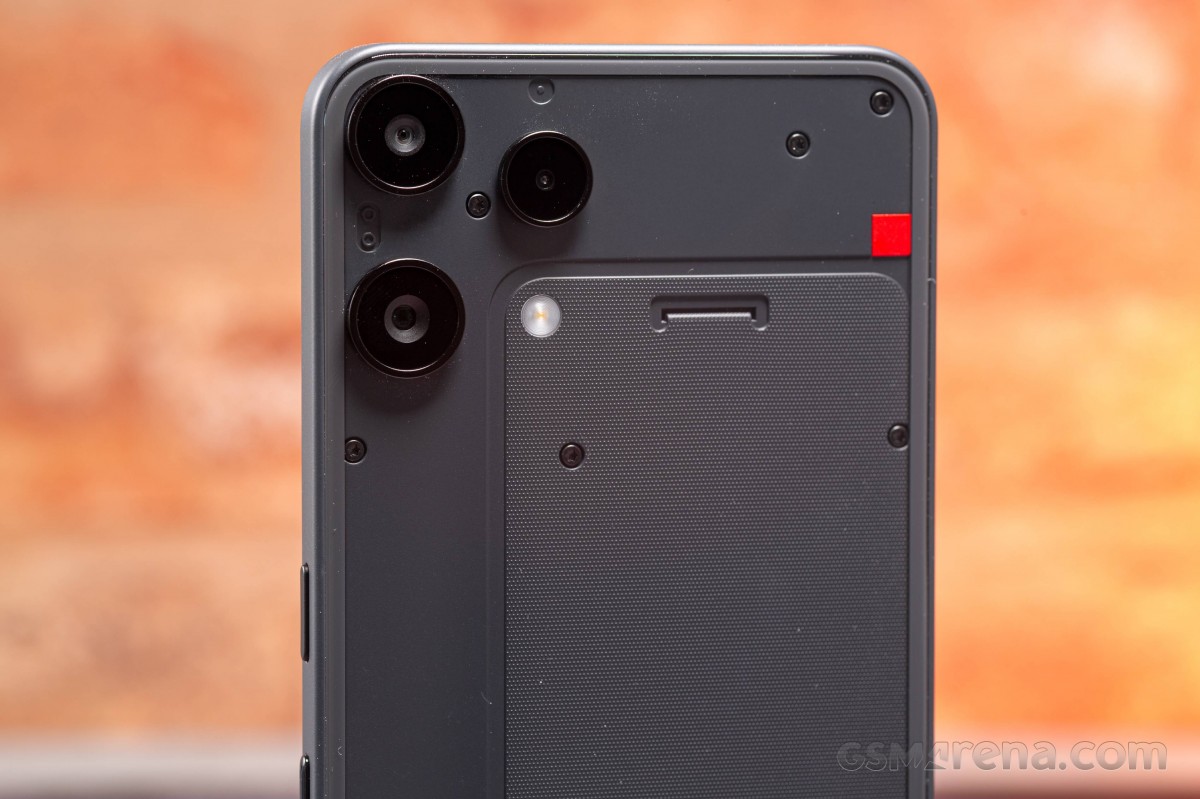
There is also a 16MP selfie camera at the front.
- Wide (main): 50 MP Samsung ISOCELL S5KGN9, f/1.9, 24mm, 1/1.57″, 1.0µm, OIS, dual pixel PDAF; 2160p@30fps
- Ultra wide angle: 8 MP GalaxyCore GC08A8, f/2.2, 15mm, 1/4.0″, 1.12µm; 1080p@30fps
- Macro: 2 MP GalaxyCore GC02M1.
- Front camera: 16 MP GalaxyCore GC16B3, f/2.0, 24mm, 1/3″, 1.0µm; 1080p@60fps
The cameras on the Nothing Phone (3a) Lite supports what the company calls “True Lens Engine 4”. It includes Ultra XDR, AI Vivid Mode, Night Mode, Portrait Optimizer, and Motion Capture.
Expert mode is available and so is RAW capturing.
Daylight photo quality
The main camera captures average 12.5MP photos. The resolved detail is mediocre and the processing often tries to compensate for the lack of it with over-sharpening. The contrast is high, though the dynamic range is average. The colors are alright, but somewhat muted at times. Finally, if the light conditions are good, there is no observable noise. These seem to be your typical average images for the class.










Main camera
There is a 2x zoom dedicated toggle on the viewfinder, but there is neither optical nor in-sensor magnification. The 2x photos are digitally zoomed by cropping and upscaling on the go.










Main camera, 2x zoom
The primary camera of the Phone (3a) Lite captures good photos when it comes to people. The skin tones are accurate, there is no excessive over-sharpening on the face and/or other body parts. The resolved detail is still average, and so is the dynamic range, but overall – well-processed photos from an affordable mid-ranger.




Main camera, regular
The portrait mode also does a good job, though the subject separation becomes unreliable across busy scenes and/or complex haircuts.




Main camera, portrait mode
Oddly, capturing people at 2x zoom shows traces of where the algorithm tried to do more than just crop and upscaled, especially across the faces. We don’t claim it has succeeded, but there is some potential to be explored, maybe with a firmware update.
Anyway, the 2x zoom, be it a regular or portrait mode, will deliver a soft cropped and upscaled photo.




Main camera, regular 2x




Main camera, portrait 2x
The 8MP ultrawide camera delivers uninspiring images with mediocre or even poor detail. The contrast is often low, while the dynamic range – often adequate. The colors are usually either muted or washed out, though probably acceptable given the camera class.










Ultrawide camera
The 2MP macro shots are quite suable with well-saturated colors, good contrast, a bit noisy and average in detail.




Macro camera
The 16MP selfie camera uses a Quad Bayer sensor and yet it still saves 16MP photos – this means they are practically upscaled from the 4MP native output.
Indeed, the 16MP selfies lack detail and sharpness, but they do deliver in colors, dynamic range, and subject exposure.


Selfies
Low-light photo quality
The main camera on the Nothing Phone (3a) Lite captures excellent nighttime photos. There is enough detail, the noise is low if any, and the color saturation is very good.
The shots we took are well exposed, offer wide enough dynamic range without going towards extremes.






Main camera
The 2x zoomed photos are cropped and upscaled from the standard output and are extremely lacking in detail.





Main camera, 2x zoom
The ultrawide camera takes okayish low-light photos with saturated colors, low noise, and wide dynamic range. The level of detail, however, is uninspiring, often washed out by the noise reduction algorithm.






Ultrawide camera
Video recording
The main camera can capture video at 4K@30 fps and 1080p@60/30fps. The ultrawide camera is limited to 1080p@30fps video capturing. The selfie camera supports 1080p recording at 30fps and 60fps. Audio is captured in stereo with 256Kbps bit rate.
You can check out the playlist below, which includes multiple video samples.
In good light, the main camera captures excellent 4K videos with enough detail, good sharpness, true to life colors, and nicely wide dynamic range. There is no visible noise. The nighttime 4K videos are pretty impressive with similar quality to the daylight footage, including properly good exposure, color saturation, and noise reduction.
The ultrawide camera offers average detail in daylight and poor detail in low-light scenes. The videos are usable with good color and contrast. The daylight videos offer wide dynamic range, but the low-light are dark and noisy.