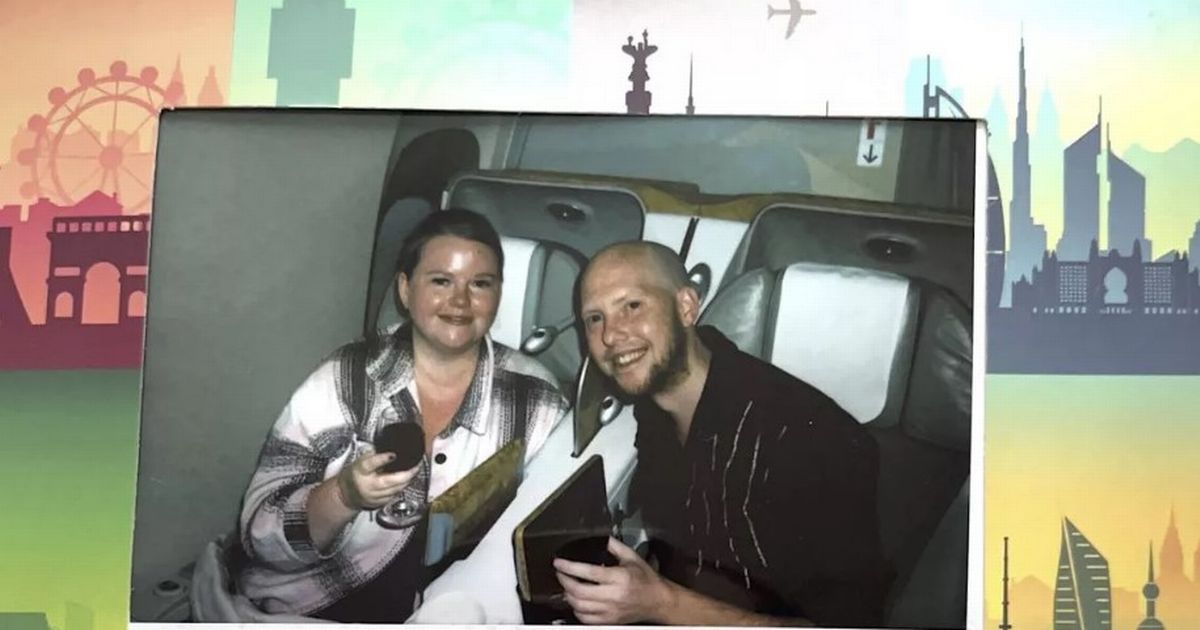
Rebecca Elsdon, 34, said her brother’s death remains a mystery but her own diagnosis a year later could shed some light on his tragic passing.
09:26, 02 Dec 2025Updated 09:30, 02 Dec 2025
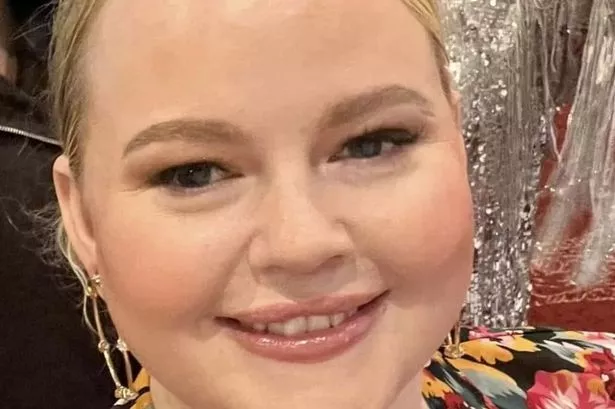 Rebecca soldiered on to attend her festive work night out a week before Christmas Day 2023(Image: Cover Images)
A Scots woman who started coughing up blood after her brother died suddenly in his sleep has issued an urgent plea for people to listen to their bodies and “advocate” for themselves if they feel something isn’t right. Rebecca Elsdon, 34, from Edinburgh had been fit and healthy until she came down with a series of coughs and colds in October 2023, which she dismissed as a seasonal bug.
After discovering tiny specks of blood in her saliva, she went to the GP who quickly sent for a chest X-ray before Christmas 2023, but nothing worrying showed up and medics said she probably had small internal tears from coughing. In the New Year, though, Rebecca’s condition worsened, reports the Mirror.
She was struggling to eat and one evening when her energy was particularly low, she began coughing up blood. She called 999 and was admitted to the cardiology intensive care ward in Edinburgh Royal Infirmary for 18 nights. Though she didn’t feel it, Rebecca was gravely ill.
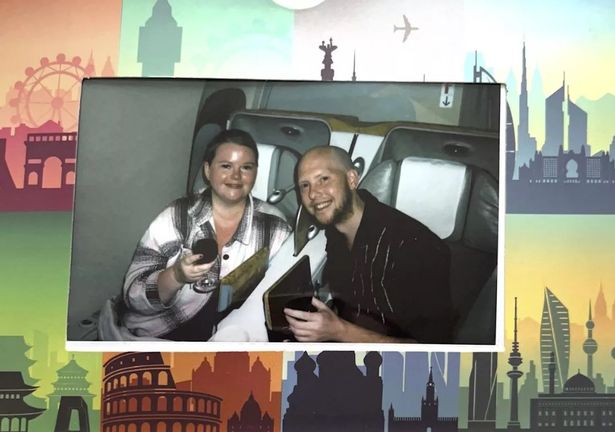 The last picture taken of Andrew and Rebecca on the Emirates flight home from Australia in January 2023(Image: Cover Images)
Rebecca said: “I had been going from one cold to another… I didn’t think much of it but when it dragged on I went to the GP, who said she thought it was a viral infection and gave me antibiotics.
“Life carried on. I had a persistent cough but it didn’t stop me doing things… I thought maybe I’d picked something up from various Christmas nights out with friends and colleagues.
“I realised something was badly wrong when I started coughing up blood… one of the paramedics said he thought it might be an embolism in the lung… I’d never heard the term before but it didn’t sound life-threatening.”
Rebecca was no stranger to illness after her mum Mary died in 2014 from cancer. Then around Christmas 2023 on a family trip to Australia, after she found specks of blood in her saliva, Rebecca’s brother Andrew came out of the sea with a large black and blue bruise on his leg.
When he returned to Scotland, the siblings spent the night watching TV together before going to bed as normal. In the morning, Rebecca went to investigate why Andrew hadn’t got out of bed for work and found him unresponsive.
Andrew died in his sleep aged 39. Nobody could explain how he had died.
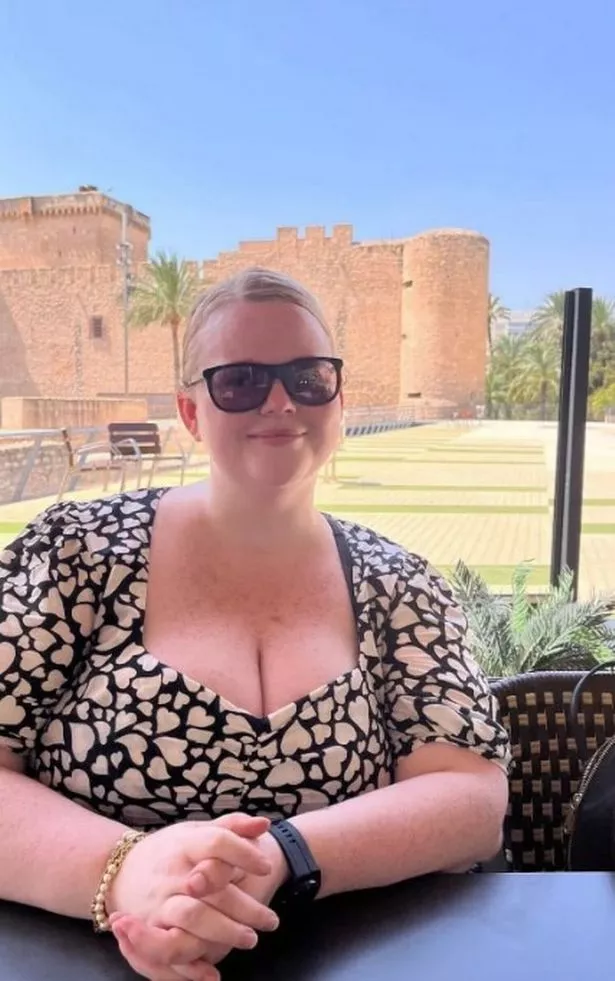 Rebecca in Alicante after recovering in hospital (Image: Cover Images)
Recalling that morning, Rebecca said: “I phoned my other brother Mark and told him I couldn’t wake Andrew up. I didn’t know what to do and I was fully panicking at that point. We phoned for an ambulance and they were trying to talk us through CPR until the paramedics arrived. It was horrific.
“We still don’t know what caused it. It was totally bizarre and such a shock. We’d already lost our mum, so we knew what grief felt like, but this was different. Christmas 2023 was just dad and I. The contrast between that and Australia the previous Christmas – when we’d all been so happy and having so much fun – was stark.”
When Rebecca found herself in hospital months after losing Andrew, doctors probed her medical history. She said: “What happened to Andrew did weigh a bit on my mind, but not as much as maybe you would think. He wasn’t presenting as unwell, and he died suddenly, while I was poorly by this point.”
After a few days in hospital, scans emerged that confirmed Rebecca had blood clots throughout her body; in her heart, kidney and lungs and that one of her heart chambers was badly damaged due to a large blood clot.
She said: “It was scary because one of the clots could have broken off and gone up into my up my brain and caused a stroke. I’m extremely lucky that didn’t happen.”
Rebecca was diagnosed with cardiomyopathy and spent 18 nights in hospital receiving treatments. Doctors said the symptoms – like being unable to eat – were due to internal swelling. The condition is serious but manageable meaning Rebecca will have to stay on top of it for the rest of her life, helped by a long-term plan devised by medics.
Dr Roy, Chief Medical Advisor at Heart Research UK, says: “Cardiomyopathy is a condition where the heart muscle becomes weak or stiff. It can affect anyone, even people who seem fit and healthy. It varies in severity. Some people have few symptoms, while others are at risk of heart failure or dangerous heart rhythms if it is not spotted early.
“Once diagnosed, there are treatments that stabilise the heart and reduce the risk of complications. These include lifestyle changes, medications and implanted devices that protect against life threatening rhythms.”
Rebecca struggles with fatigue and will remain on various medications but otherwise leads a normal life, attending Pilates and yoga classes and ensuring she has a heart-healthy diet with fresh fruit and veg. She recently received a letter from her cardiologist saying her heart is now back to functioning within the normal, healthy range.
Rebecca had genetic testing and was tested for any underlying conditions when she was in hospital which all came back negative. She said nobody yet knows if what happened to her was linked to what killer her brother.
She went on: “It’s fairly common that a root cause for cardiomyopathy is never found but the best guess is that the repeated viral infections triggered the condition.
“It has been very difficult coming to terms with the loss of my brother and my long-term health condition and trying to accept I won’t ever have answers for why they happened.
“I want people reading this to listen to their bodies. I don’t want to scare anyone, but if you feel something isn’t right, you need to advocate for yourself. I wouldn’t have done anything differently and I was looked after very well by the NHS and that continues to be case. My case had to play out the way it did as the symptoms were so vague. My brother didn’t have any signs he was unwell but I was more fortunate and ultimately that’s what saved my life.”