Ethiopia has recorded a rapid expansion in mobile financial services, with the number of Mobile Money accounts rising to 136 million in 2025, up from less than one million in 2020, a new data shows. This surge has enabled more than 9.6 trillion birr (approximately 63 billion US dollar) in annual digital transactions, according to Solomon Desta, vice governor of the National Bank of Ethiopia (NBE).
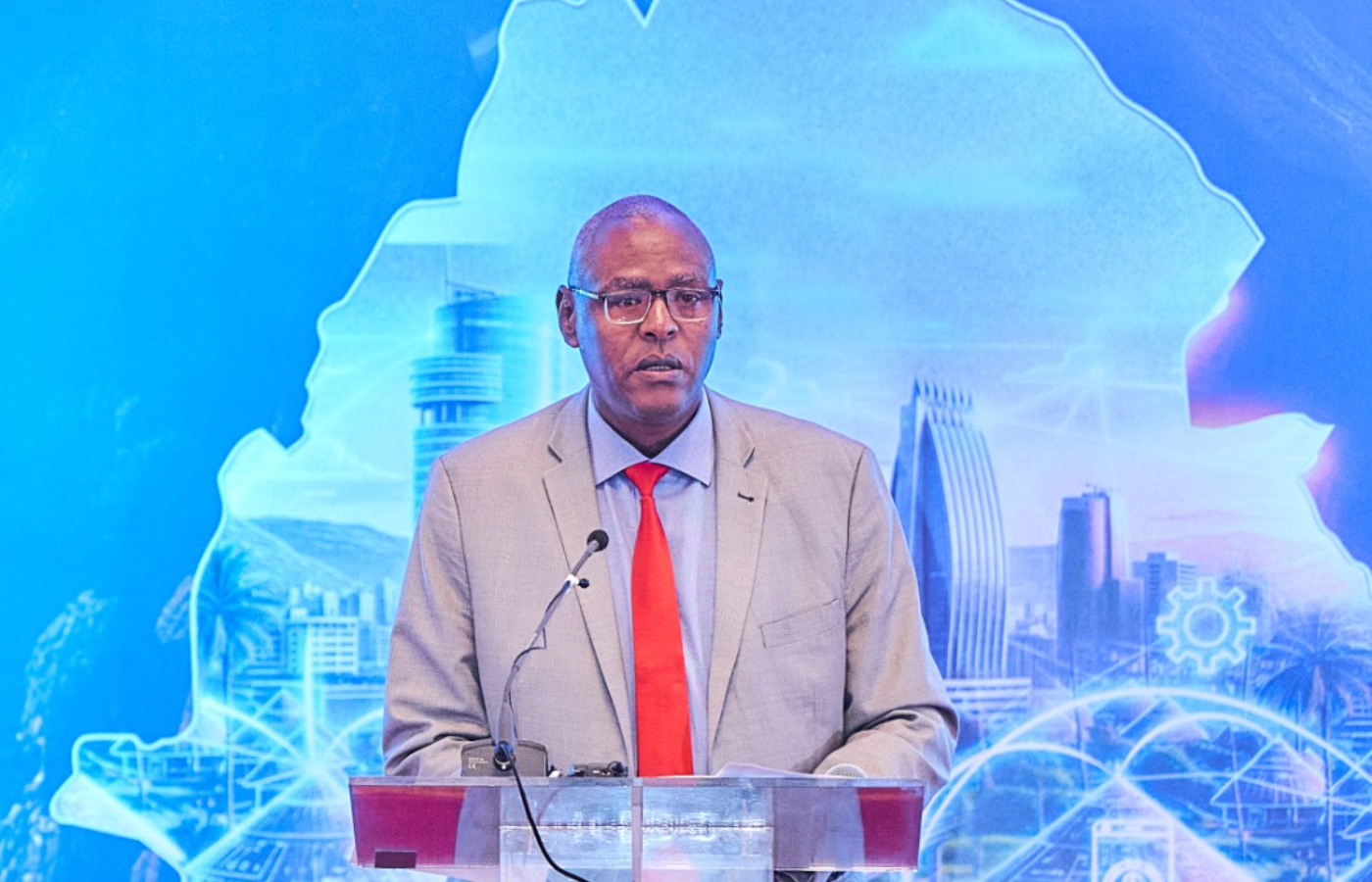
Speaking at the National Financial Inclusion Regional Workshop in Addis Ababa, Desta said: “Financial inclusion is not just a policy priority; it is a national agenda and a mandate for building a strong economy… When financial inclusion is achieved, our country’s economic growth accelerates, the poverty rate decreases, and the capacity to withstand problems is strengthened.”
The expansion coincides with broader growth in the formal banking system. Total deposits increased from 1.04 trillion Birr in 2020 to 3.55 trillion Birr in 2025, while total credit extended rose from 559 billion Birr to 3.24 trillion Birr. Interest-free financial services also expanded, with deposits reaching 425 billion Birr and Takaful premiums totaling 471 million Birr.
The progress follows the Second Ethiopian National Financial Inclusion Strategy (NFIS-II), launched in 2021, which targets 70 percent adult formal account ownership by 2025, up from 45 percent in 2020, and aims to reduce the gender gap in financial access.
Ahmed Shide, Minister of Finance and chair of the National Financial Inclusion Council, said: “Financial inclusion holds a key place in the Homegrown Economic Reform Agenda… When more Ethiopians are able to securely save, borrow, make digital payments, and access insurance services, they can improve their livelihoods and protect themselves from various natural and man-made disasters.”
Melaku Kebede, head of FSD Ethiopia, highlighted the role of development partners: “FSD Ethiopia is ready to support this journey—confirming its partnership through technical assistance, providing evidence-based data, collaborating with financial institutions and regulatory bodies, and facilitating solutions that respond to the realities of rural, urban, and pastoralist communities.”
The workshop brought together regional leaders, heads of financial institutions, and development partners to assess progress, identify gaps, and discuss practical measures to expand financial access for women, youth, and residents of remote areas.