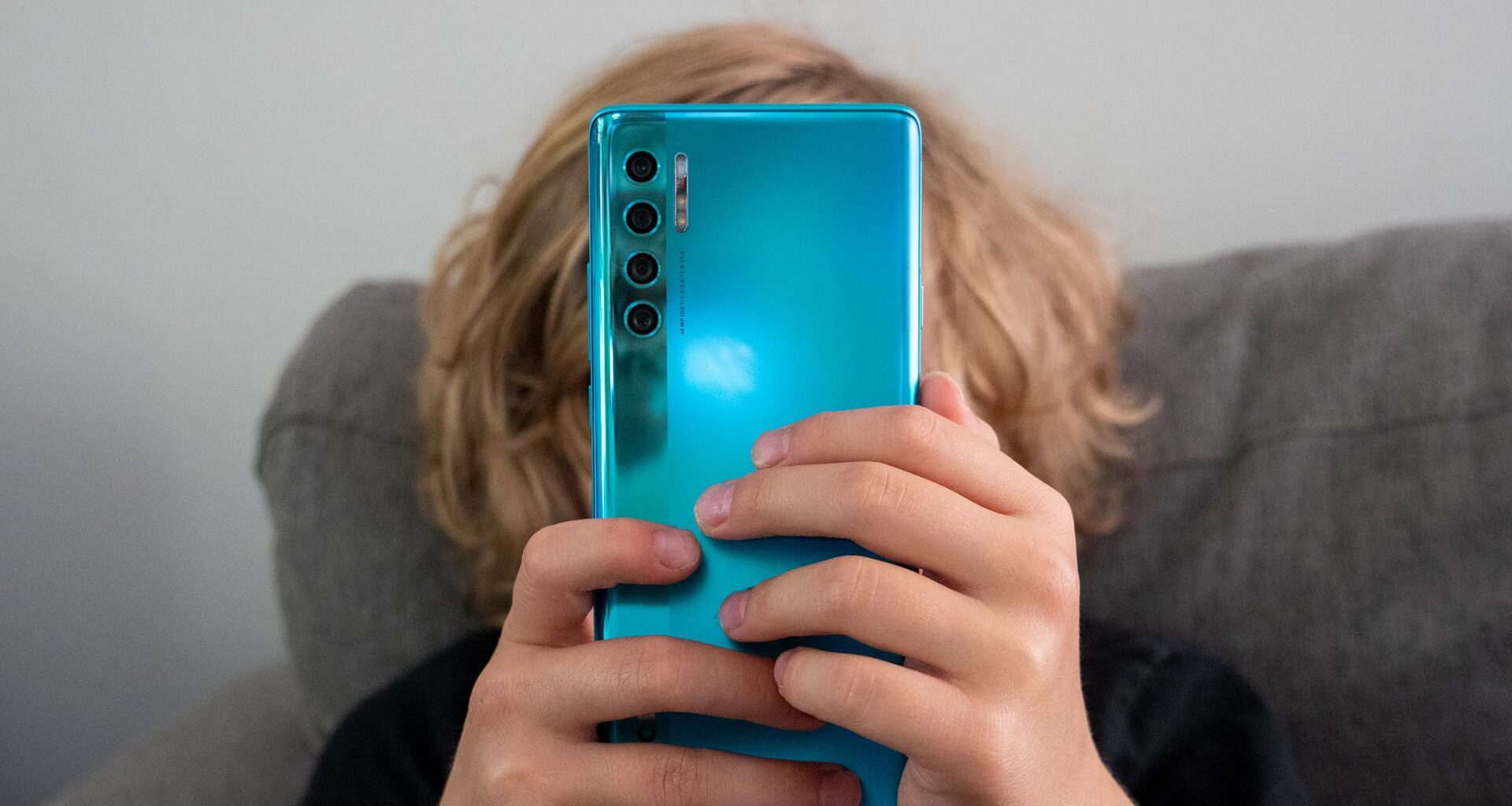
As smartphones became more commonplace, one recurring question has been their role in parenting and when it’s appropriate to give a child their first smartphone. Some parents prefer to wait until later in the teenage years, while others are fine with giving their kids a phone sooner.
Both options offer potential benefits, but they also carry risks, as a recent New York Times article points out. The article highlights a study showing how children under a certain age may have a greater risk of certain negative health effects, which may give some parents pause when considering giving their kids their first smartphones.
You may like

Enjoy our content? Make sure to set Android Central as a preferred source in Google Search, and find out why you should so that you can stay up-to-date on the latest news, reviews, features, and more.
Today’s best deals on cheap smartphones
What does the study show?
(Image credit: Nicholas Sutrich / Android Central)
The findings, published in the journal Pediatrics, analyzed data from the Adolescent Brain and Cognitive Development (ABCD) study, which included more than 10,000 participants in the United States from age 10.
Researchers asked whether their children owned a smartphone and examined how this exposure affected the children across three key health areas. They found that early exposure was associated with adverse effects across the board.
“Smartphone ownership in early adolescence is associated with poorer adolescent health outcomes, including depression, obesity, and sleep deficiency, independent of socioeconomic and parental confounders,” explained lead author Ran Barzilay, MD, PhD.
According to the study, among the more than 10,000 participants, more than 60% owned a smartphone by age 12 (over 4,000 with an iPhone versus more than 2,000 with an Android phone). However, they found that the earlier a child owned a smartphone, the worse the outcomes were on the key metrics (depression, obesity, sleep efficiency) studied.
Furthermore, they observed similar effects among the more than 3,000 participants who did not own a smartphone by age 12. After a year, half of the participants who received a phone by age 13 had worse outcomes than those who did not.
What can parents do?
(Image credit: Nicholas Sutrich / Android Central)
There are many reasons why parents may choose to give their children smartphones at earlier ages, as it can provide them with some peace of mind that they have a way to reach their child should anything happen. This is especially true for latchkey kids, or those who often take care of themselves without supervision after school and while their parents are still at work.
That said, there are ways parents can alleviate some concerns they may have about their children’s smartphone use. There are plenty of smartphones for kids with built-in protections, and thanks to parental controls available in many smartphones through features like Family Link and Find Hub, parents can monitor their children’s locations to ensure they’re where they should be.
Additionally, parents can manage their kids’ smartphone usage by restricting and approving app downloads, filtering Google Search results, setting screen time limits, and more. Furthermore, apps like Instagram have built-in age limits and content restrictions that parents concerned about social media access can use.
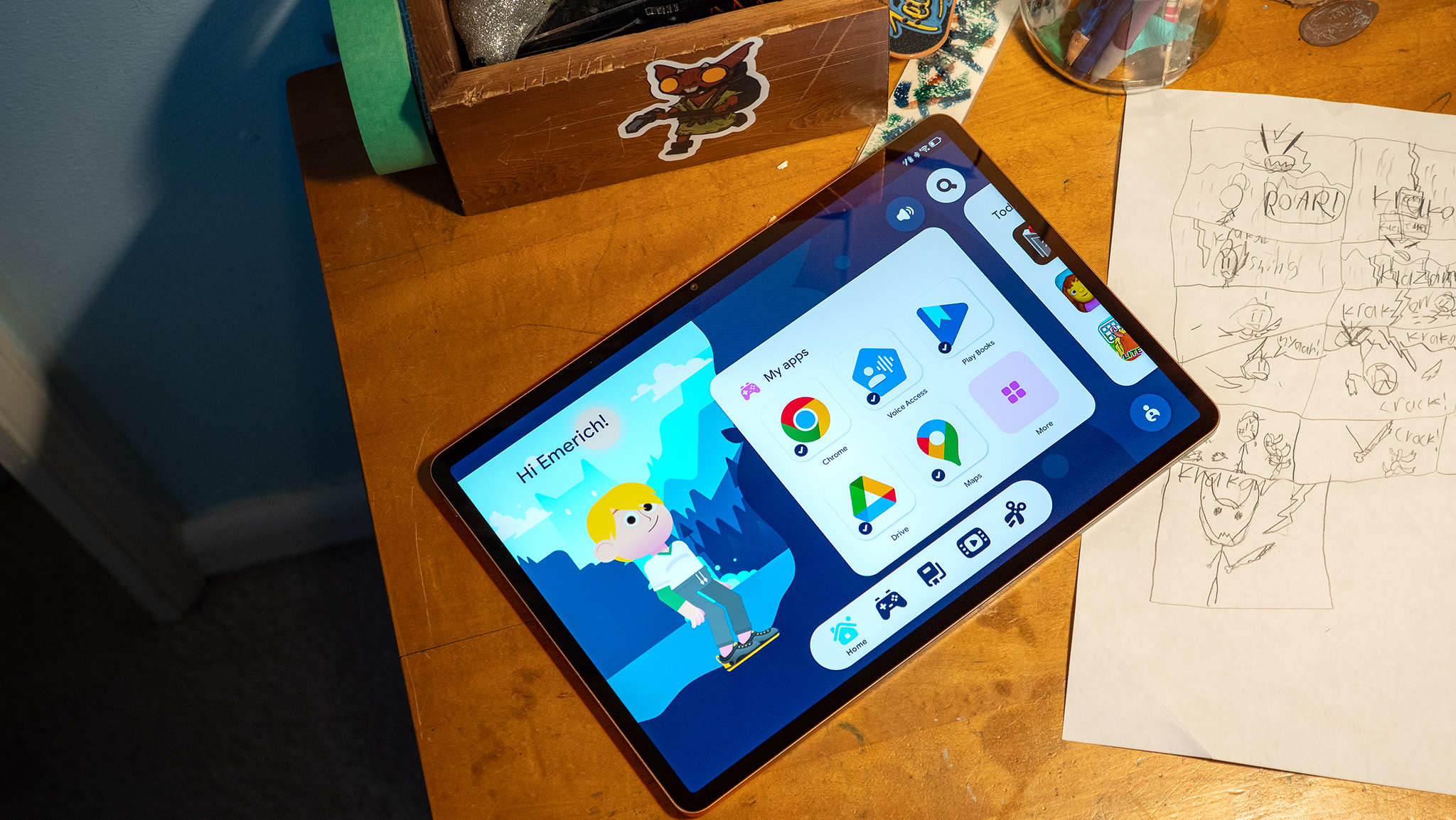
That said, some parents may find these safeguards insufficient and choose to hold off on giving their kids a smartphone. In these instances, there are alternatives, such as a shared family tablet or even kids’ smartwatches, which may not have the same effects as owning a smartphone at an early age.