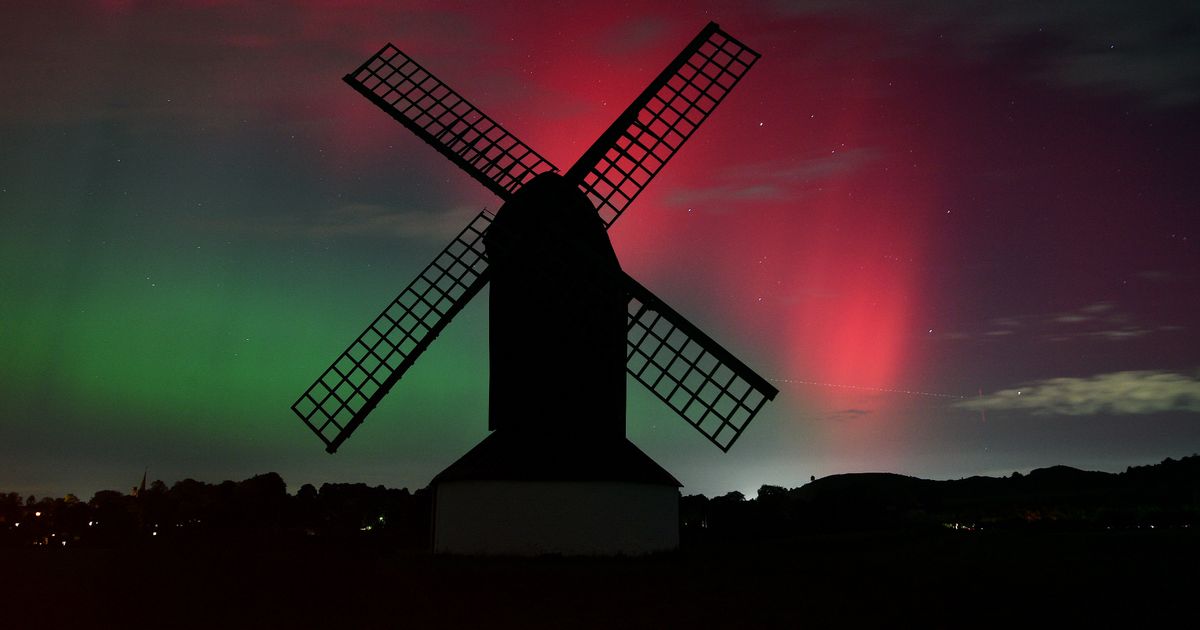
The Northern Lights is set to fill the sky tonight across much of the north of Scotland as a rare red aurora alert is issued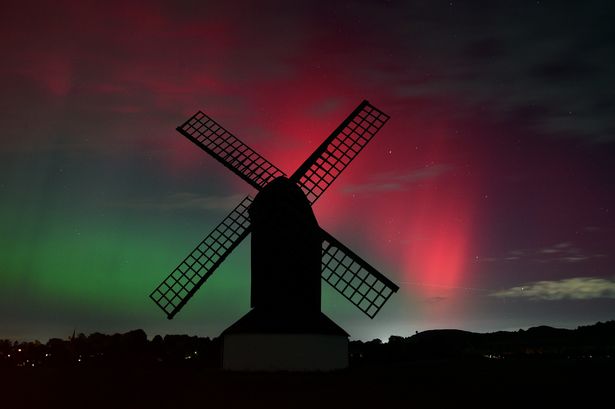 The Aurora Borealis are ‘likely’ to be spotted tonight across Scotland(Image: Getty Images)
Scots are in for a treat tonight as a red alert has been issued meaning there is a strong chance of spotting the stunning Northern Lights anywhere across the the country.
The Aurora Borealis, commonly known as the Northern Lights, is a natural light display that paints the sky with shimmering waves or curtains of colour, most often green, pink and red. These breathtaking displays have fascinated humans for centuries and are caused by charged particles from the sun, known as solar winds, colliding in the Earth’s upper atmosphere.
Lancaster University has issued red alert, indicating a strong likelihood of spotting the Northern Lights due to heightened geomagnetic activity. A red alert is described as meaning: “It is likely that aurora will be visible by eye and camera from anywhere in the UK.”
The chart from the university shows geomagnetic activity measured in nanotesla, the unit for magnetic field strength, which reached approximately 280nT this evening, the Mirror reports.
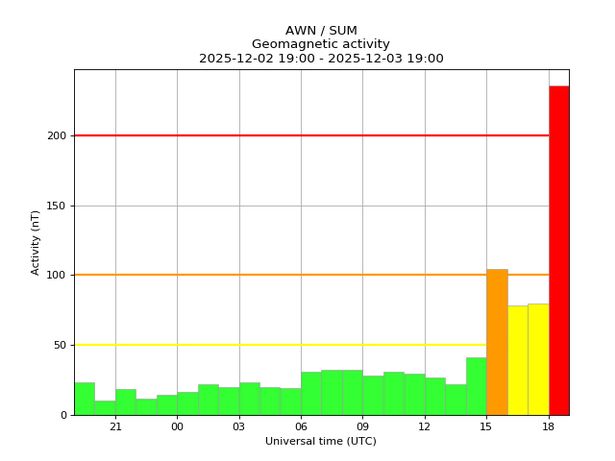 The Red Alert issued by the University of Lancaster(Image: @aurorawatchuk)
The Met Office reports that, starting tonight, people across the Scotland could have the chance to see the Northern Lights. The likelihood is highest in northern Scotland and gradually decreases further south.
The national agency states: “The aurora oval is expected to be at or near background levels at first. The onset of the fast wind from a large coronal hole, either on Wednesday 3rd or Thursday 4th December is expected to enhance the auroral oval to lower latitudes.
“Following its arrival, aurora may be visible, where skies are sufficiently clear, mainly from northern Scotland, with a lower chance further south.
“A possible coronal mass ejection (CME) glance around a similar time may also cause increased enhancement, with aurora potentially visible further south still.”
Scotland offers some of the best opportunities to see the Northern Lights, thanks to its proximity to the polar regions where the Earth’s magnetic field directs charged particles. While the lights can occasionally be visible further south during severe space weather, Scotland generally provides the clearest and most frequent displays.
For those dreaming of witnessing the Aurora Borealis, this winter may be an ideal time to plan a trip up north.
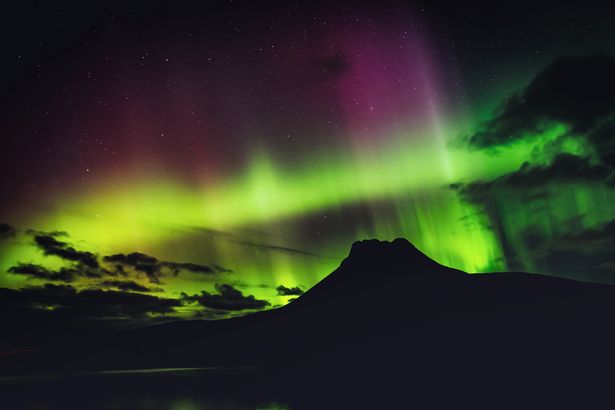 People in the north of Scotland have a better chance of seeing the Northern Lights(Image: Getty Images)
Experts predict that 2026 will be the best year in a decade for Northern Lights viewing, with January and February offering particularly strong opportunities.
Additionally next year will bring the once-in-a-decade phenomenon, the solar maximum with it. This rare phenomenon involves heightened magnetic activity on the Sun, which scientists are expecting to continue to peak until March 2026, before gradually declining until the mid-2030s.
The good news is that you don’t need to travel all the way to the Arctic to catch a glimpse of the lights. Many European destinations such as Iceland, Norway, Sweden and Finland where you can watch the Aurora because of their proximity to the Arctic Circle.