Defense is a top priority
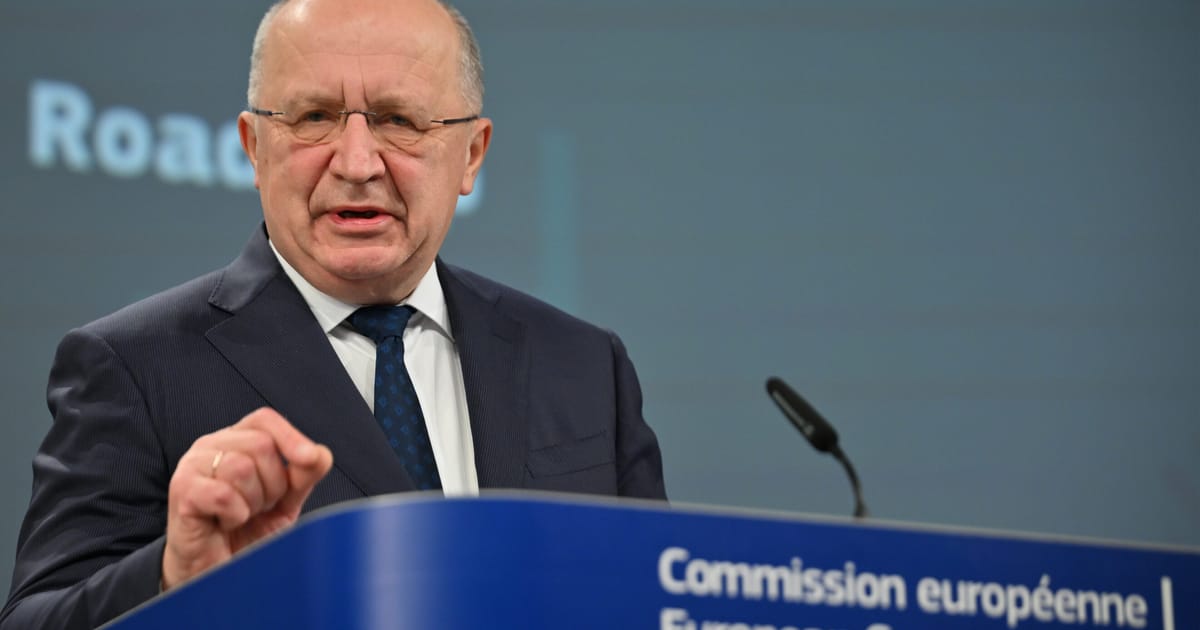
The former Lithuanian prime minister has been the bloc’s first defense commissioner for a year — a sign of how much has changed in the EU as it wakes up to the threat posed by Russia and ramps up its rearmament efforts, all while the Trump-led U.S. pulls back from the continent.
The U.S. has been the linchpin of Europe’s security since the end of World War II, and Kubilius said, “We should always count on Article 5,” referring to NATO’s common defense provision.
However, he argued that America’s shift toward the Pacific “is happening.”
“The question is whether we need to have some kind of additional security guarantees and institutional arrangements in order to be ready — in case Article 5 suddenly is not implemented,” he said.
He also mentioned recent comments by U.S. NATO Ambassador Matthew Whitaker that Germany might take over NATO’s top military job, rather than keeping it in the hands of an American general. That “is a signal that really Americans are asking us to take care about European defense,” not only from a military point of view but also from an institutional perspective, Kubilius said.
The geopolitical shift “pushed Europe to understand that defense is a clear strategic priority, which demands action from our side,” the commissioner said, mentioning some of the EU’s key legislative actions like the €150 billion SAFE loans-for-weapons program aimed at boosting the bloc’s military production.
Next year, “we are planning to spend a lot of our efforts on the development of industry,” he said, including a communication on the single market. Defense companies are currently not fully integrated into the single market as governments have an opt-out for national security interests, but that is a cause of the bloc’s fragmented defense industry and is hampering rearmament efforts.
Kubilius also said he wants to open a discussion on “institutional defense readiness,” including revamping the bloc’s mutual defense provision — often overshadowed by NATO’s more muscular promise. The EU clause needs procedural language that spells out the actions member countries must take to protect each other.