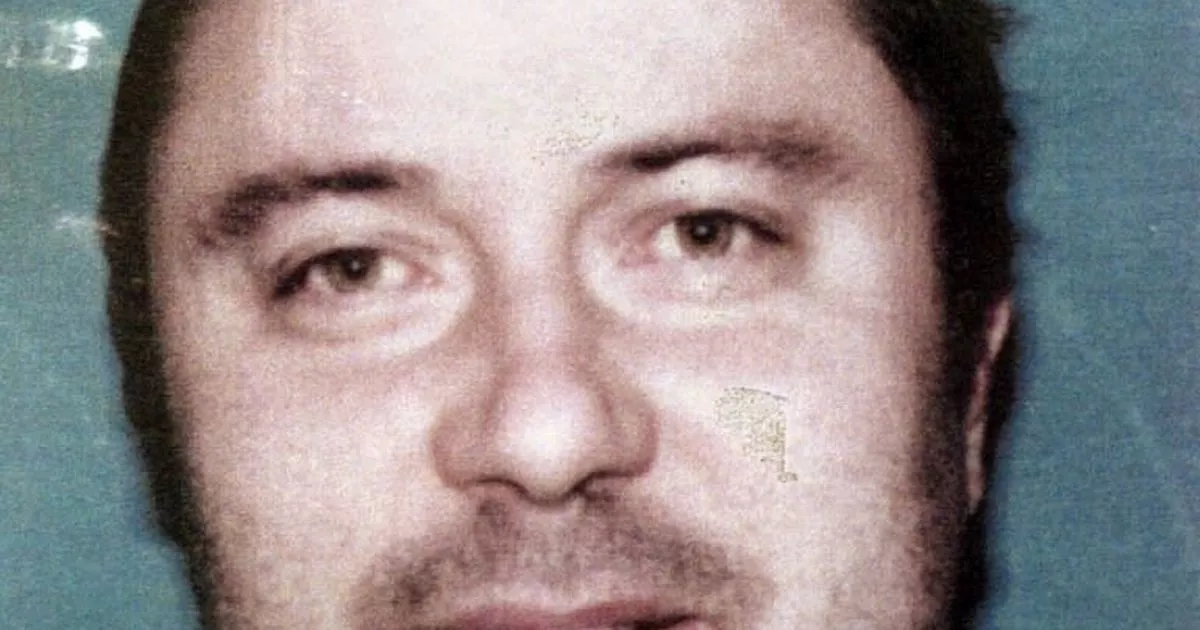
William Beggs took the Scottish Prison Service to the Court of Session over an incident which happened at HMP Edinburgh in December 2024.
16:42, 04 Dec 2025Updated 16:43, 04 Dec 2025
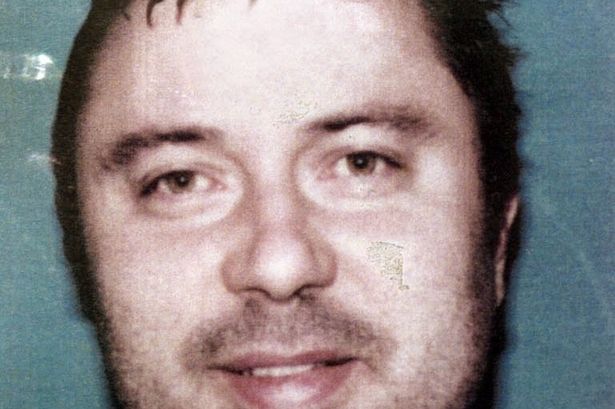 William Beggs(Image: EVENING GAZETTE)
Limbs in the Loch murderer William Beggs launched legal proceedings at Scotland’s highest civil court after prison staff refused to accept an Amazon delivery for him. The killer took the Scottish Prison Service to the Court of Session over an incident which happened at HMP Edinburgh in December 2024.
Delivery drivers for the online retailer attempted to drop off “personal items” for Beggs at the jail. However, staff refused to accept delivery.
A legal opinion published by Court of Session judge Lady Hood on Thursday stated that Amazon weren’t an “approved supplier” at the prison. This prompted Beggs to make a complaint to prison authorities and then launch a legal action against the prison.
His objections lay with the prison’s policy on deliveries to inmates. Beggs claimed that the jail’s policy on deliveries breached his human rights.
The murderer believed that as he is an Irish citizen, he has a “protected characteristic” under the 2010 Equality Act of nationality. His lawyers argued that prisoners of a different nationality – such as Beggs – are placed at a disadvantage by the prison service’s policy on deliveries.
His legal team argued that such prisoners families are likely to live further away from the prison and might have to rely on sending deliveries to loved ones. The court heard that this meant that such prisoners are “prejudiced” by the policy and that it was unlawful.
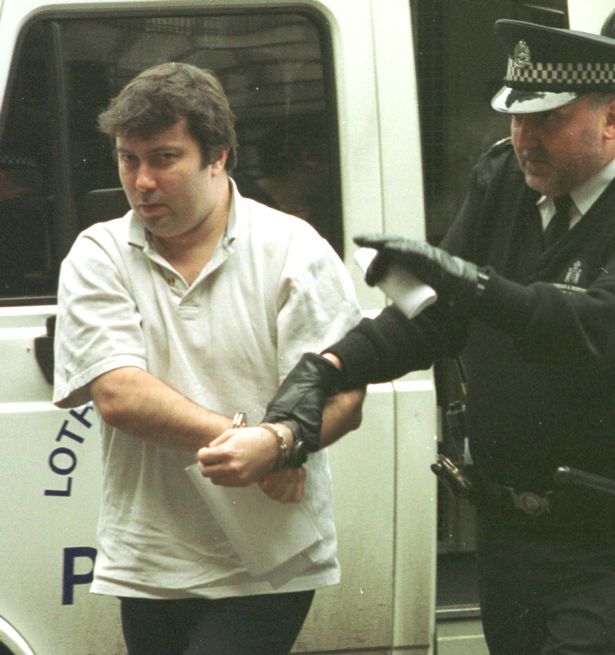 William Beggs during his trial for the murder of Barry Wallace(Image: Caledonia)
Lawyers for the prison service argued that the policy was lawful and that the action shouldn’t be upheld. In a written judgment published by the court on Thursday, Lady Hood upheld the arguments presented to her by the the SPS’s lawyer Michael Briggs.
She wrote: “I am therefore not persuaded that it has been demonstrated that the policy (with, or without, the possibility of seeking a discretionary exemption) puts those sharing the petitioner’s race at a particular disadvantage when compared with those who do not, nor of the petitioner having been put at that disadvantage.
“In any event, the respondent has shown that the policy is a proportionate means of achieving a legitimate aim. There was no dispute as to the legitimacy of the aim, which is the good governance of HM Prison Edinburgh, and the welfare of those detained there.
“The dangers posed by illicit items, in particular drugs, being introduced into HM Prison Edinburgh were serious and urgent. I shall therefore repel the petitioner’s first to fourth pleas-in-law and refuse the petition.”
Beggs is serving life after he was convicted of murdering teenager Barry Wallace in October 2001 at the High Court in Glasgow. Jurors heard how Mr Wallace had gone missing following a Christmas night out in his hometown of Kilmarnock, Ayrshire.
Jurors heard that Beggs took his victim to his flat in the town and subjected him to a serious sexual assault before murdering him and cutting up his body. The killer dumped Mr Wallace’s limbs and torso in Loch Lomond and his head in the sea off the Ayrshire coast.
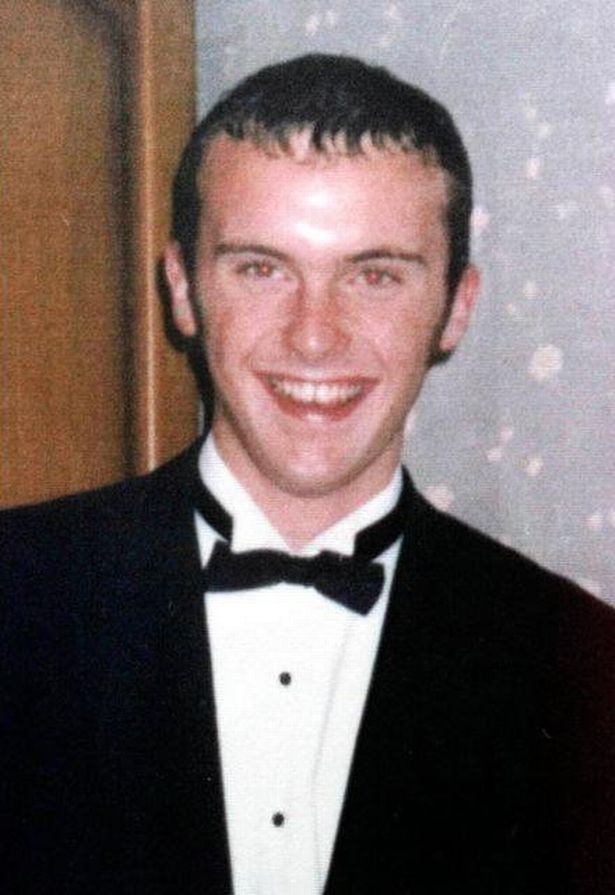 Barry Wallace(Image: Police Scotland / SWNS)
Beggs then fled to the Netherlands. He was extradited back to Scotland in January 2001. Since being convicted, Beggs who is thought to have been given almost £1 million in legal aid payments.
Judge Lord Brodie once described him as being a “very experienced litigant”. In the current action, Beggs’ objections stemmed from the policy adopted by staff at HMP Edinburgh.
It states that personal items can only be sent to prisoners if the deliveries are “pre-approved” using a pro-forma request. Parcels may be sent by post only if the prisoner has not received a visit in the last three months. The court heard that there were some exceptions to this.
Explaining the system, Lady Hood wrote: “The prisoner completes the pro-forma which is handed to an officer in their hall, where it will be scanned and sent to the prison reception.
“It will then be considered whether authorisation is to be granted. At any one time, prisoners may have one “live” pro-forma. There is no time-limit on how long the pro-forma will remain “live”.
Join the Daily Record WhatsApp community!
Get the latest news sent straight to your messages by joining our WhatsApp community today.
You’ll receive daily updates on breaking news as well as the top headlines across Scotland.
No one will be able to see who is signed up and no one can send messages except the Daily Record team.
All you have to do is click here, select ‘Join Community’ and you’re in!
We also treat our community members to special offers, promotions, and adverts from us and our partners. If you don’t like our community, you can check out any time you like.
To leave our community click on the name at the top of your screen and choose ‘exit group’.
If you’re curious, you can read our Privacy Notice.
“The property covered by the pro-forma may be handed in at the prison gate. Alternatively, if a prisoner has not had any visits in the last 3 months, the property may be sent as a parcel. Where a prisoner requests the delivery of property by parcel, the approved pro-forma is allocated with a reference number which requires to be clearly displayed on the parcel: parcels which do not display such a number will not be accepted.”
The court heard that on November 29 2024, Beggs asked a prison officer to scan a pro-forma request for items to be sent to him. Amazon then attempted to deliver the items on December 3 and December 4 2024 – but delivery was not accepted.
Lady Hood wrote that Beggs stated that “ultimately a family member re-ordered the items and delivered them personally while visiting the petitioner.”
Beggs sought legal orders stating that the policy was unlawful. Lawyers for the prison service argued that it was lawful and designed to stop illicit drugs being delivered to the jail. Lady Hood threw out the bid.