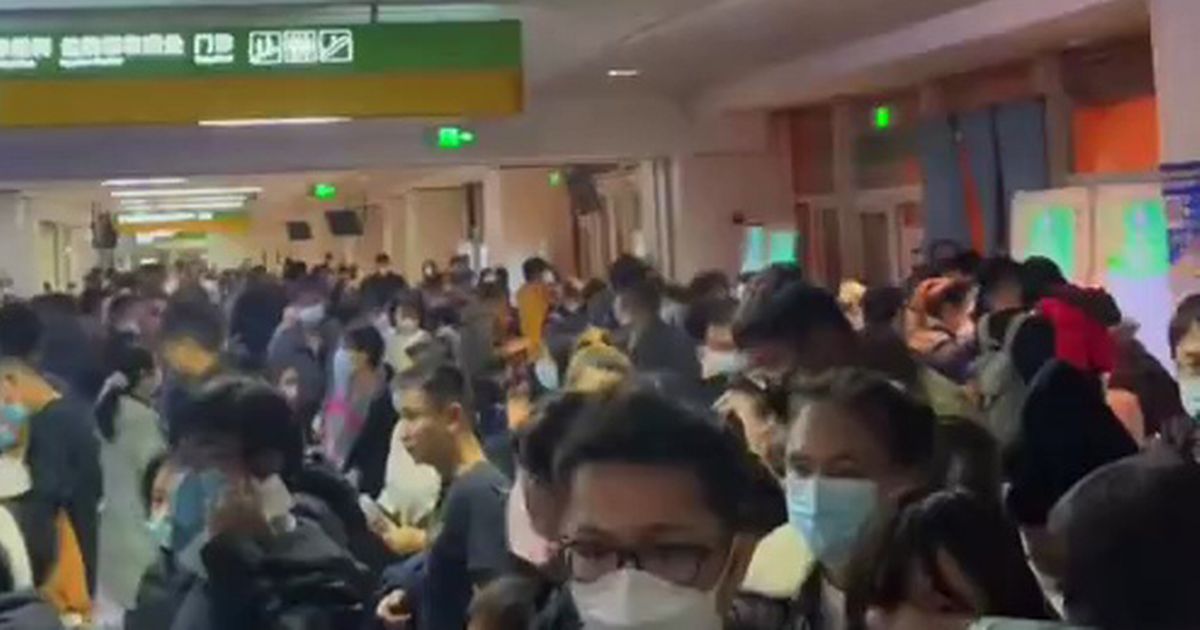
Hospitals across China are overwhelmed with patients battling an airborne virus across 17 provinces – with children among the hardest hit and the capital Beijing going through a peak flu period
18:49, 04 Dec 2025Updated 21:00, 04 Dec 2025
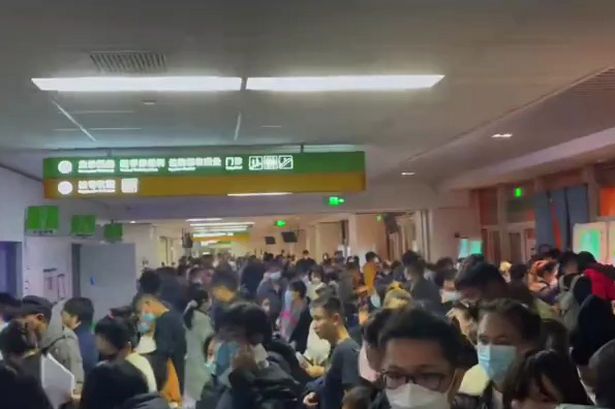 Hospitals across China have been hit with waves of patients battling fever and influenza prompting fears of a viral outbreak across the country.
Hospitals in China are fighting against high rates of the influenza virus which has been sweeping the country in recent weeks.
Reports from China of growing cases of the H3N2 influenza virus have hit the country, impacting multiple hospitals across the nation ranging from cities like Beijing and Tianjin to the provinces of Hebei, Henan, Guangdong, Fujian, Shandong, Shanxi and others.
The fears of an outbreak have been bolstered as Peng Zhibin, a researcher at the Center for Disease Control and Prevention of the Communist Party of China, announced China’s influenza infection rate had entered a stage of rapid rise in late November.
READ MORE: UKHSA says take ’20 seconds’ to protect against CovidREAD MORE: Flu surge as new more dangerous H3N2 strain spreading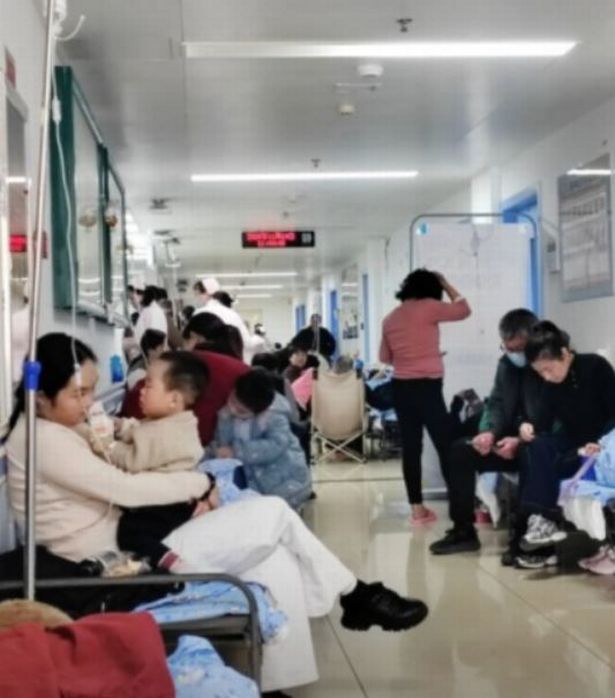 Numerous regions across China are thought to be effected by the recent virus outbreak including Beijing, Tianjin, Hebei, Henan, Guangdong, Fujian, Shandong, Shanxi
Chinese social media accounts have revealed what appear to be scenes of children waiting to be seen by medical professionals in corridors as hospital waiting rooms overflow with people.
Posting on social media, a Chinese user claimed: “On the evening of November 23rd, around 8 PM, I went to the Beijing Children’s Hospital, and didn’t get home until 1 AM. The flu has been so terrifying lately, all sorts of… all sorts of…”
Data from the Alibaba Health platform has revealed the number of influenza antiviral drug purchases has surged by 500% from November 10-21 triggering concerns of a larger imminent outbreak.
The harrowing images of overcrowded Chinese hospitals come coupled with reports that 17 provinces in China are seeing high influenza rates from the China Central Television (CCTV) and the Chinese Centre for Disease Control (China CDC).
The Beijing CDC said that the city has been experiencing a peak period of influenza activity – but adds that the upward trend is slowing down, Beijing Daily reported.
Dr Zhang Datao, director of the institute for infectious and endemic disease control at the Beijing CDC has confirmed the primary virus causing the surge of infections across the city was the Influenza A virus – also known H3N2. The health expert also confirmed no other respiratory infectious diseases have been observed alongside Influenza A as the primary cause of the seasonal outbreak.
The reports claims the virus outbreak has primarily impacted children among the ages of 5-14 as almost all of these outbreaks have occurred in educational and childcare settings. Official sources in China say one child has lost their life after being infected with influenza A.
 Patients were seen waiting to be seen in corridors in hospitals across China
Influenza A is an airborne flu-like virus with symptoms of high-temperatures, coughing, loss of appetite and general aches and pains.
In more severe cases the virus can cause pneumonia and can be fatal to individuals in high-risk demographics or with compromised immune systems. Dr Zhang has said the virus is prone to mutation triggering annual influenza outbreaks.
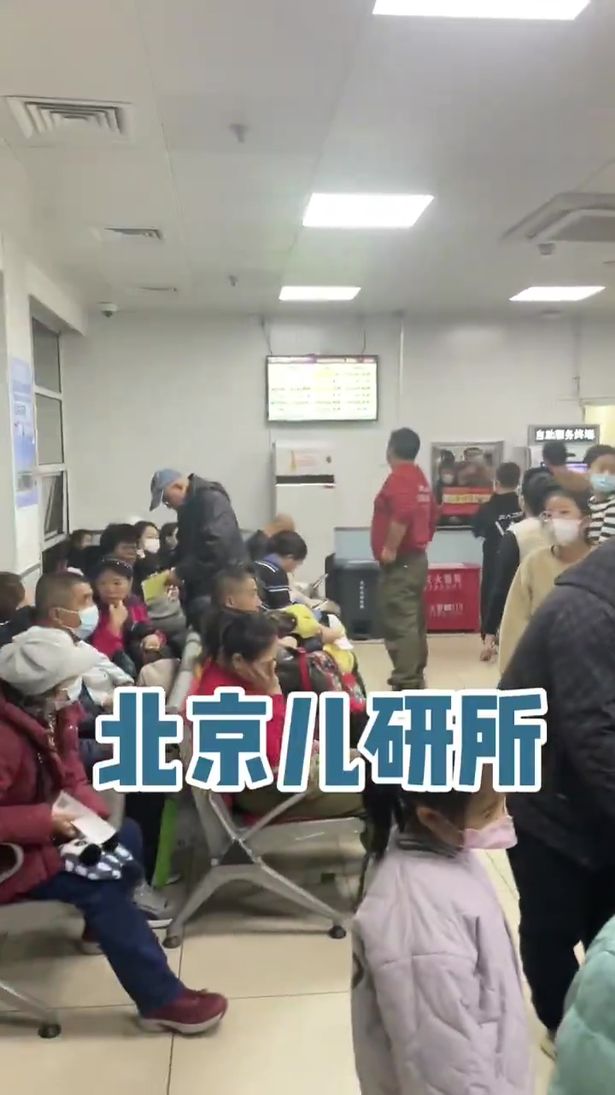 Seventeen provinces see high rates of influenza, says China’s Centre for Disease Control
However Dr Zhang added these outbreaks remain a seasonal epidemic and levels and do not imply progressively stronger evolution. To combat the rising influenza outbreak, China’s National Health Commission has instructed local authorities to expand medical service supply.
The new measures include bolstering outpatient appointment slots and extending service hours. Local medical authorities have also established extended hours clinics and have implemented evening and weekend clinics to meet the public’s health demands.
Despite the rising infection rates across China, the Chinese Center for Disease Control and the Communist Party of China have said currently no major mutations have been found in the H3N2 influenza virus.