Readers have plenty to say
David Prince and Plymouth Live readers
06:00, 06 Dec 2025
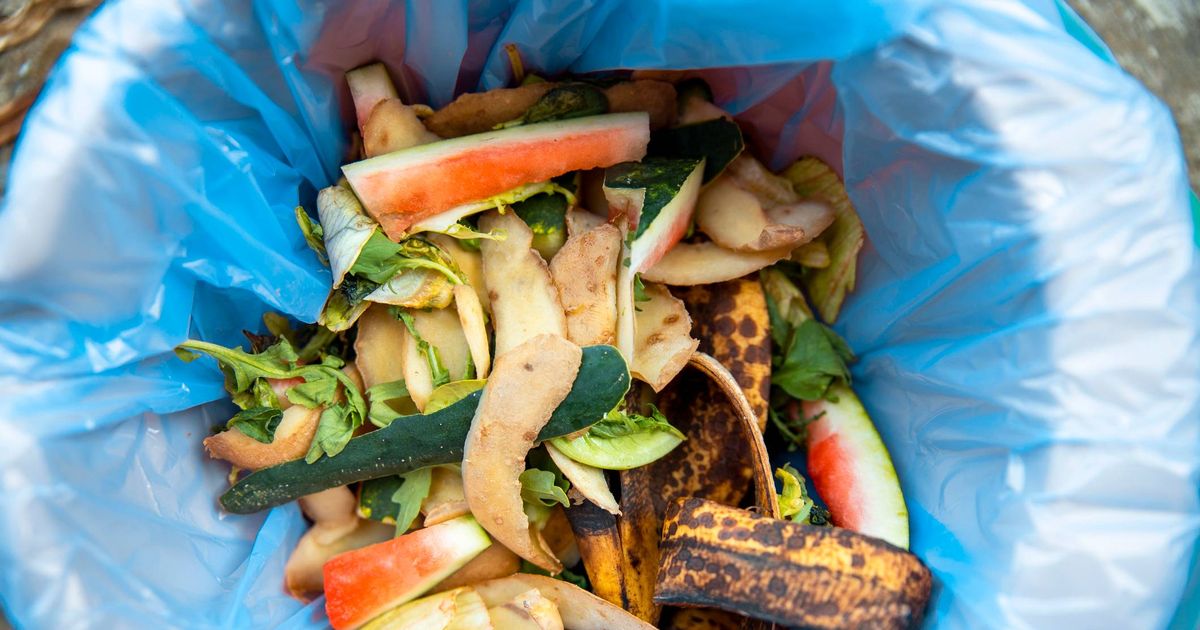
 Kitchen food waste collected in recycling compost bag(Image: Getty)
As Plymouth gears up to introduce weekly food waste collections, readers of Plymouth Live have been voicing their opinions on the potential implications for households, costs and the city’s broader waste contract.
The new food waste service, which is set to cost £4.2 million to implement over the coming years, is anticipated to boost the city’s underperforming recycling rate by as much as eight per cent.
Currently, around 37 per cent of the city’s waste is recycled, compared to a county average of 55 per cent, with many authorities already collecting food waste. Weekly food waste collections will become mandatory in April 2026, and in Plymouth, they will be gradually introduced from March to November, with Devonport, Plympton, Plymstock, Southway, Stoke and Whitleigh being the first communities to start.
Plymouth City Council’s cabinet is due to consider the business case for the roll-out at its meeting next Monday (December 8). The initial set-up costs have been covered by a combination of the council’s revenue reserves, borrowing and grant funding from Defra.
This has included ten new vehicles, food waste containers, staffing and an infrastructure upgrade of the council’s Prince Rock depot. So far, Defra has contributed £2.5 million towards the scheme but has not yet confirmed ‘New Burdens’ funding, which was expected in the summer, for the ongoing costs of the project.
Provision has been made in the council’s medium-term financial plan to meet an estimated funding gap of £500,000 a year from 2026/27.
The council has stated that the budget will be revised once government funding is confirmed.
Food waste collections will form part of a broader strategy to enhance recycling rates, which includes bringing back the recycling officer position and ramping up public engagement and targeted communications to address areas of the city with low participation and high contamination levels.
One commenter, Ndpsfa, argues: “Collecting food waste is not a new idea. It is something in place 70 YEARS AGO when all schools had their food waste collected each week , usually by a co-operative of local pig farmers . As time progressed, this system was totally withdrawn from all schools due to Health and Safety concerns due largely to incorrect preparation of the food waste for the pigs.
“This withdrawal was led by the government who became very concerned about the Health and Safety issues. So, what has changed now to improve the collection and usage of food waste and has the general public been informed about the systems that are going to be used? IF NOT – WHY NOT?”
Taz8 states: “Beyond the obvious waste of money, I’m not overly bothered by this. I’m not interested in participating. So when they attempt to deliver the new bins, they will be politely refused, and life will continue then as now. Don’t forget this is discretionary, not mandatory.”
While over on our Facebook page – Dennis Palfrey comments: “The food waste produced goes to the anaerobic digester plant outside Plymouth where it is broken down none food is separated IE plastic bags, etc then food waste ends up in very large tanks where the bacteria gets to work and produces methane gas, which runs to very large generators which produce electricity for the plant and a fairly large dairy product factory next door which is very well known ice cream producer, etc.
“Then the excess electricity is fed into the national grid. Then the final waste product is sold to farmers to use a fertiliser which being from food waste is totally natural fertilizer. The cost of disposing of food waste is I believe well over a £100 a ton, less than throwing it into the incinerator at Weston Mill, which is where it currently goes. Food waste is currently the heaviest waste that we produce from our homes. Which in turn we as the taxpayer are paying for.”
Mark Bolt asks: “Will this be like the garden waste collection? Pay for it, and very rarely happens.”
Tina Reynolds says: “Is it just for plate scraping then, as all my veg peelings go in the compost bin and the dog and birds eat some things. This doesn’t seem to leave much for this food waste bin.”
Shay O’Brien writes: “Good idea, but I don’t wanna be paying extra. We pay council tax, and our council is rubbish.”
Let us know how you feel about the council spending £4.2million on food waste. Share your views in our comments section.