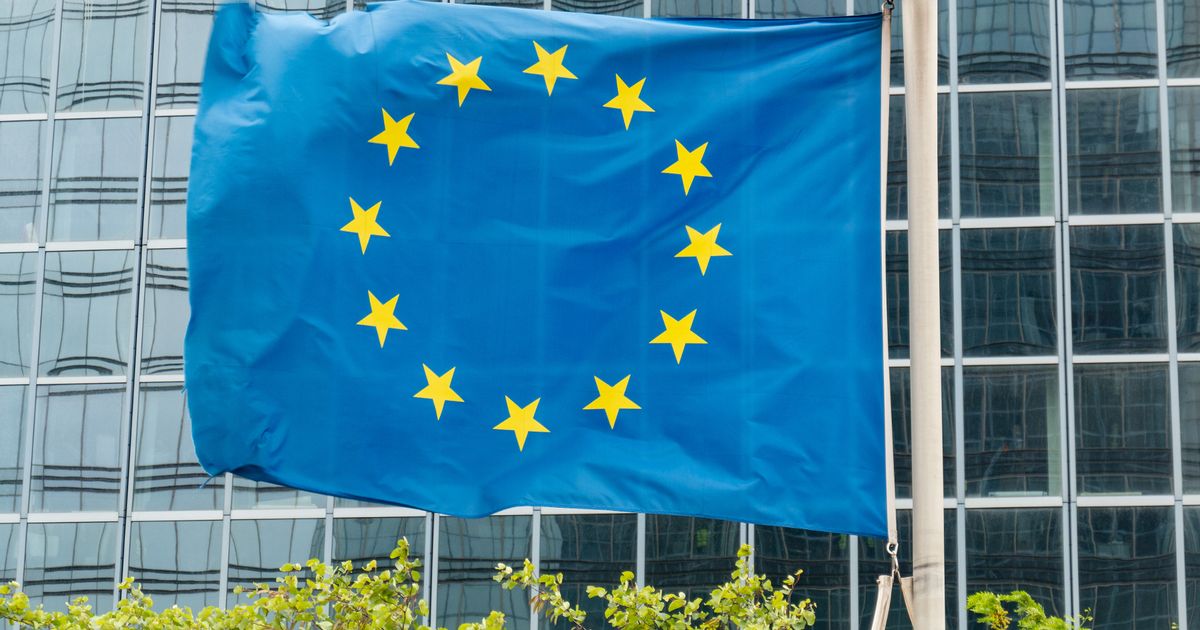
“If we’re going to be affected by EU decisions, then our political representatives should at least be able to speak into them.” On Monday MLA’s will debate calling for NI to be granted EU Observer Status(Image: Nicolas Economou/NurPhoto via Getty Images)
On Monday, MLAs will debate a Sinn Féin motion calling for Northern Ireland to get observer status in the European Parliament. If that sounds familiar, it’s because the SDLP made almost the same pitch last November as part of a wider motion about the future of our relationship with the EU.
At the heart of this is the democratic deficit created by Brexit. Northern Ireland didn’t choose to leave the EU, yet parts of EU law still apply here through the Windsor Framework. Local businesses follow standards set in Brussels. Consumers feel the impact of decisions made across the border. That’s the deal the UK struck, and Stormont has to live with it.
But living with it shouldn’t mean having no voice in it. That’s where observer status comes in. It wouldn’t change everything overnight, nobody is pretending it would, but it would give our representatives the ability to sit in the room, hear what’s coming down the tracks and challenge ideas before they become law. We wouldn’t have a vote, but we’d at least be present.
The SDLP made that argument last year in their usual detailed, technical style which looked at Erasmus access, funding opportunities, support for dual-market trade, and eventually, the question of representation in the European Parliament. Sinn Féin, as you’d expect, is more direct, tying observer status to their longer-term goal of rejoining the EU. But strip out the party dressing and both motions land in the same place. Northern Ireland is affected by the EU, so Northern Ireland should be able to speak to the EU.
None of this means pretending Brussels is perfect. The EU has its own special talent for producing rules that make people wince. The latest example is the idea of stopping vegetarian and vegan foods being labelled as “burgers” or “sausages,” supposedly to avoid confusing shoppers. The truth is, nobody is standing in a supermarket thinking a “plant-based sausage” is secretly made of pork. Policies like that feed straight into the image of the EU as a well-meaning but occasionally ridiculous machine.
And that matters, because once people think an institution is silly, they become far less willing to defend it. It’s why the old “bendy banana” myth from the 1990s has never really died. It wasn’t true, but it felt true enough to stick. The same danger applies now and when the EU does something that seems pointless, it hands an easy win to the voices who want the UK to stay distant.
The EU has granted observer arrangements before. It’s not a wild or unprecedented idea. And Northern Ireland is already in a unique position of being inside the UK, tied into parts of the EU, balancing two systems because that’s what Brexit required. Having some form of representation appears to be common sense.
The real obstacle is political. The European Parliament can’t grant observer status on its own. It would need cooperation from Westminster, and the UK Government isn’t exactly known for its enthusiasm for anything that touches the Protocol or the Framework. But that’s not a reason to drop the idea.
Monday’s debate will absolutely fall into the usual party patterns. Sinn Féin will pitch observer status as part of a bigger constitutional picture. The SDLP will point out they argued for it first. Unionists will worry about the symbolism. But if we peel all that away, the basic point stands, and that is that Northern Ireland is governed by rules we didn’t choose, and still can’t shape.
It shouldn’t matter whether you voted Leave or Remain. It shouldn’t matter whether you want to rejoin the EU or don’t want to hear the word “Brussels” ever again. If we’re going to be affected by EU decisions, then our political representatives should at least be able to speak into them.
Observer status won’t fix every problem. But silence and sitting outside the room and hoping for the best is hardly a better alternative.
 Get political analysis and headlines from James McCarthy direct to your inbox
Sign up here for our Party Lines newsletter and get the latest political analysis and headlines from Belfast Live’s Political Reporter James McCarthy direct to your inbox twice a week.
For all the latest news, visit the Belfast Live homepage here and sign up to our politics newsletter here.