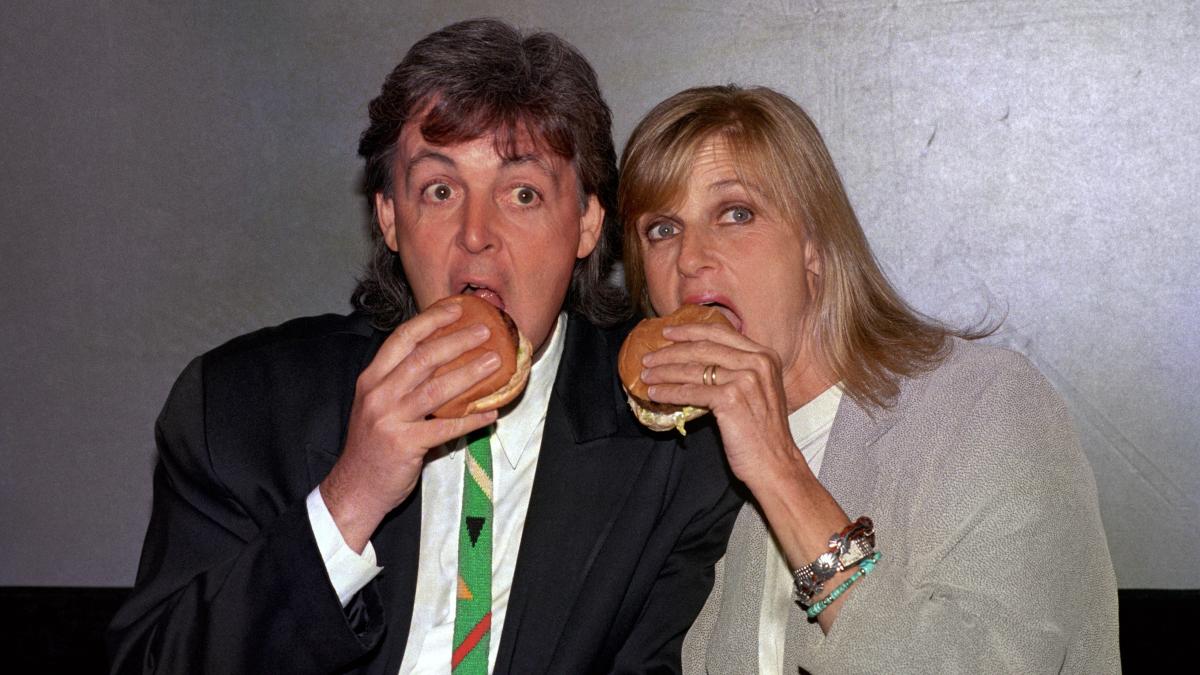
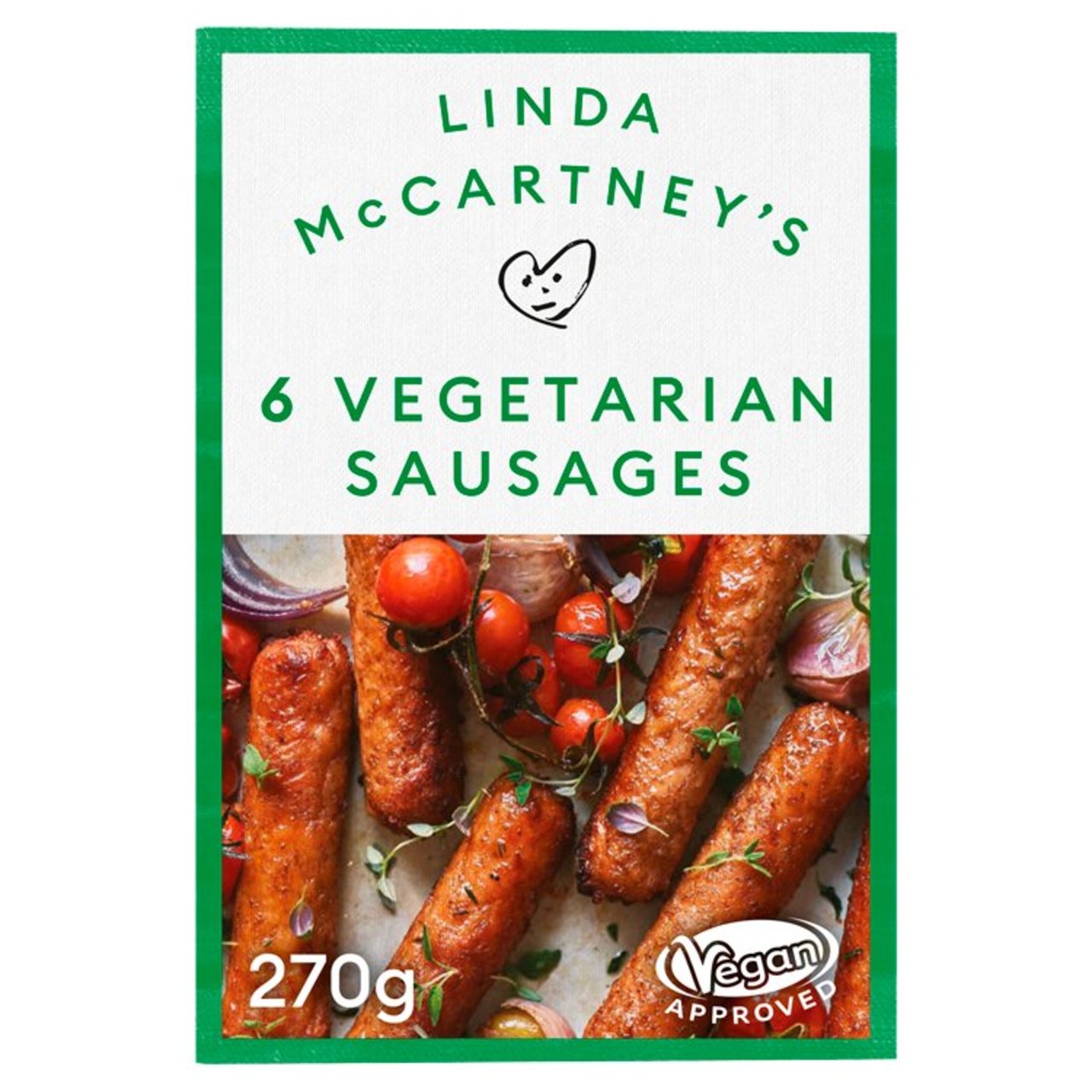
In 1991 Linda McCartney launched her vegetarian sausage, a product that her eponymous business still sells today. However, its right to use the word “sausage” is under threat.
Sir Paul McCartney’s late wife, who died of breast cancer in 1998, was a vocal vegetarian, and her family has joined a campaign to protect the right to use the word “sausage”, as well as “burger”, even if the foods do not contain any meat.
The European Union is proposing to ban the use of the two words if a food is plant-based. A decision could be made as early as Wednesday, prompting a cross-party group of MPs and the former Beatle to speak out.
Last night McCartney, 83, who has been a vegetarian since 1975, said: “To stipulate that burgers and sausages are ‘plant-based’, ‘vegetarian’ or ‘vegan’ should be enough for sensible people to understand what they are eating.
“This also encourages attitudes essential to our health and that of the planet.”
Linda McCartney Foods offers products such as “mozzarella burgers”, “vegetarian sausages” and “vegan Lincolnshire sausages”.
In 2009, McCartney and his two daughters with Linda — Mary and Stella — launched the Meat-Free Monday campaign, encouraging people to skip eating meat at least one day a week to help animals, people and the planet.
Last night eight MPs, including Jeremy Corbyn, sent a letter urging European commissioners to drop the proposed restrictions because the “ban could increase confusion” and “undermine economic growth, sustainability goals, and the EU’s own simplification agenda”.
The letter, seen by The Sunday Times, said: “We write as members of the UK parliament to express our deep concern regarding the proposed ban on everyday, well-understood food terms such as ‘burger’, ‘sausage’ and similar descriptions, when used for plant-based products … Research consistently shows that consumers intentionally choose plant-based alternatives and do not confuse them with animal meat.”
The letter, which as well as Corbyn is signed by Green Party MP Sian Berry, also states that it is supported by the McCartney family.

The McCartneys in 1973
MICHAEL PUTLAND/GETTY IMAGES
The European parliament voted for the ban in October with 355 votes in favour and 247 against, after lobbying by the livestock industry.
Céline Imart, a centre-right MEP and cereal farmer from northwest France, drafted an amendment to legislation to strengthen the position of farmers in the food supply chain. “A steak, an escalope or a sausage are products from our livestock, not laboratory art nor plant products,” she said. “There is a need for transparency and clarity for the consumer, and recognition for the work of our farmers.”
The European Commission and the governments of the 27 member states will now decide whether it becomes law. If it does, the UK government believes it will also apply to British businesses — despite Brexit.
The MPs’ letter says: “Although the United Kingdom is no longer a member of the European Union, our markets, companies, consumers and regulatory conversations remain closely intertwined. Decisions taken at an EU level continue to influence global norms, international trade and the direction of sustainable food innovation.”
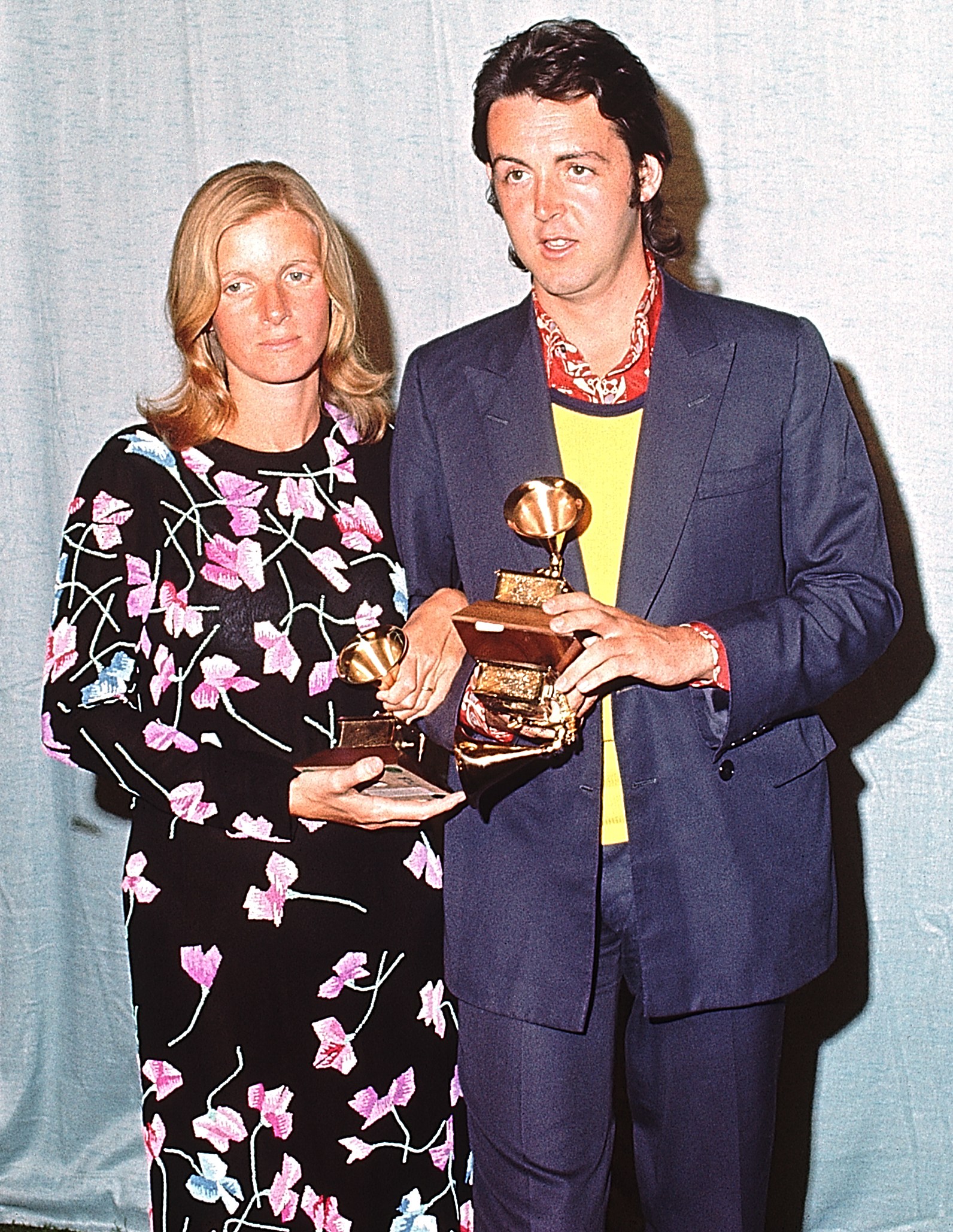
The couple at the Grammy awards in 1971, when McCartney accepted the prize for Let It Be
GETTY IMAGES
The letter goes on to cite research that states consumers across Europe understand plant-based terminology and “overwhelmingly understand and support current naming conventions” such as “veggie burger”.
They argue that banning the words risks confusing shoppers, imposing extra costs on producers, reducing competitiveness and hampering the progress of alternative protein as a tool in cutting carbon emissions.
Jenny Canham, of the Vegetarian Society, said: “Terms like ‘burger’ and ‘sausage’ have been used for plant-based foods for decades, and consumers clearly understand them. These familiar terms let shoppers know exactly what products they’re buying and how to cook and enjoy them. They’re not misleading.
“At a time when ethical and sustainable food choices matter more than ever, this is the opposite of what we should be doing.”