City status in the UK has always worked a little differently compared to other countries. While many places around the world become cities because of their size or population, the rules in Britain are far more historic and unusual. For generations, people believed a place needed a cathedral to gain city status, although that has never been an official requirement.
There are several places across the UK that are classed as cities despite having no cathedral at all. But there is one very small community that does have a cathedral, and this unusual feature is what makes it a city. In fact, it is the second smallest city in the country just after St Davids, with an estimated population of just over 3,000 in 2025.
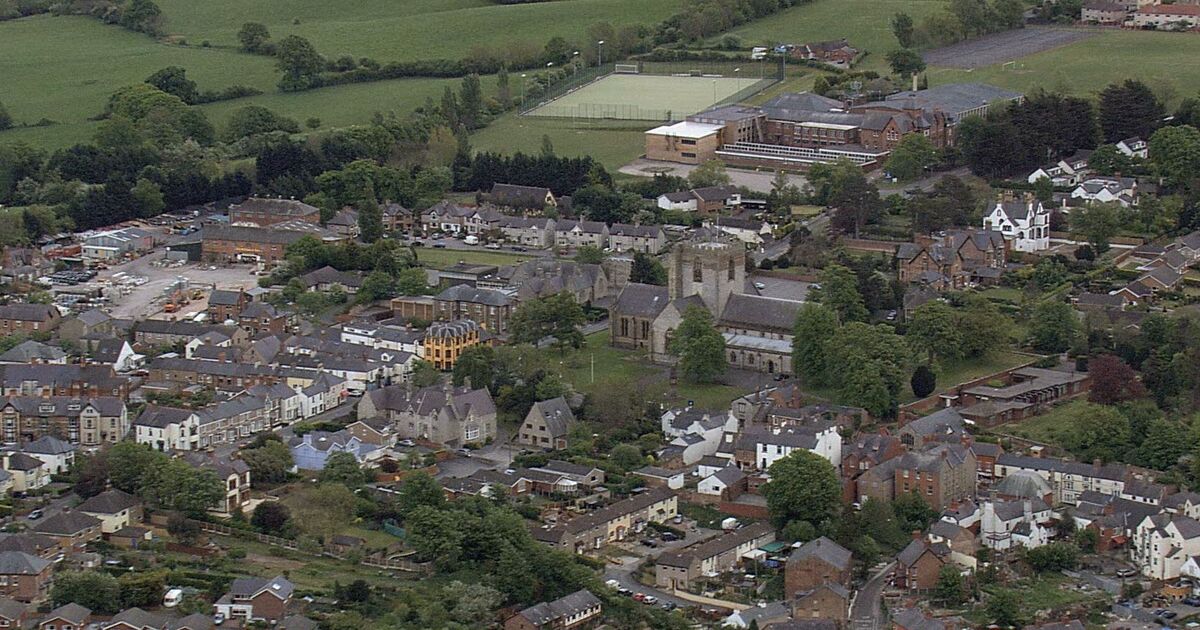
That place is St Asaph. St Asaph lies between Denbigh and the coastal town of Rhyl in North Wales.
The cathedral is the reason it holds city status, and it remains one of the most important landmarks in the region.
The city’s official website says St Asaph “continues to hold significant relevance in Denbighshire and the wider North Wales region”.
It adds that its long history and central role in the church have shaped the area for centuries.
Today it is known as a quiet residential city with good amenities and a strong sense of community.
Its location has helped it grow in recent years. St Asaph sits close to the A55, giving residents quick access to Chester, Liverpool and the wider North Wales coast.
The city is often chosen by people who want countryside surroundings while staying connected to nearby towns and cities.
New housing developments have also boosted the population, with families moving into the area for local schools such as Glan Clwyd Secondary School and St Asaph VP Primary.
Nature is another part of everyday life in St Asaph. The River Elwy runs through the city, offering riverside walks and scenic views. Fishing and local nature trails also draw visitors who want to explore the Welsh landscape.
The cathedral itself is the city’s best-known feature. Visit Wales describes St Asaph Cathedral as “the smallest ancient Cathedral in Britain” with a long and varied history.
A Christian community was first founded there around 560AD by Saint Kentigern. When he returned to Scotland, he left his disciple Asaph in charge, giving the city its name.
The building has suffered repeated damage over the centuries. It was destroyed by forces loyal to Henry III in 1245 and again by supporters of Edward I in 1282.
After being rebuilt, it was burned during Owain Glyndŵr’s uprising in 1402. A storm in 1715 then brought down the tower.
Much of the cathedral seen today dates from the 14th century, although it was heavily restored during the Victorian period by architect Sir George Gilbert Scott.
Today it is a working place of worship and a popular visitor attraction. Services take place throughout the week, and the cathedral hosts concerts and cultural events.
Each September, it is the venue for the North Wales International Music Festival, which brings performers and audiences from across the UK.
Inside, visitors can see features such as “The Naked Christ” sculpture, the “Spanish Madonna”, and the William Morgan Bible, which is the first full translation of the Bible into Welsh.
Outside, the Translators’ Memorial marks the achievements of those who helped bring the Bible into the Welsh language. A small tearoom and gift shop also welcome visitors year-round.