08
Dec 2025
The European Union has agreed to withdraw trade benefits from countries that won’t accept migrants ordered to leave the bloc.
The new policy ties low-tariff access to cooperation on deportations.
Tying trade deals to migrant returns
The EU has finalized a new agreement allowing it to suspend trade benefits for countries that do not cooperate with the return of their nationals who are ordered to leave the bloc.
According to documents seen by POLITICO, the policy change means low-tariff access to the EU market can now be tied to the “readmission of that country’s own nationals” who have been classified as irregular migrants.
This marks a major shift in the bloc’s Generalized Scheme of Preferences (GSP), which for decades has provided reduced or zero tariffs for developing countries.
The reform comes after three years of negotiation and was agreed upon by negotiators from the European Parliament, Council of the EU, and European Commission.
Migration now a trade issue
The updated regulation will allow the EU to “temporarily” withdraw trade preferences “in case of serious and systematic shortcomings” related to a country’s international obligation to take back its citizens.
A press release from the Council of the EU stated that “GSP preferences may be withdrawn if a beneficiary country does not co-operate with the EU on the readmission of their own nationals.”
The measure is part of the broader review of the GSP, a policy first established 50 years ago to support economic development in poorer countries.
While the GSP has traditionally been tied to human rights, labor, and environmental standards, the inclusion of migration cooperation introduces a new dimension.
According to the agreement, the severity of trade consequences will depend on the level of development of the country in question. The decision to suspend trade perks will follow a period of dialogue and assessment.

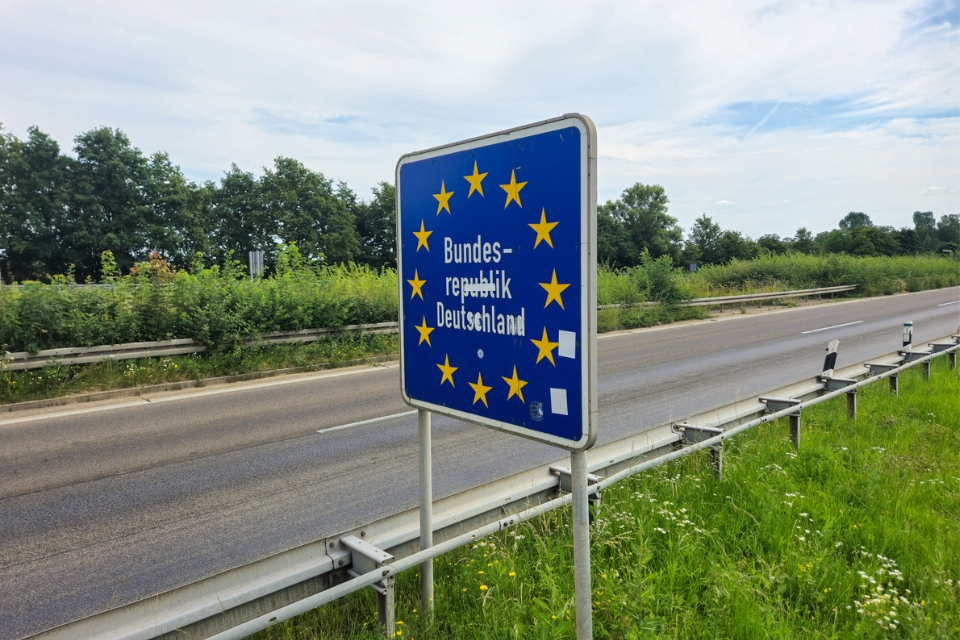
(Image courtesy of Victor Manuel Mulero Ramirez via iStock)
Deportations aren’t working
The policy change follows rising concern among EU countries that only a small portion of people ordered to leave are actually returned. As POLITICO reports, many deportations fail because the migrants’ home countries refuse to accept them back.
This has become a major political issue, particularly amid increasing support for far-right parties across the continent. These groups have called for tougher enforcement of returns and stricter migration rules.
The idea of using trade, development aid, and visa policies as leverage in migration negotiations has been discussed in EU circles for years. But until now, it had not been formally included in the GSP.
Rice deal nearly sank deal
Disagreements over rice imports from Asian nations nearly collapsed the negotiations, according to POLITICO. Some member states, including Spain and Italy, raised concerns that increased competition would hurt their domestic farmers.
To reach a compromise, negotiators included a safeguard mechanism: a 45% surge in imports, based on a 10-year average, will trigger a review and potential corrective measures.
This provision helped secure support from agricultural producers in southern Europe.
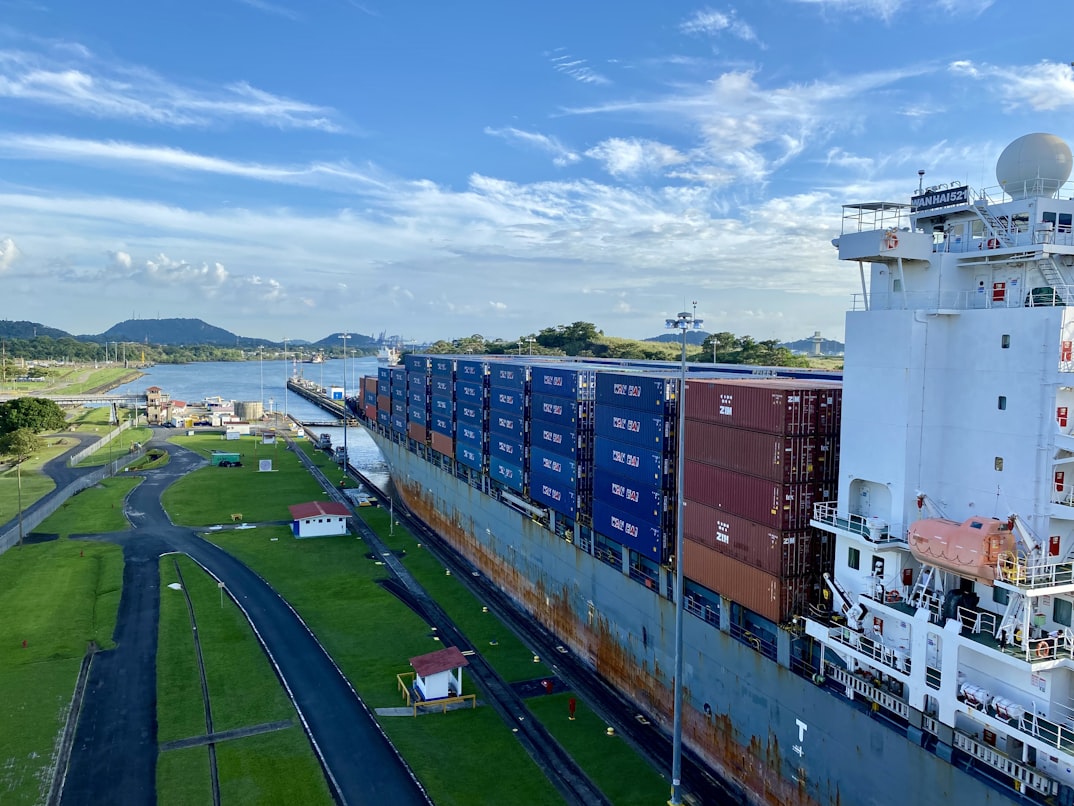
(Image courtesy of Rikin Katyal via Unsplash)
No country named, yet
The agreement does not name specific countries that may be affected by the new rules.
However, the EU has previously struggled to secure deportation cooperation from several governments in Asia and Africa, including countries that are major GSP beneficiaries.
Whether the EU will immediately act on the new clause or use it primarily as a negotiating tool remains unclear. The agreement allows flexibility in applying the rules based on economic context and diplomatic relations.
Border systems going high-tech
The trade policy reform arrives as the EU rolls out new border control technologies to better manage and track migration.
One of these systems is the Entry/Exit System (EES), which became operational on October 12, 2025.
The EES replaces traditional passport stamps with a digital system that registers when non-EU nationals enter or exit the Schengen Area. The system uses biometric data such as fingerprints and facial images to improve tracking and reduce overstays.
In parallel, the EU is preparing to launch the European Travel Information and Authorization System (ETIAS).
Beginning in late 2026, citizens from 59 visa-exempt countries — including the U.S., U.K., Canada, and Australia — will need to apply online for travel authorization before entering the Schengen Area.

(Image courtesy of Scoobers via iStock)
Security or pressure?
While the EU institutions argue that the trade and border changes improve policy coherence, the moves are not without criticism.
The proposals had previously faced opposition from the European Parliament, the Commission, and several national governments.
According to POLITICO, some officials were concerned that linking trade to deportation enforcement “would upend relations with key partner countries.”
Who gets cut off?
Once the regulation is formally adopted by both the European Parliament and the Council, the European Commission will take the lead in implementing it.
That includes deciding when and how to withdraw trade preferences, and which countries might be affected first.
As of now, no implementation schedule or public list of at-risk countries has been released.
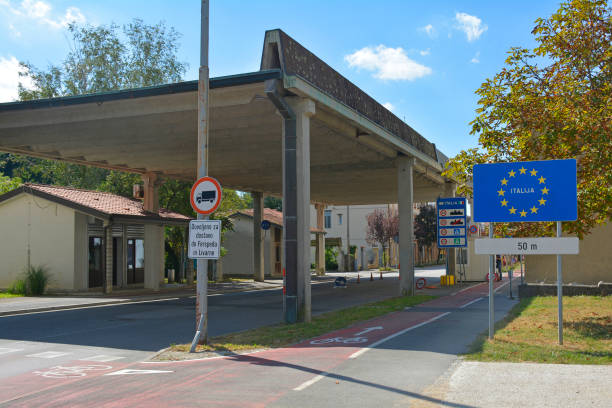
(Image courtesy of Dragoncello via iStock)
When trade rules mean real lives
The EU’s decision to link trade perks with migrant return cooperation marks a major policy shift. Countries that fail to take back their citizens after deportation from the bloc could now face real economic consequences.
By tying access to low-tariff exports to readmission efforts, the EU is sending a clear message: trade benefits come with responsibilities. This move reflects growing political pressure across Europe to tighten migration controls and to hold other governments accountable.
For countries affected, the choice is simple: cooperate on migrant returns or risk losing key trade privileges.
As the policy takes effect, it could reshape how the EU handles both trade and migration in the years ahead, and test how far economic leverage can go in shaping international cooperation on border control.
The EU trade perks withdrawal is no longer just a proposal. It’s becoming part of how Europe does business.