As Phil Foden wheeled away to celebrate within 60 seconds of kick-off at the Etihad Stadium, it felt conceivably like the beginning of Daniel Farke’s final week at Leeds United. The England international had dismantled any semblance of a pre-match plan by the manager and blew up his newly-installed left flank before many fans had even taken their seats.
The fear was, after five defeats in six games and two particularly insipid away trips, a wounded Manchester City would lay it on so thickly that Leeds’ morale could be irrecoverable. If United were to sink to a sixth defeat in seven matches, and by several goals, it may have been the catalyst for action in the boardroom or at least the precursor for a week of insurmountable misery at the hands of Chelsea and Liverpool.
Seven days on, the turnaround at Elland Road has been quite remarkable.
There was never any question the players were still fighting for their manager, but the results and points weren’t there. In a season where relegation is unthinkable for this ambitious ownership group, the further Leeds slipped behind the point-per-game average they need, the more enticing the trigger was going to look.
And yet, here they are, with arguably the toughest week of the season behind them, four points better off, outside the relegation zone and averaging one point per game once again. Between half-time in Manchester and full-time against Liverpool, Leeds have an aggregate lead of eight goals to five against three of the division’s most expensive squads. Chelsea were seen off 3-1 and Leeds climbed off the canvas to draw 3-3 with the champions, having trailed 2-0 and 3-2.
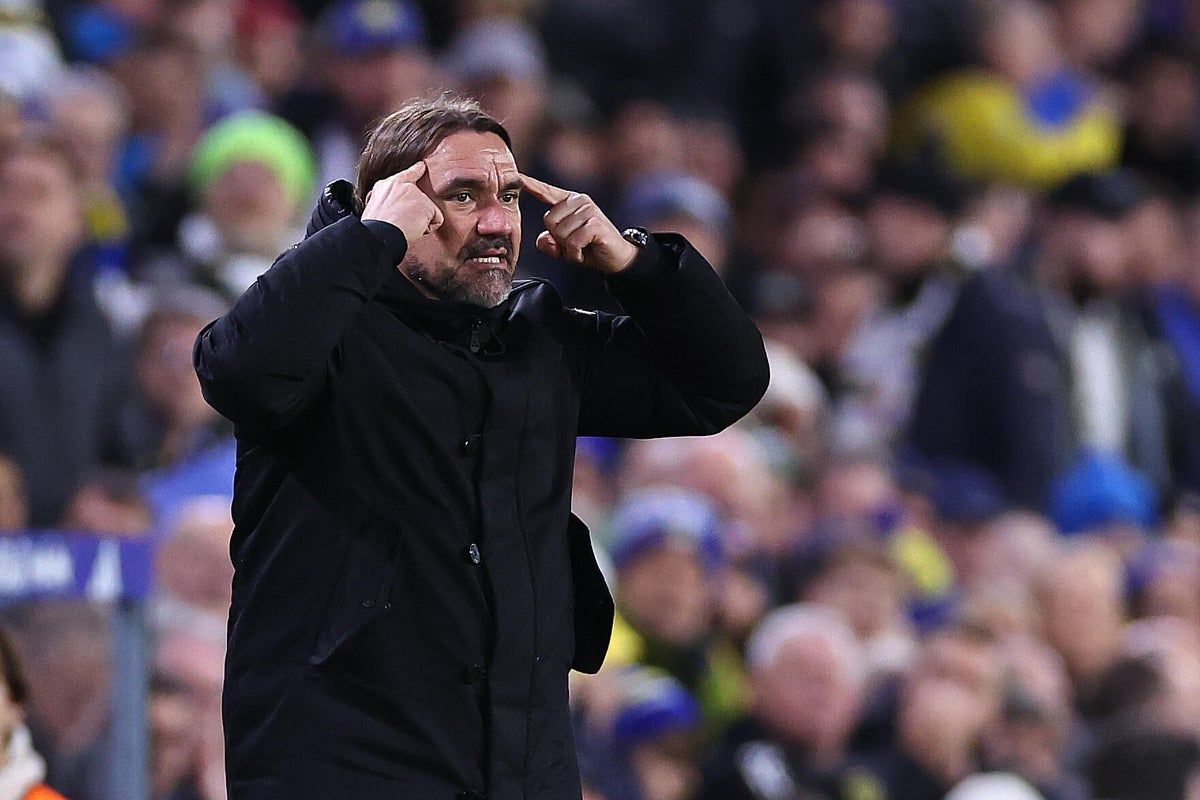
Farke’s gone from supporters audibly telling him he doesn’t know what he’s doing (following the home defeat against Aston Villa) to virtually cementing his mid-term position and, potentially, turning this season around across the seven days which could have feasibly ended his employment.
It’s proven to be a week of settling scores and ticking boxes for Farke, culminating in the madcap draw with Liverpool. Many of the frustrations with the German’s management have been dealt with head-on, to the extent lasting change feels possible in the time he has bought himself.
Farke wisely stuck with the 5-3-2, which had served the team so well in the previous one and a half matches, Noah Okafor replacing the injured Lukas Nmecha and Ilia Gruev picked in place of Ao Tanaka.
Leeds may not have found the same first-half breakthroughs they did against Chelsea but they remained defensively solid, allowing Liverpool few, if any, chances with the 65 per cent of possession they had.
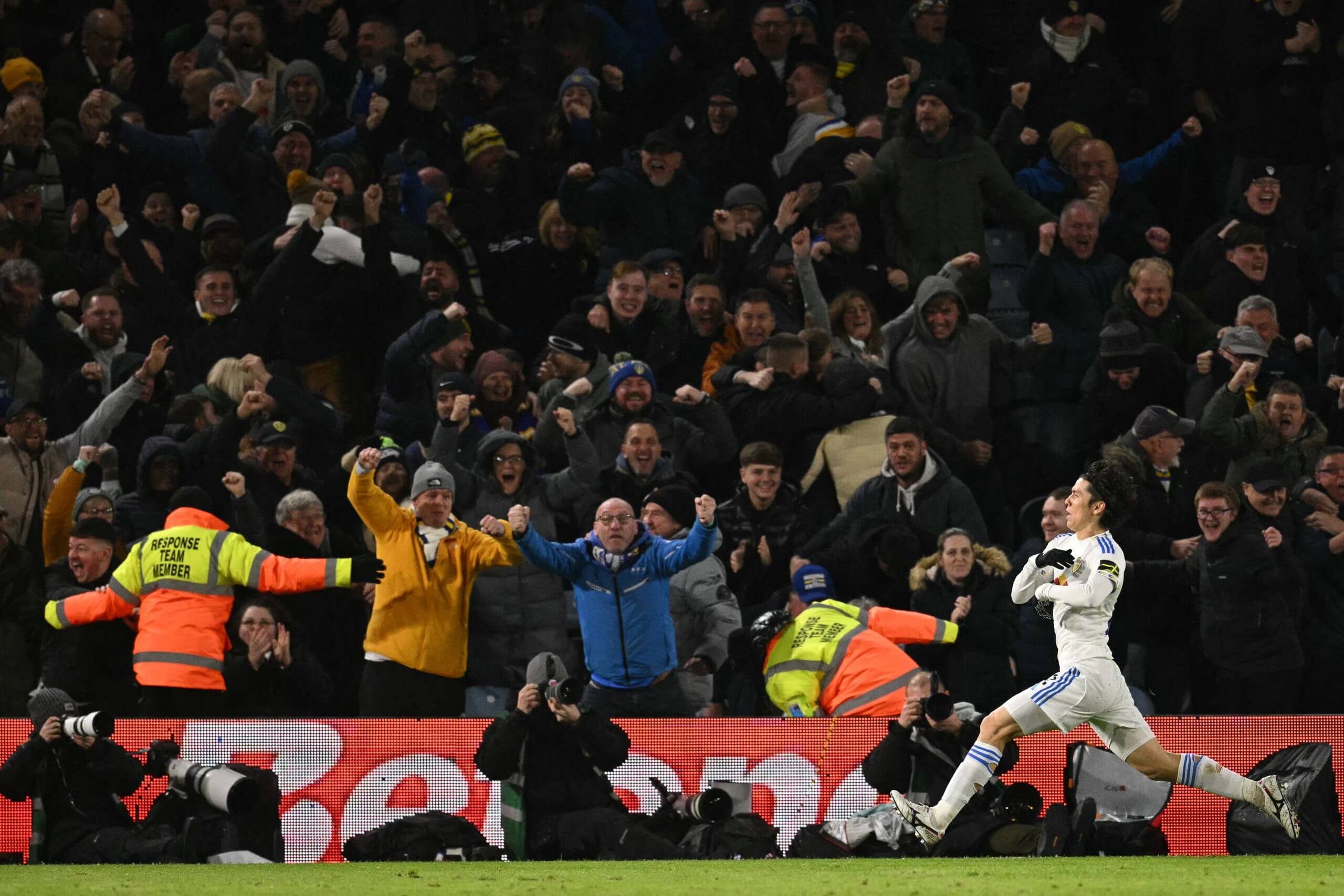
Ao Tanaka’s last-gasp equaliser sparked bedlam at Elland Road (Oli Scarff/AFP via Getty Images)
It required two errors across two minutes of madness, early in the second period, for Leeds to be breached. When you bear these self-inflicted concessions in mind, given what followed, it further reinforces just how competitive Leeds were against Arne Slot’s side.
However the goals came, they changed the flow of the match and asked Leeds to chase, stretching themselves out of the 5-3-2 block they were comfortable in. And this is where Farke deserves credit: he acknowledged he had to change the setup and executed it early enough to make a difference.
One of the criticisms levelled at Farke is the late, and sometimes ineffective, nature of his substitutions when it has been clear for a while the on-pitch plan is not working. Not only would he be decisive in making a triple-change, but all three substitutes would be directly involved in United’s three goals.
There was anxiety in pivoting back to the 4-3-3 which had struggled in recent weeks, but even that worked and shows Farke can have that as a real alternative in the weeks ahead. The impact made by Wilfried Gnonto, Brenden Aaronson and Tanaka put a neat bow on Farke’s transformative week.
These were seven days which started with irritation at Aaronson’s continued, ineffective selection. Farke changed tack having been accused of being tactically stubborn. He switched to a 5-3-2 at City and then read the room well enough to stick with it against Chelsea.
The manager was perceived to be too passive and reactive with his in-game management, often waiting until after the 70th minute to use his bench. He took that big half-time swing at the Etihad and followed it with this weekend’s triple-change in the 65th minute.

Brenden Aaronson, left, Wilfried Gnonto, centre, and Ao Tanaka all played their part after coming on against Liverpool (Molly Darlington/Getty Images)
There was anxiety about the lack of attacking threat the team was providing under Farke. They have since stuck eight goals past three teams with pre-season hopes of competing for the title.
Farke’s answered those questions, eased concerns, at least for now, and delivered results.
These matches were seen as reasons to be fearful and three thrashings would have left them in the bottom three, well behind the point-per-game average needed with morale in the gutter.
The eight days before Brentford may have been considered a generous window for a new face to get their feet under the table in Farke’s office, but it would be madness for chairman Paraag Marathe to make a change now.
This week does not give Farke a free pass to next May, but silences so many of the doubters gathering at his doorstep. History may view this week as the period in which he saved his job, and the week that turned Leeds’ season.