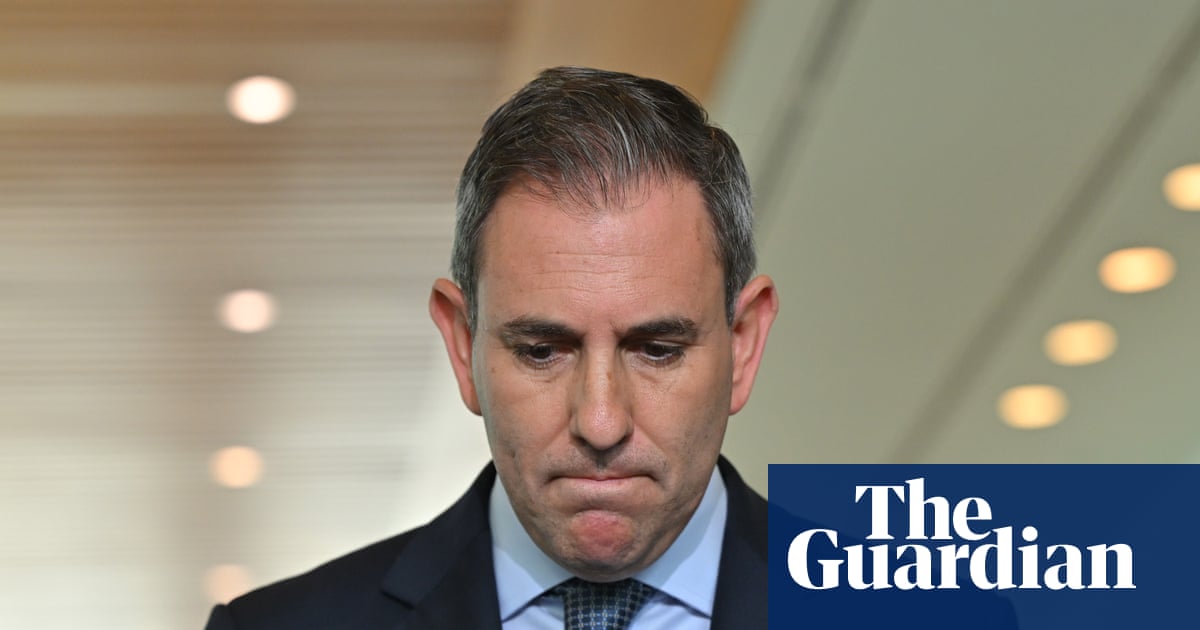
Jim Chalmers has foreshadowed more “difficult decisions” in next week’s mid-year budget update after cabinet decided not to extend billions of dollars in energy bill rebates into the new year.
The withdrawal of the power bill subsidies comes as the Reserve Bank’s monetary policy board mulls a recent rebound in inflation that could force the central bank to hike interest rates next year.
Pointing to the “intensifying” pressures on the nation’s finances, the treasurer set the scene for a barebones fiscal update that would contain no major new policy announcements.
“It’s not a mini budget, but there will be savings, and there will be difficult decisions, and one of them is around these energy rebates,” Chalmers said.
He flagged blow-outs in programs such as veteran affairs were weighing on the budget bottom line, as were higher-than-anticipated spending as a result of natural disasters.
“Yes, there are pressures on the budget. Yes, there will be difficult decisions and savings to be made, but overwhelmingly, that’s about making room for our priorities.”
With cost-of-living pressures still and by far the No 1 issue confronting voters, the decision puts an end to weeks of speculation that the government could be tempted to push through another round of power bill subsidies.
Sign up: AU Breaking News email
And while the RBA board is not expected to move the cash rate in its final decision for the year on Tuesday, the prospect of potentially higher mortgage costs in 2026 will weigh on families.
The energy bill rebates were first rolled out in mid-2023 to families and small businesses. Over the 18 months, the commonwealth will have spent nearly $7bn on the three rounds of subsidies, Chalmers said, with another $1.5bn in similar support packages funded by state and territory governments.
Economists backed the decision, saying it was sensible to end a policy that had outlasted its original defensible aim of shielding the most vulnerable households from the spike in global energy costs associated with Russia’s invasion of Ukraine in 2022.
Chris Richardson, an economic commentator, said there was “remarkably little to recommend [power bill rebates] as a policy”, especially when it was widened to include all families and not just those in the greatest need.
“It was pure political pork, as crispy as it comes,” Richardson said, adding it would have been “incredibly tempting” for the government to continue with the rebates.
skip past newsletter promotion
Sign up to Breaking News US
Get the most important news as it breaks
Privacy Notice: Newsletters may contain information about charities, online ads, and content funded by outside parties. If you do not have an account, we will create a guest account for you on theguardian.com to send you this newsletter. You can complete full registration at any time. For more information about how we use your data see our Privacy Policy. We use Google reCaptcha to protect our website and the Google Privacy Policy and Terms of Service apply.
after newsletter promotion
“Instead they have made the decision that the natural party of government should make in these circumstances.”
Ben Phillips, an associate professor at the ANU’s centre for social policy research, agreed the commonwealth rebates “should have gone earlier, but better late than never”.
“I’m not sure we have entirely slayed the inflation dragon, but the days of 7% or 8% inflation have disappeared,” Phillips said.
“Obviously the budget is looking tighter and the economy is not going too badly, so we don’t need fiscal stimulus.”
Anne Ruston, a Liberal senator, laid the blame for high power prices at the feet of the Albanese government, but declined to oppose the decision to end the rebates.
“What you’ve got to do is get down energy prices so that there’s no need for this, so that Australians can afford to pay their energy bills instead of finding themselves in a situation where every Australian family, just about, is struggling with the cost of living and every Australian business is struggling with the cost of doing business,” Ruston told Sky News.