
Listen to the article
3 min
This audio is auto-generated. Please let us know if you have feedback.
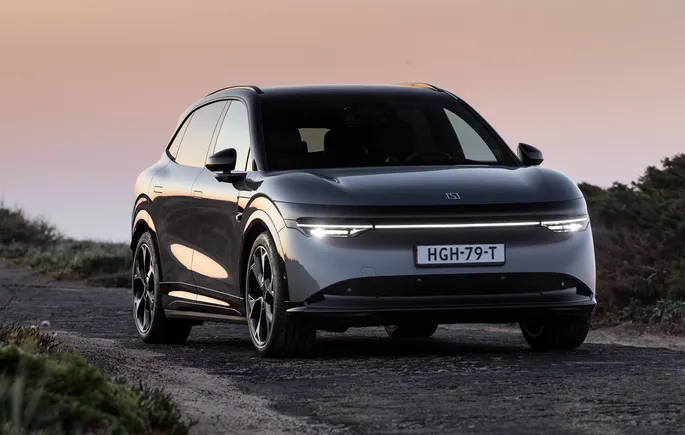
Chinese premium electric vehicle maker Zeekr has begun the biggest phase of its European expansion plans with the launch of sales in Germany this week.
While Zeekr Europe acting CEO Lothar Schupet told WardsAuto in an exclusive interview in October that its strategy will not depend on pricing, the brand will be bringing its three products currently available in Europe to Germany at very attractive prices.
According to Electric Car News, the automaker will be marketing its compact four-door X from €37,990 ($44,047), the midsize SUV 7X from €54,990 launched this year and the flagship shooting brake 001 from €59,990.
These compare to German prices for its sister Geely-owned Swedish brand Polestar 2 with a starting price of €48,990.
In an interview broadcast by the BBC Dec. 1, Schupet said the brand is now targeting Europe’s largest single automobile market both for traditional and EV sales.
“I think the consumer sentiment is now changing in terms of technology and in terms of product substance what they require,” he said. “We have recently done a study with fleet managers in Europe which says the Chinese car are now even better or at least at the same level as (those from) the traditional manufacturers, especially the one in Germany,” said Schupet.
He was also asked how he viewed a proposal mooted by the U.K.’s Chancellor Rachel Reeves during her Autumn Budget delivered on Nov. 26 that EV drivers could be taxed at a rate of £0.03p ($0.039) per mile from April 2028. ICE powered vehicles are currently charged through the nation’s fuel tax.
“We stand for accelerating the shift for sustainable mobility and think we all should work towards that direction. Also it means for governments and countries to support it,” said Schupet.
However, EV ownership is still being seen as cheaper than running internal combustion engine vehicles, according to comments emailed to WardsAuto by Maria Bengtsson, U.K. & Ireland Mobility Leader for the EY business consultancy.
She pointed out that even with the extra charge on EVs, the rate remains “significantly lower than the effective rate for petrol and diesel drivers,” said Bengtsson.
“That said, the additional £1.3 billion ($1.85 billion) of funding towards the Electric Car Grant should help offset some of the downside impact, making the EV transition more affordable for more households.”
The government also committed to an extra £200 million in funding towards the rollout of EV chargers across the country on top of a 100% business relief rate for businesses with EV charging points, said Bengtsson.
“The threshold for the expensive car supplement rising to £50,000 for electric vehicles, up from £40,000, may also make EVs more attractive to buy,” she said.
Another move announced in the budget is a delay to the expected changes to employee car ownership schemes which will now be implemented in 2030 with a two-year transition period, said Bengtsson.
“Details are still to be confirmed but this delay will be positive news for many auto manufacturers and dealers who often use these schemes to help support demand for ‘nearly new’ used cars,” she added.