By Chris Snellgrove
| Published 32 seconds ago
Pop quiz, hotshot: what do you think is the highest-rated Star Wars show ever made? You might think it’s Andor, the Emmy-winning live-action masterpiece, or maybe The Clone Wars, which used the clunky Prequel Trilogy to create years of animated excellence.
However, the Star Wars TV series currently ranked highest on Rotten Tomatoes is Star Wars: Visions, a show whose immense success is arguably due to its abandonment of canon in favor of creating more original stories.
The Star Wars Show With An (Almost) Perfect Score
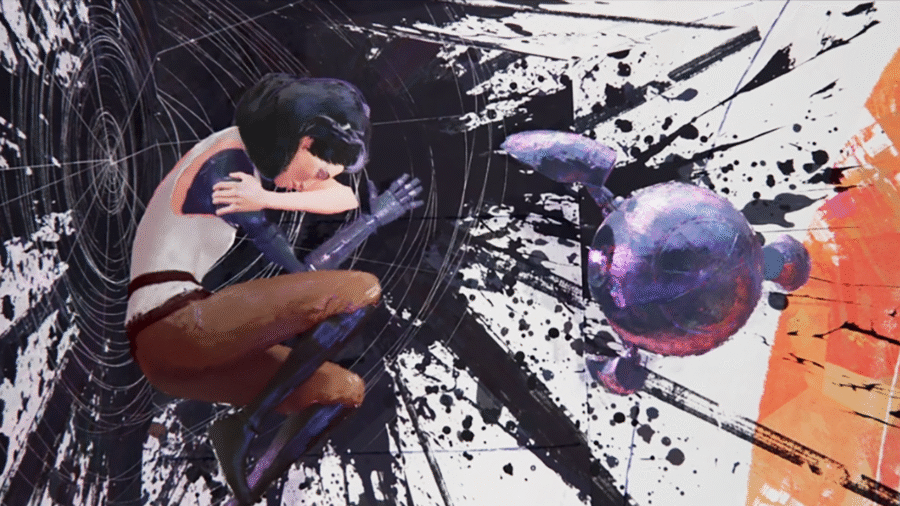
On Rotten Tomatoes, Star Wars: Visions has a score of 98 percent, down slightly from its previous perfect score of 100 percent. By comparison, Andor is hot on its heels with a Rebel-rocking rating of 96 percent. Beyond that, the next highest-rated Star Wars show is The Mandalorian, which found “the way” to a rating of 90 percent.
While some would say this is comparing apples to oranges (or maybe that should be lightsabers to blasters), Visions also has a higher rating than any Star Wars movie ever made. On Rotten Tomatoes, the highest-scoring films are A New Hope (94 percent), The Empire Strikes Back (93 percent), and The Force Awakens (93 percent). If you’re curious, the lowest-rated Star Wars movies are The Rise of Skywalker (51 percent) and The Clone Wars (18 percent), the absolutely awful animated film that kicked off the otherwise excellent The Clone Wars TV show (sitting pretty at 93 percent).
What Makes Star Wars: Visions So Good?
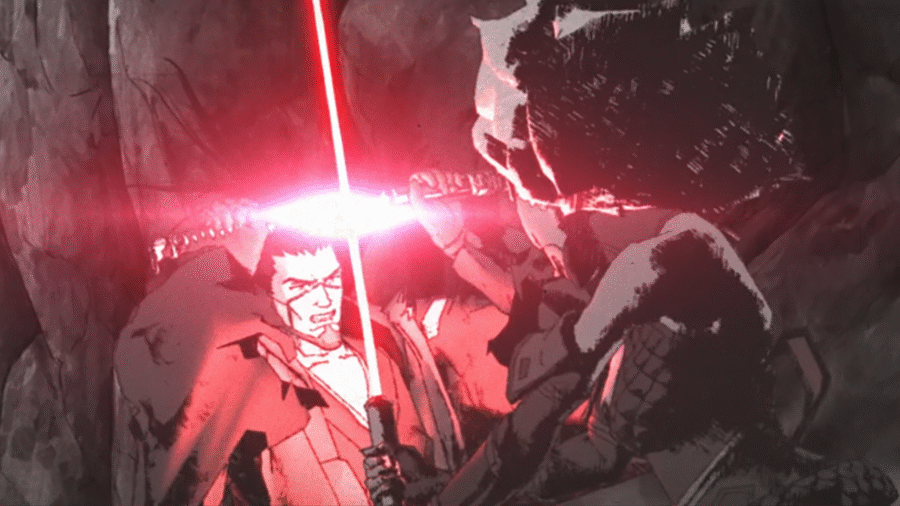
So, what is it that makes Star Wars: Visions the most popular show to ever come out of a galaxy far, far away? On the most basic level, critics and audiences alike have enjoyed the show’s stellar animation and top-notch voice acting. However, I think this show succeeds because of something the sci-fi genre could use much more of: anthology storytelling.
If you’ve never watched, Visions is not like other Star Wars shows (including Andor and The Mandalorian), where we follow a singular protagonist through episodic adventures. Instead, it is a series of short films created by different animation teams all around the world. That means that each episode packs a Hutt-load of Star Wars goodness into runtimes even shorter than Han Solo’s Kessel Run, leaving pretty much no downtime for audiences to get bored and disengage from the story.
The anthology format also means that if you don’t like a particular story or set of characters, you can skip ahead and find one more to your liking. The same can’t be said for other Star Wars TV: if you don’t like the titular star of The Mandalorian, for example, you’re not going to stick around for his single-dad adventures with Grogu. Similarly, someone who isn’t already a big fan of the titular star and her Rebels friends is unlikely to keep streaming Ahsoka.
Canon Fodder
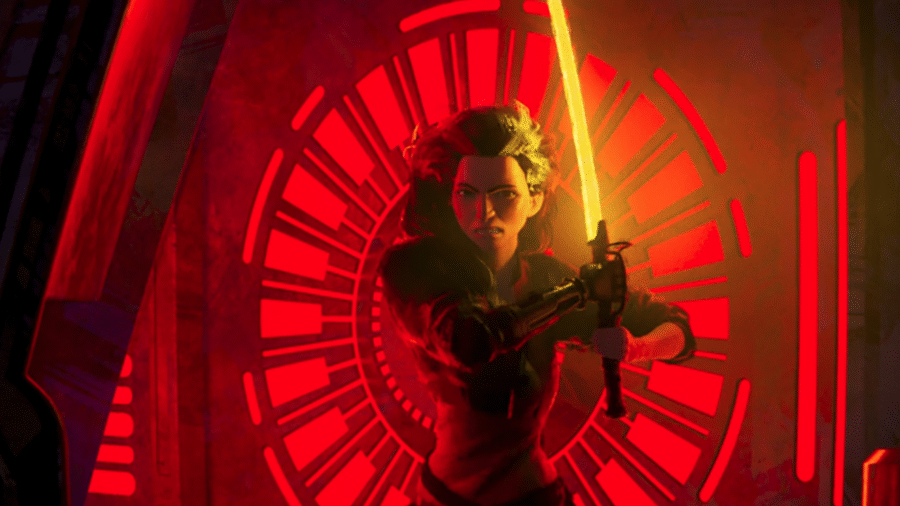
Star Wars: Visions also has another advantage that other shows in the franchise lack: namely, it is not canonical. The makers of each short film in this series were not bound by any existing plots, which is how we ended up with stories where the Empire is modeled after feudal Japan and where an ambitious droid learns how to use the Force. Just as the creators didn’t have to worry about Star Wars’ increasingly tangled canon, audiences don’t have to worry about where these episodes fit in and can just sit back and enjoy the show.
Hopefully, the success of this show will spur the creation of more Star Wars content that is not slavishly tied to the canon of a franchise that (real talk here) fewer people care about each year. This galaxy far, far away is at its best when creators, like George Lucas before them, have the creative freedom to bring even their wildest ideas to life. Unless executives grant more creators such freedom, this franchise will continue its slow decline, a trend that began the day Disney acquired the rights to the most popular sci-fi franchise on the planet.