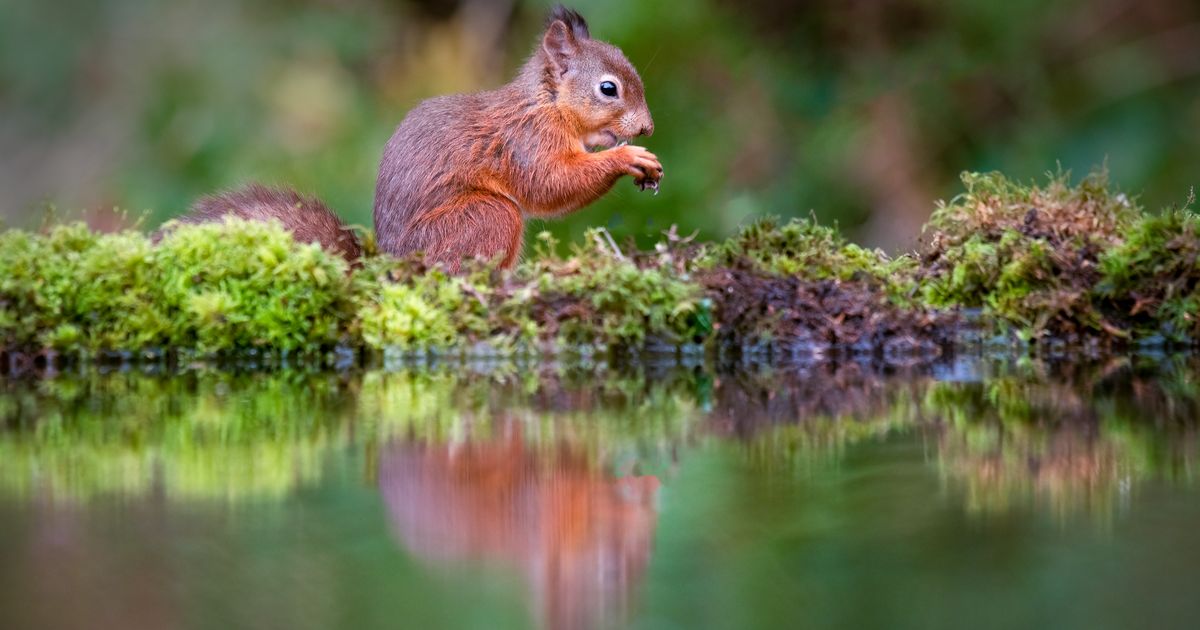
The red squirrel is an iconic Scottish species but their numbers have been in decline for decades due to the arrival of the grey squirrel.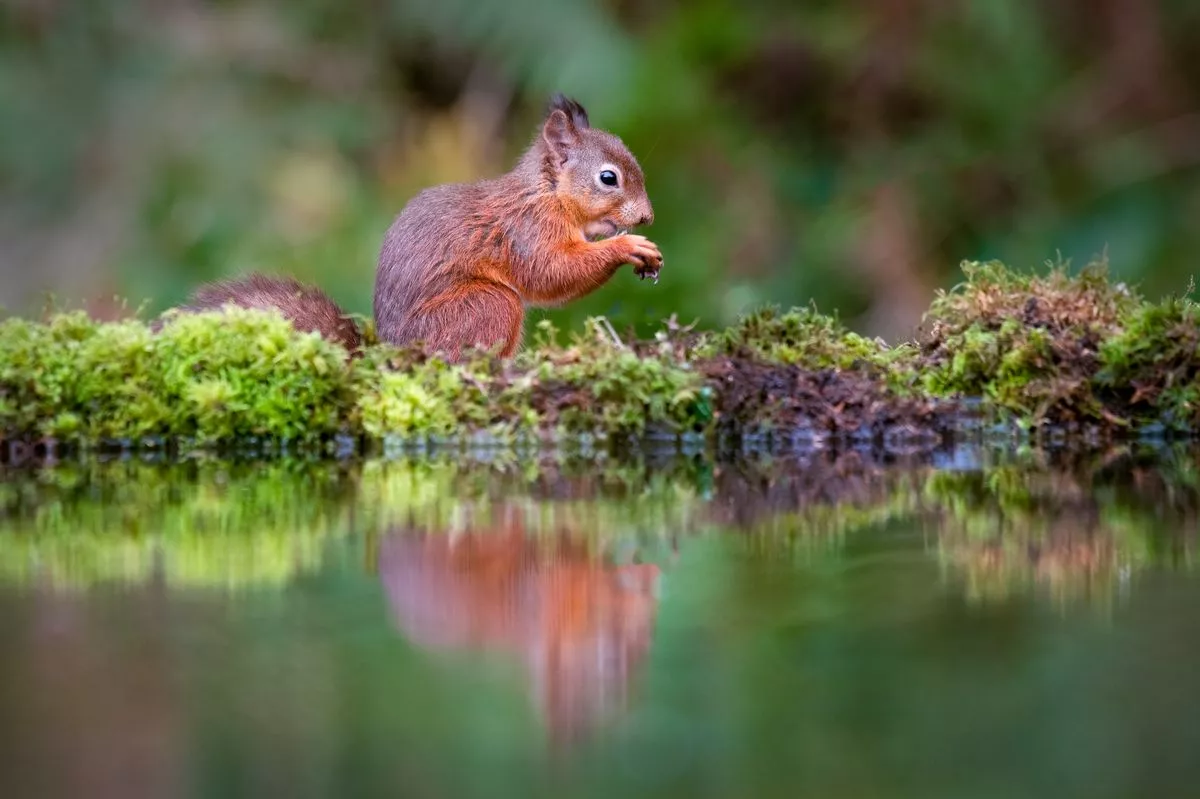 The red squirrel, an iconic Scottish species, has declined since grey squirrels were introduced from North America in the 19th century.(Image: Getty Images)
Scotland is privileged to be home to an array of remarkable wildlife, much of which can be found even in densely populated areas. With emblematic species such as Scottish wildcats, red deer, and golden eagles, it’s a paradise for animal enthusiasts.
One creature that is quintessentially Scottish is the red squirrel. However, their numbers have been severely affected by the invasive grey squirrel, which was introduced to Britain from North America in the 19th century.
These grey invaders compete with the native reds for food and carry the squirrelpox virus, which doesn’t affect them but can be fatal to red squirrels.
As a result, the indigenous red species has been pushed back, now largely confined to Scotland and northern England on the British mainland.
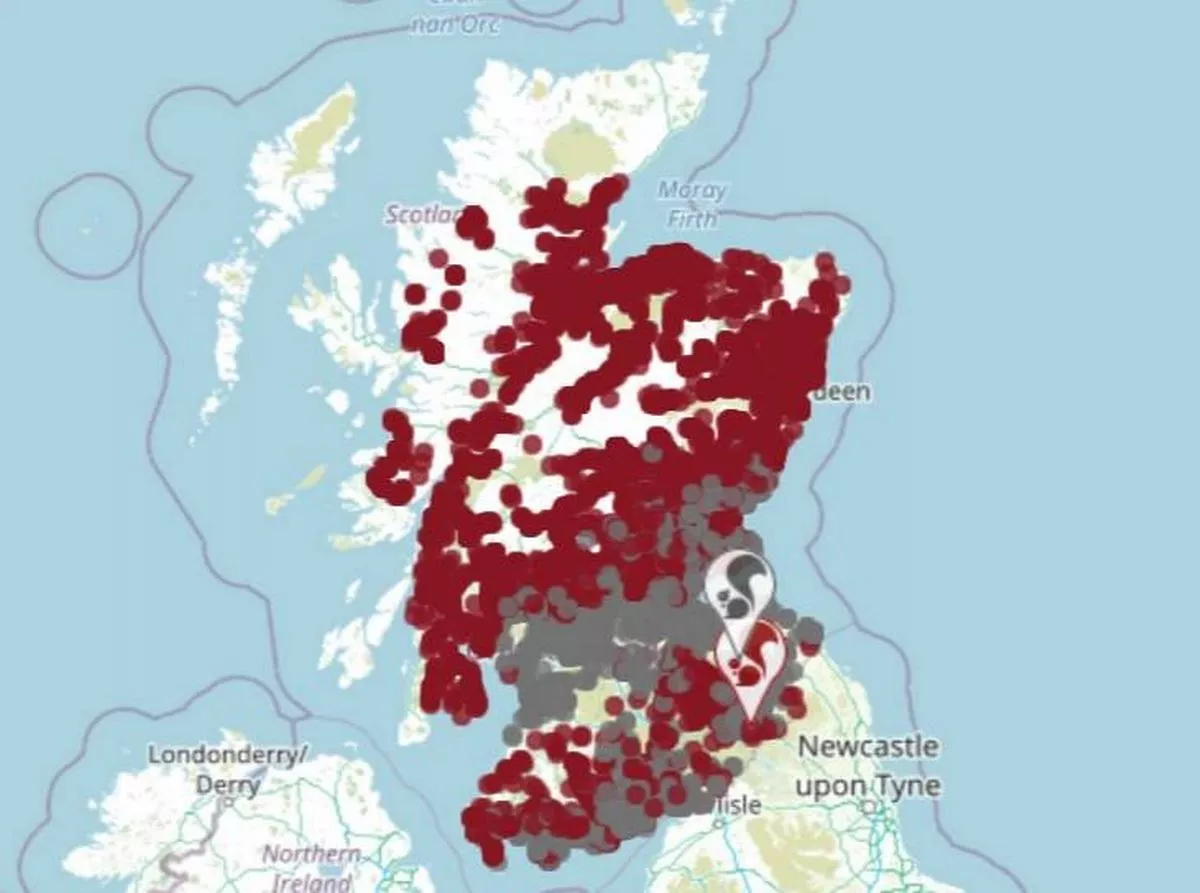 The Saving Scotland’s Red Squirrels map shows where the highest concentrations are based(Image: SSRS)
For years, efforts have been made to safeguard the red squirrels, and this year’s Saving Scotland’s Red Squirrels (SSRS) survey offers a hopeful outlook for these creatures.
Coinciding with Red Squirrel Appreciation Week and backed by survey partner, Trees for Life, the October survey aimed to provide a snapshot of squirrel populations across the country.
The public was urged to report sightings of both red and grey squirrels. Over 1,000 confirmed red squirrel sightings were reported, with the animals spotted everywhere from Sutherland in the north to Dumfries and Galloway in the south, except for the Central Belt where greys still hold sway, reports the Scottish Daily Express.
Perth and Kinross has been identified as Scotland’s red squirrel hotspot, accounting for over a fifth of all sightings. Other areas where the reds are making a comeback include Aberdeenshire and Aberdeen, particularly in urban gardens and parks.
The Moray Firth coast, Loch Lomond and the Trossachs, and the Dumfries and Galloway coast, along with the Borders area, have also seen a significant number of red squirrels.
Thankfully, sightings of grey squirrels were scarce north of the Highland boundary line, an area experts deem crucial in curbing their spread.
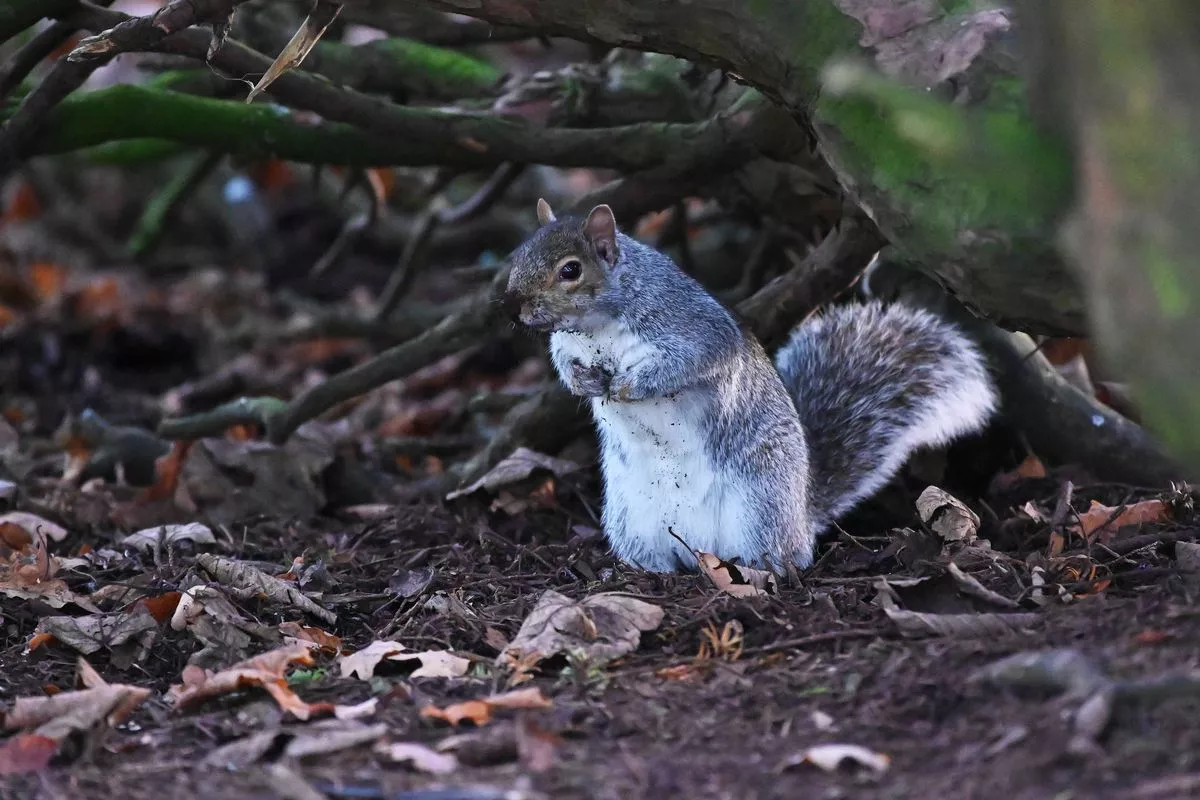 Grey squirrels, like this one pictured in Dunfermline, put the red population at risk(Image: Ken Jack/Getty Images)
Gail Turney, Programme Manager for Saving Scotland’s Red Squirrels, commented: “With over 1,100 participants, it’s clear the people of Scotland love red squirrels and find joy in seeing this iconic species on walks, in gardens and (with any luck! ) spotting them at our guided events.”
She added: “As well as providing us with really useful data, the Great Scottish Squirrel Survey also demonstrates how many people are passionate about red squirrels and are willing to do their bit to make sure there is always a home for them here in Scotland.
“Don’t forget, you can submit your squirrel sightings all year round, we love to hear about them.”
SSRS utilises public sightings data throughout the year to inform its monitoring and control efforts, all aimed at protecting red squirrels and expanding their habitat.
Steve Micklewright, Chief Executive at Trees for Life, highlighted the importance of community involvement: “Sightings from the Highlands, particularly in the north and west, provide vital data and insight into the new and expanding red squirrel populations. Thank you to everyone contributing to the protection and restoration of these iconic animals.”
Members of the public can log their squirrel sightings on the SSRS map at Scottish Squirrels website.