The next generation
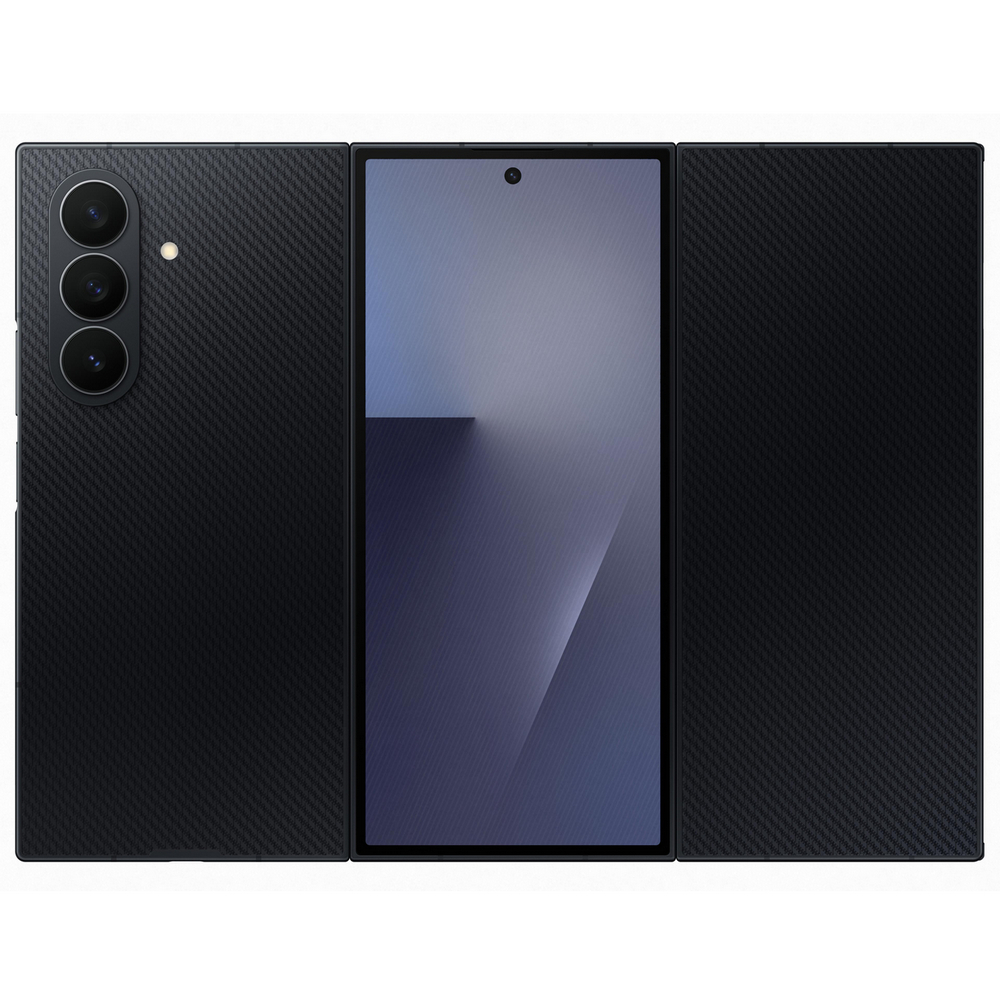
Featuring a massive 10-inch foldable display, a solid camera system, optimized software experience, and faster charging, the Galaxy Z TriFold is the benchmark for foldables of the future.
Pros
- Huge 10-inch inner display works equally well for work and fun
- Bigger battery with faster wired charging
- Enhanced software experience
Cons
- Still comes with previous-gen silicon
- Unlikely to have S-Pen support despite having a big screen
The reigning champion
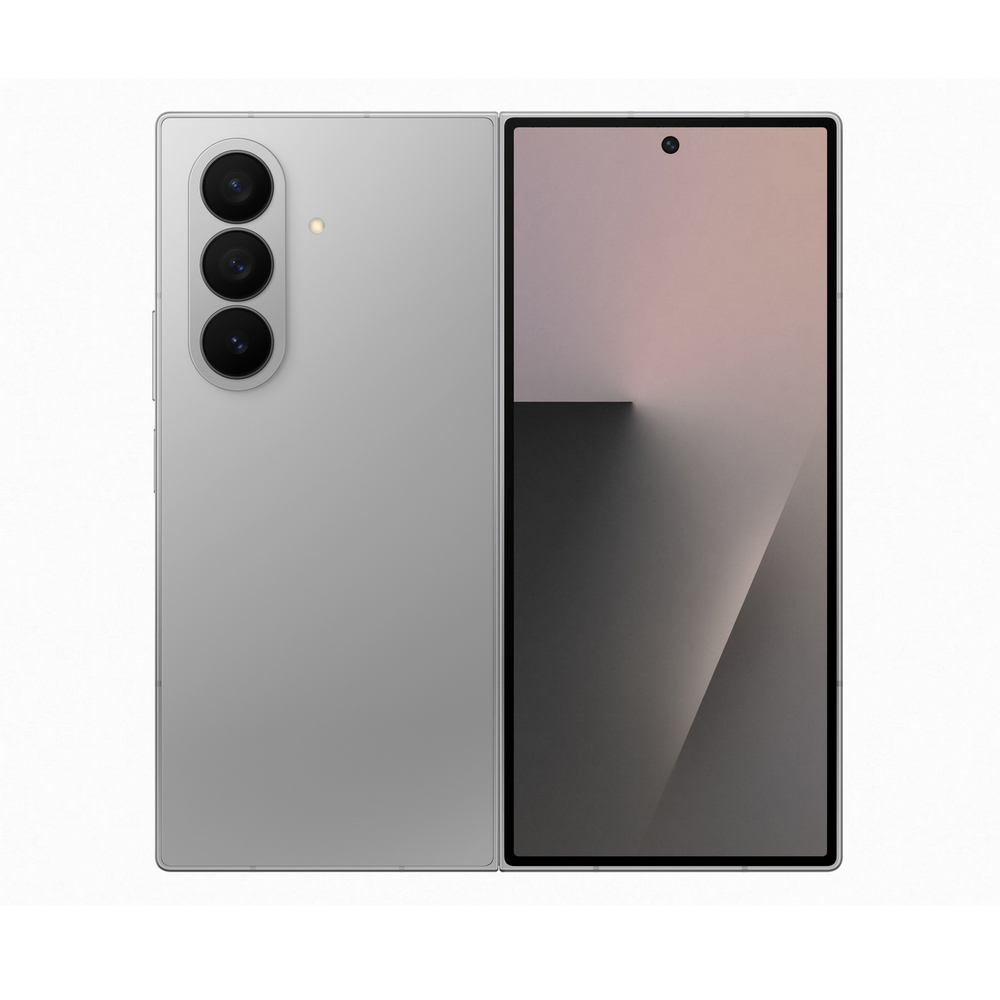
Having a premium yet lightweight design, two gorgeous displays, a feature-rich software experience, and numerous other refinements, the Galaxy Z Fold 7 is the best foldable you can buy.
Pros
- Lightweight yet incredibly robust design
- Flawless everyday performance, including emulation
- No-compromise trip-lens primary camera setup
Cons
- Unacceptably slow charging speeds
- Average battery life and no built-in MagSafe support
Let’s take a speculative look at Samsung Galaxy Z TriFold vs. Galaxy Fold 7 and see how the chaebol’s two heavyweights stack up against each other.
You may like
Samsung Galaxy Z TriFold vs. Galaxy Z Fold 7: Design, displays, and hardware
(Image credit: Samsung)
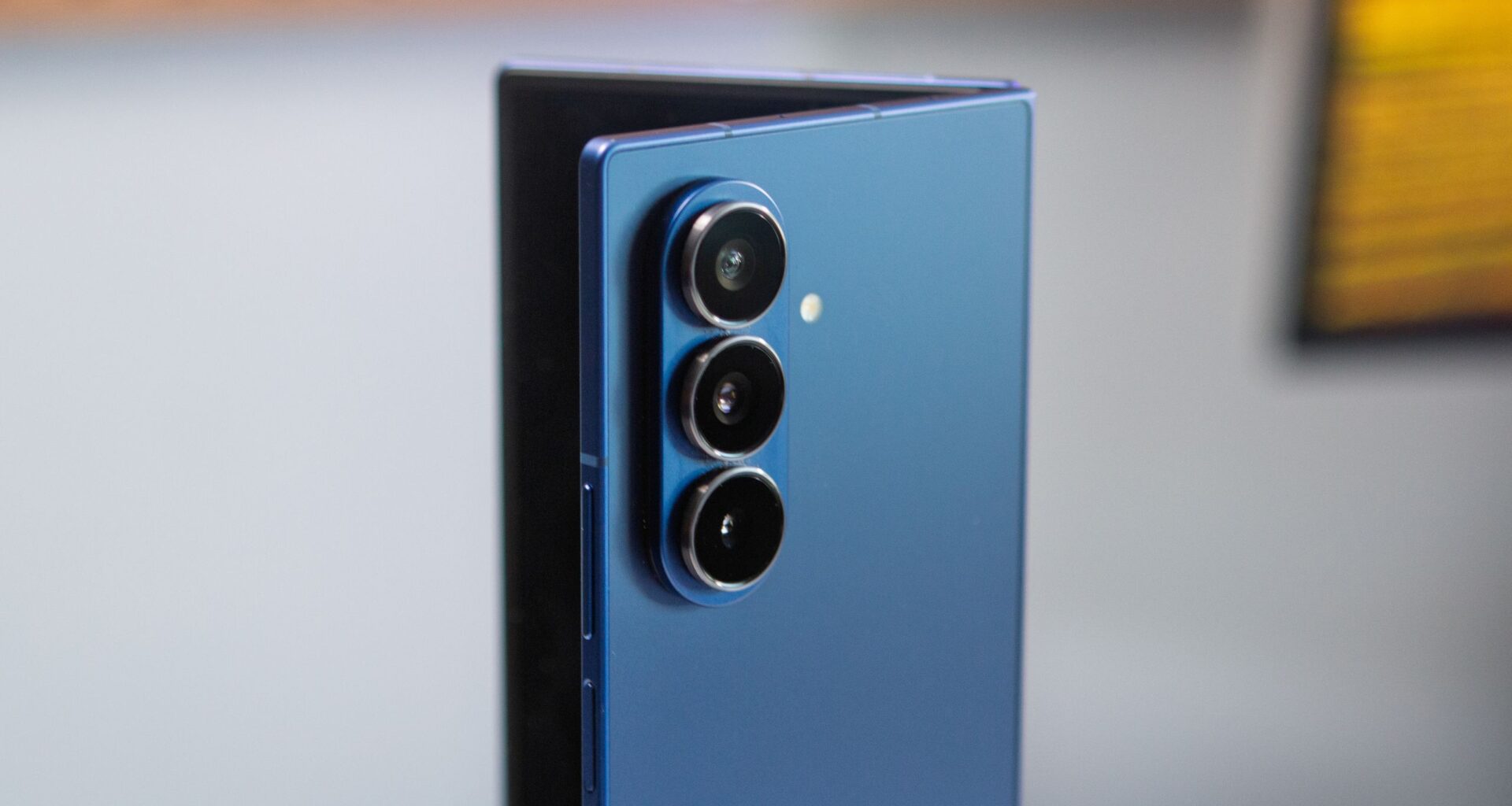
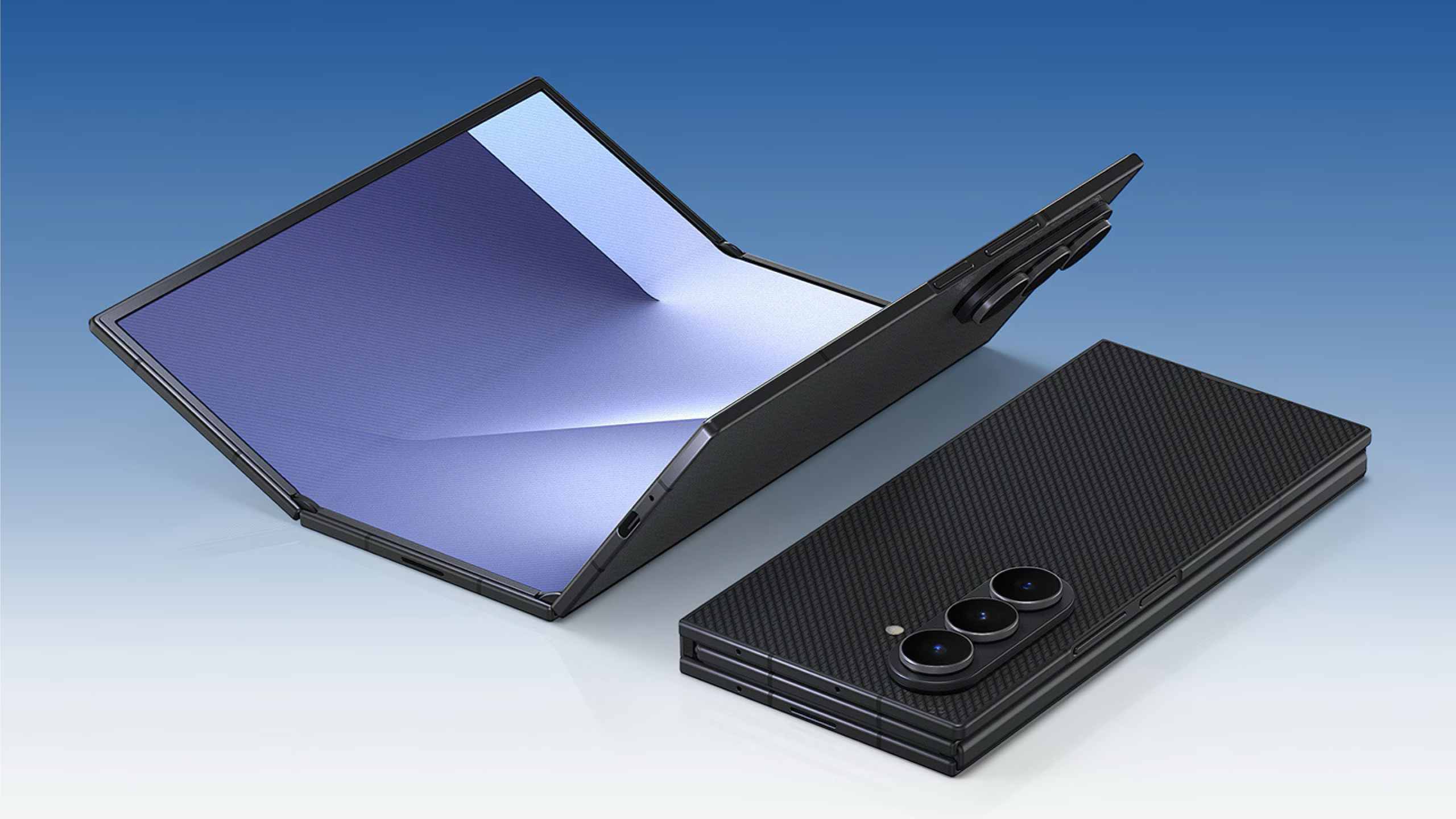
The Galaxy Z TriFold and the Galaxy Z Fold 7 share many similarities in their overall design, to the point that the two are nearly indistinguishable when folded. Both have the same boxy yet sturdy construction with flat sides, an ‘Armor Aluminum’ frame, and a 6.5-inch Dynamic AMOLED LTPO cover display that’s secured by a layer of Corning’s Gorilla Glass Ceramic 2.
The triple-lens primary camera setup is also the same on both foldables, with the three lenses housed inside a vertical pill-shaped island. The Galaxy Z TriFold comes with a ‘ceramic-glass fiber reinforced polymer’ back that Samsung claims is more resistant to cracks, although we don’t know (yet) how durable it is when compared to the Gorilla Glass Victus 2 rear of the Galaxy Z Fold 7. You also get an IP48 certification with both smartphones for dust and water resistance.

(Image credit: Andrew Myrick / Android Central)
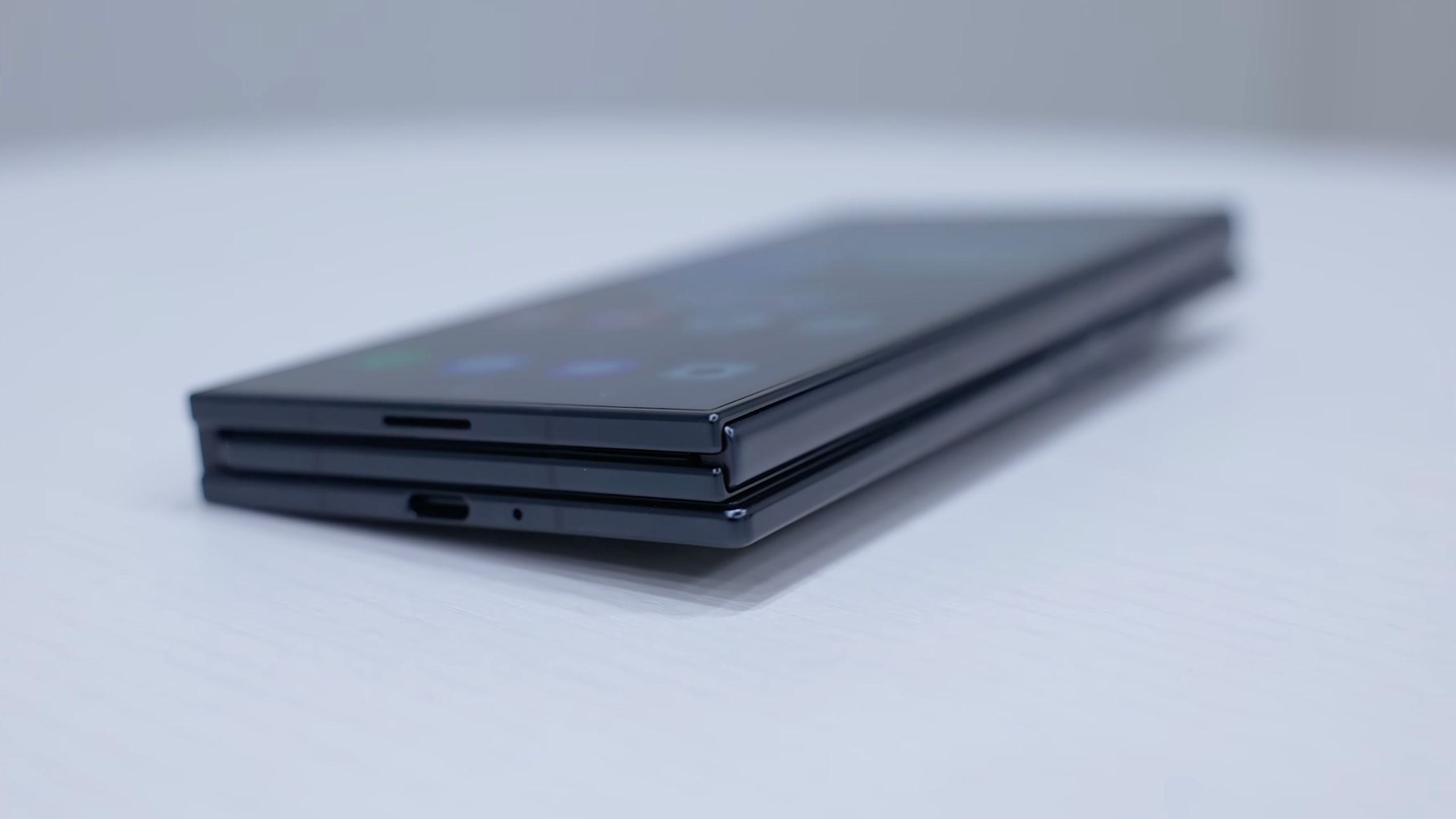
Coming to weight and dimensions (when closed), the Galaxy Z TriFold is quite a bit heavier and thicker than the Galaxy Z Fold 7, which is to be expected. However, once you open those two inward-folding side panels, you realize just how impossibly slim Samsung’s freshest foldable is. Due to each of its three panels varying slightly in their thickness, the TriFold measures just 3.9mm at its thinnest point. That is plain bonkers, even if the Fold 7 with its 4.2mm thickness is no less impressive!
That being said, the biggest highlight (quite literally!) of the Galaxy Z TriFold is its gargantuan 10-inch inner display. Although it comes with a lower pixel density and peak brightness than the 8-inch inner screen of the Galaxy Z Fold 7, the larger panel gives you a lot more visual real estate for split-view multitasking, multimedia consumption, gaming, and just about everything else.
Swipe to scroll horizontallySpecifications
Category
Samsung Galaxy Z TriFold
Samsung Galaxy Z Fold 7
Dimensions (Closed)
159.2 x 75.0 x 12.9 mm
158.4 x 72.8 x 8.9 mm
Dimensions (Opened)
159.2 x 214.1 x 3.9-4.2 mm
158.4 x 143.2 x 4.2 mm
Durability & Case Material(s)
IP48 rating for dust and water resistance, Corning Gorilla Glass Ceramic 2 (Cover), Ceramic-Glass Fiber-Reinforced Polymer (Back), Armor Aluminum Frame
IP48 rating for dust and water resistance, Corning Gorilla Glass Ceramic 2 (Cover), Corning Gorilla Glass Victus 2 (Back), Armor Aluminum Frame
Weight
309g
215g
Display (Inner)
10.0-inch Dynamic AMOLED (1584×2160 pixels resolution), LTPO, 120Hz variable refresh rate
8.0-inch Dynamic AMOLED (1968×2184 pixels resolution), LTPO, 120Hz variable refresh rate
Display (Outer)
6.5-inch Dynamic AMOLED (1080×2520 pixels resolution), LTPO, 120Hz variable refresh rate
6.5-inch Dynamic AMOLED (1080×2520 pixels resolution), LTPO, 120Hz variable refresh rate
Chipset / SoC
Qualcomm Snapdragon 8 Elite (for Galaxy)
Qualcomm Snapdragon 8 Elite (for Galaxy)
RAM
16GB
12GB/16GB
Storage
512GB/1TB
256GB/512GB/1TB
Sensors
Capacitive side-mounted fingerprint sensor, Accelerometer, Barometer, Gyroscope, Geomagnetic sensor, Hall sensor, Proximity sensor, Ambient light sensor
Capacitive side-mounted fingerprint sensor, Accelerometer, Barometer, Gyroscope, Geomagnetic sensor, Hall sensor, Proximity sensor, Ambient light sensor
Wireless Connectivity
Wi-Fi 7, 5G (mmWave and Sub-6), LTE, Bluetooth 5.4, GPS, NFC, and USB 3.2 (with DisplayPort)
Wi-Fi 7, 5G (mmWave and Sub-6), LTE, Bluetooth 5.4, GPS, NFC, and USB 3.2 (with DisplayPort)
Other Features
Dual-SIM/Multi-eSIM, Knox Vault, Samsung DeX standalone, Galaxy AI
Dual-SIM/Multi-eSIM, Knox Vault, Samsung DeX experience, Galaxy AI
Battery & Charging
5,600mAh (Li-Ion), 45W (wired) and 15W (wireless) charging, reverse wireless charging
4,400mAh (Li-Ion), 25W (wired) and 15W (wireless) charging, reverse wireless charging
Cameras (Rear)
200MP wide-angle, 10MP telephoto with 3x optical zoom, 12MP ultrawide | 8K video recording
200MP wide-angle, 10MP telephoto with 3x optical zoom, 12MP ultrawide | 8K video recording
Cameras (Front)
10MP + 10MP | 4K video recording
10MP + 10MP | 4K video recording
OS & Update Policy
Android 16 with One UI 8 (preinstalled), seven years of OS and security updates
Android 16 with One UI 8 (preinstalled), seven years of OS and security updates
Color Options
Crafted Black
Blue Shadow, Silver Shadow, Jetblack, and Mint (online-exclusive)
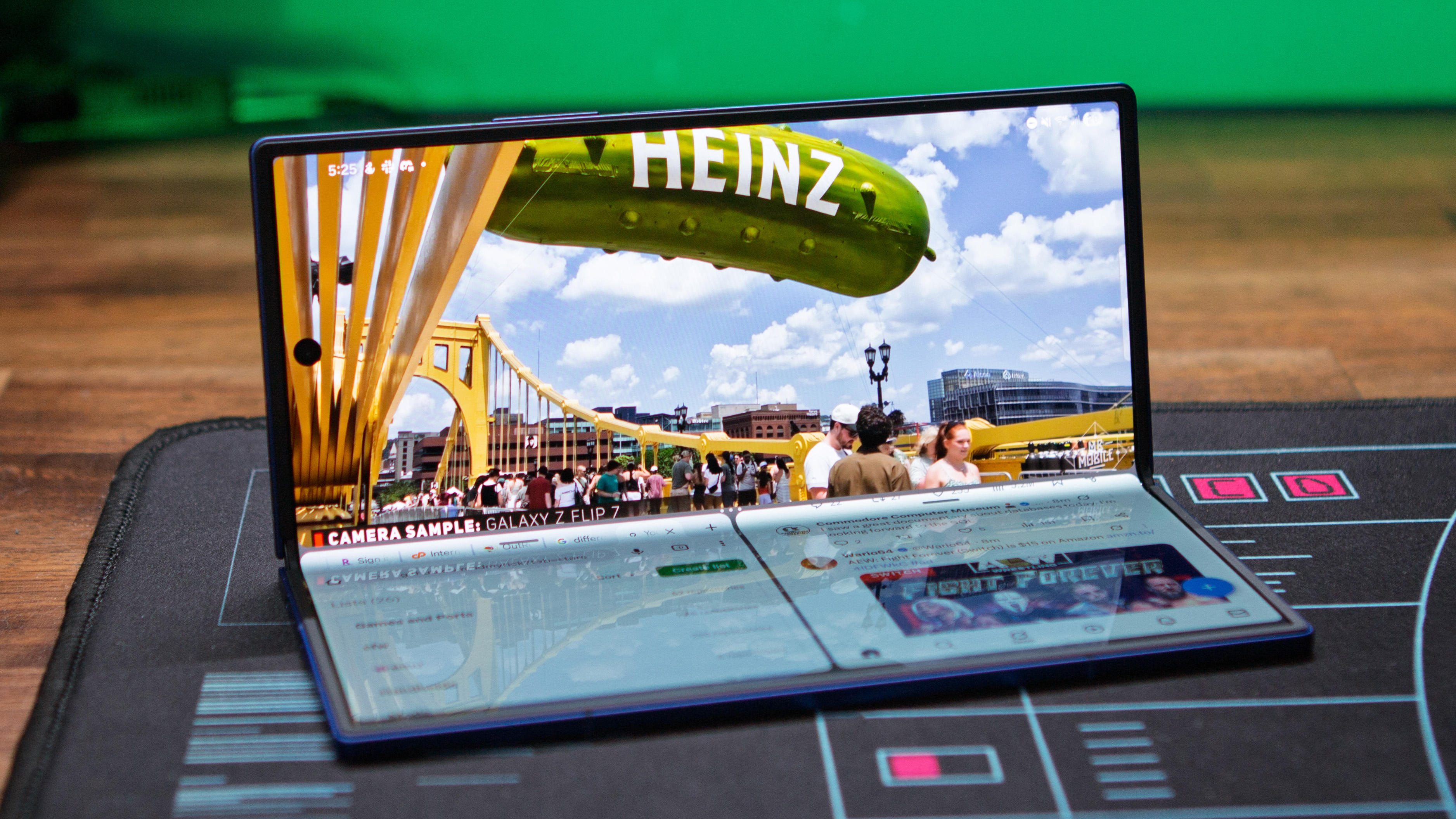
Driven by a Qualcomm Snapdragon 8 Elite (for Galaxy) chipset, the Galaxy Z Fold 7 is a powerhouse that can make quick work of just about anything you throw at it, something that Android Central’s Andrew Myrick noted in his review. You also get 12GB/16GB of RAM and up to 1TB of onboard storage, which makes even the most demanding of workflows a walk in the park. That’s a good thing, since the Galaxy Z TriFold features the exact same hardware under the hood.
(Image credit: Andrew Myrick / Android Central)
Although we would’ve loved to see the foldable come with the Snapdragon 8 Elite Gen 5, it seems Samsung’s upcoming Galaxy S26 series may get first dibs on Qualcomm’s newest top-tier SoC. The two foldables have the same connectivity and I/O options as well, including full multi-band 5G support, NFC, and USB-C 3.2 with DisplayPort functionality.
Samsung Galaxy Z TriFold vs. Galaxy Z Fold 7: Cameras, software, and battery
(Image credit: Samsung)
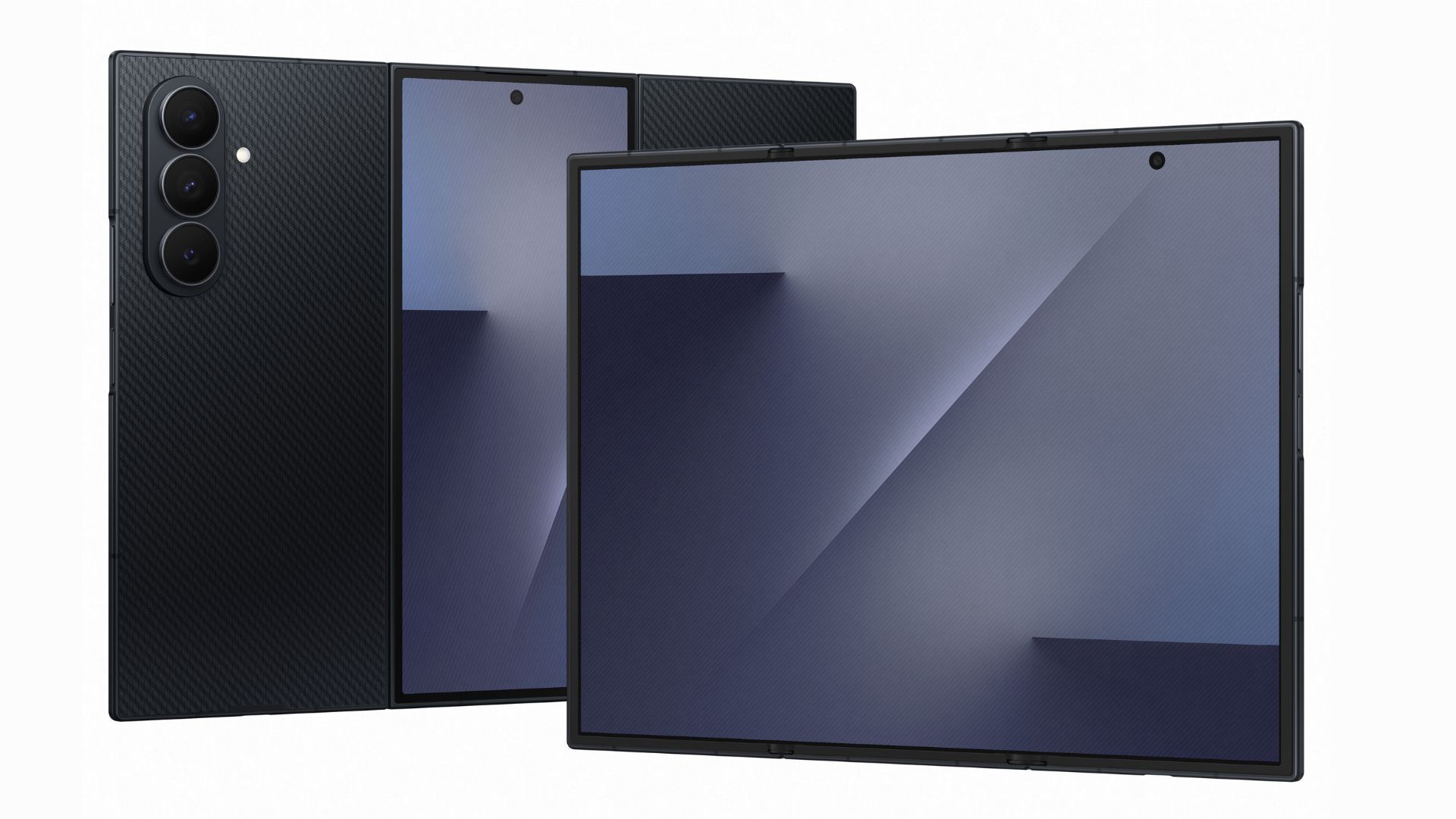
The Galaxy Fold 7 ranks among the best Android camera phones on the market, thanks to its versatile triple-lens rear camera system. You get a 200MP wide-angle primary sensor, a 10MP telephoto module with 3x optical zoom, and a 12MP ultrawide unit, complete with usual goodies such as optical image stabilization, up to 8K video recording, and more shooting modes than you can shake a stick at. Photos and videos pack plenty of detail, with colors and contrast levels on point.
The Galaxy Z TriFold should deliver equally stellar performance, as the foldable carries over the same primary camera array with no changes. If anything, the improved software processing should help further boost the overall photo and video quality. The two 10MP front-facing cameras also remain unchanged.
(Image credit: SuperSaf on YouTube)
Speaking of software, the Galaxy Z TriFold runs Android 16 out of the box, with Samsung’s One UI 8 custom UI overlay. While the Galaxy Z Fold 7 offers the same experience, there are a few notable changes, as highlighted in a hands-on video posted by popular YouTuber Arun Maini.
Many apps (especially those from Samsung) can display much more information at once, and there are now multiple split-screen multitasking configurations. Then you have the standalone DeX support, which means you no longer need to connect the phone to a monitor to get a desktop-like experience.
Thanks to its larger 16:11 aspect-ratio inner display, the Galaxy Z TriFold can double as a monitor whenever you want. In summation, this phone-tablet hybrid is the ideal device for on-the-go productivity. In addition to that, you can also expect years of updates and a laundry list of AI-powered features.

(Image credit: Andrew Myrick / Android Central)
Lastly, let’s talk about battery life. As feature-laden as the Galaxy Z Fold 7 is, its 4,400mAh battery and 25W wired charging are quite unremarkable by modern-day standards, even if they’re enough for everyday usage.
Thankfully, the Galaxy Z TriFold packs a much bigger 5,600mAh power pack and a bit faster 45W wired charging, even if it’s nothing compared to the 7,300mAh silicon-carbon cell and 120W wired charging that the latest OnePlus 15 comes with. Of course, we’ll only be able to comment about the actual battery endurance once we put the foldable through its paces.
Samsung Galaxy Z TriFold vs. Galaxy Z Fold 7: Which should you buy?
(Image credit: Samsung)
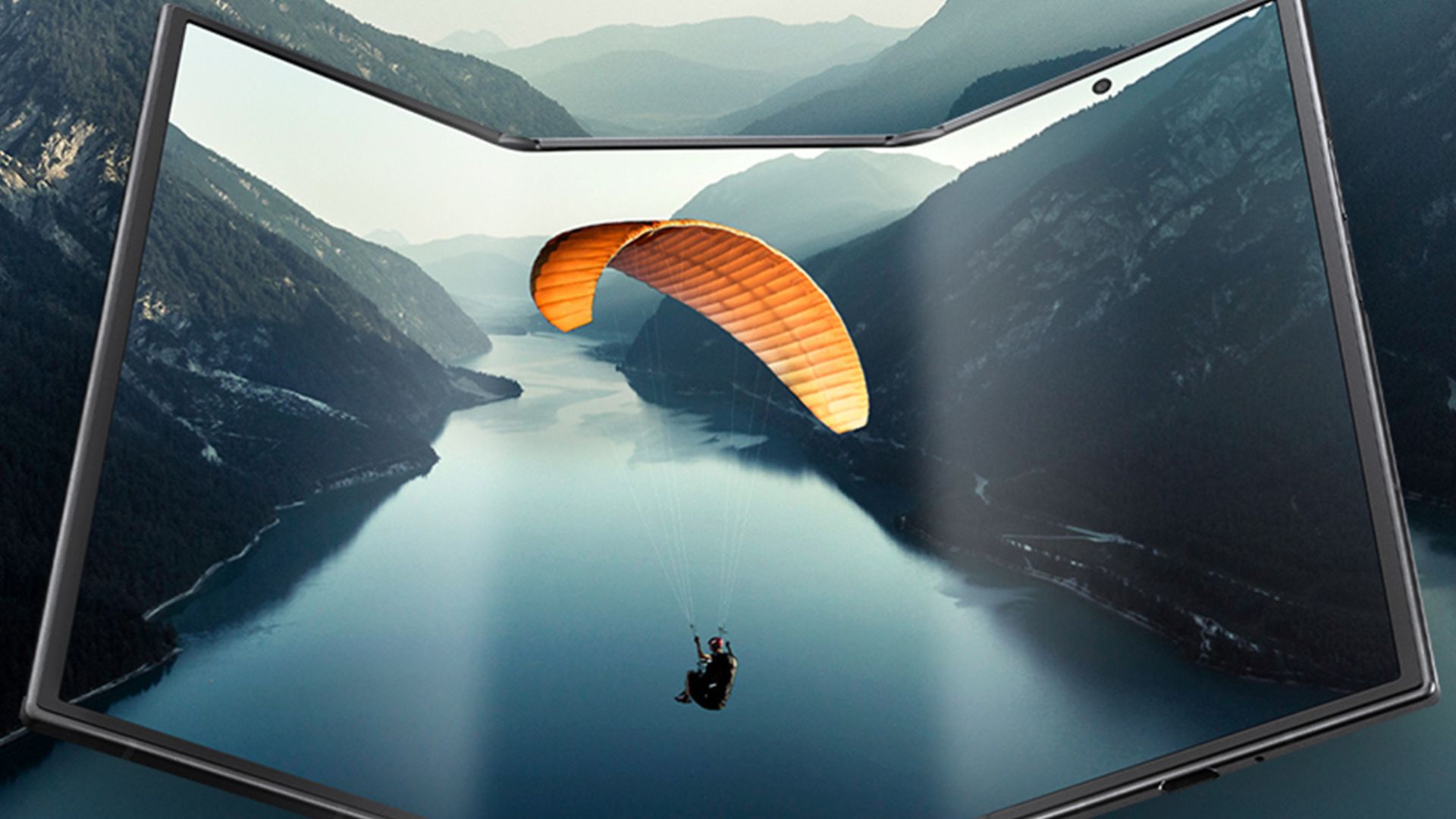
It probably won’t be an exaggeration to say that the Galaxy Z TriFold will soon become the new yardstick against which all foldable phones will be measured. Representing a huge leap in mobile computing, it’s a premium hybrid that lets you not just consume content but also create it.
But even with all that, it’s still a first-generation product. Moreover, it’s likely to cost a fortune at launch, even if Samsung prices it conservatively. The Galaxy Fold 7 isn’t exactly cheap either, but it’s a far more refined foldable that doesn’t have a lot of compromises. So, which one should you get?
The answer depends on what you really use your smartphone for, and of course, your budget. If you’re a casual user who sometimes wants to have access to a bigger screen for things like watching videos and editing a document or two, the Galaxy Fold 7 is the right choice. It’s still one of the best Android phones (regardless of form factor) in the business and has just about everything you could want from a flagship.
On the other hand, if you’re often juggling multiple devices (e.g., a tablet and a laptop) on the go and want to streamline your workflow a bit, the Galaxy Z TriFold might just help you do so. It’s quite likely to cost a pretty penny once it gets a broader launch, but we won’t be surprised if Samsung offers trade-in deals and discounts to bring the price down.
Bigger and better
The Galaxy Z TriFold is built around an expansive 10-inch display that’s ideal for everything from multimedia consumption to on-the-go productivity. It also has a bigger battery, a tailor-made software experience, and more.
Just about perfect
The Galaxy Z Fold 7 is the outcome of several years of refinements and features everything from top-tier cameras to incredible everyday performance to a great in-hand feel. You also have four vibrant colors to choose from.