I have a confession to make.
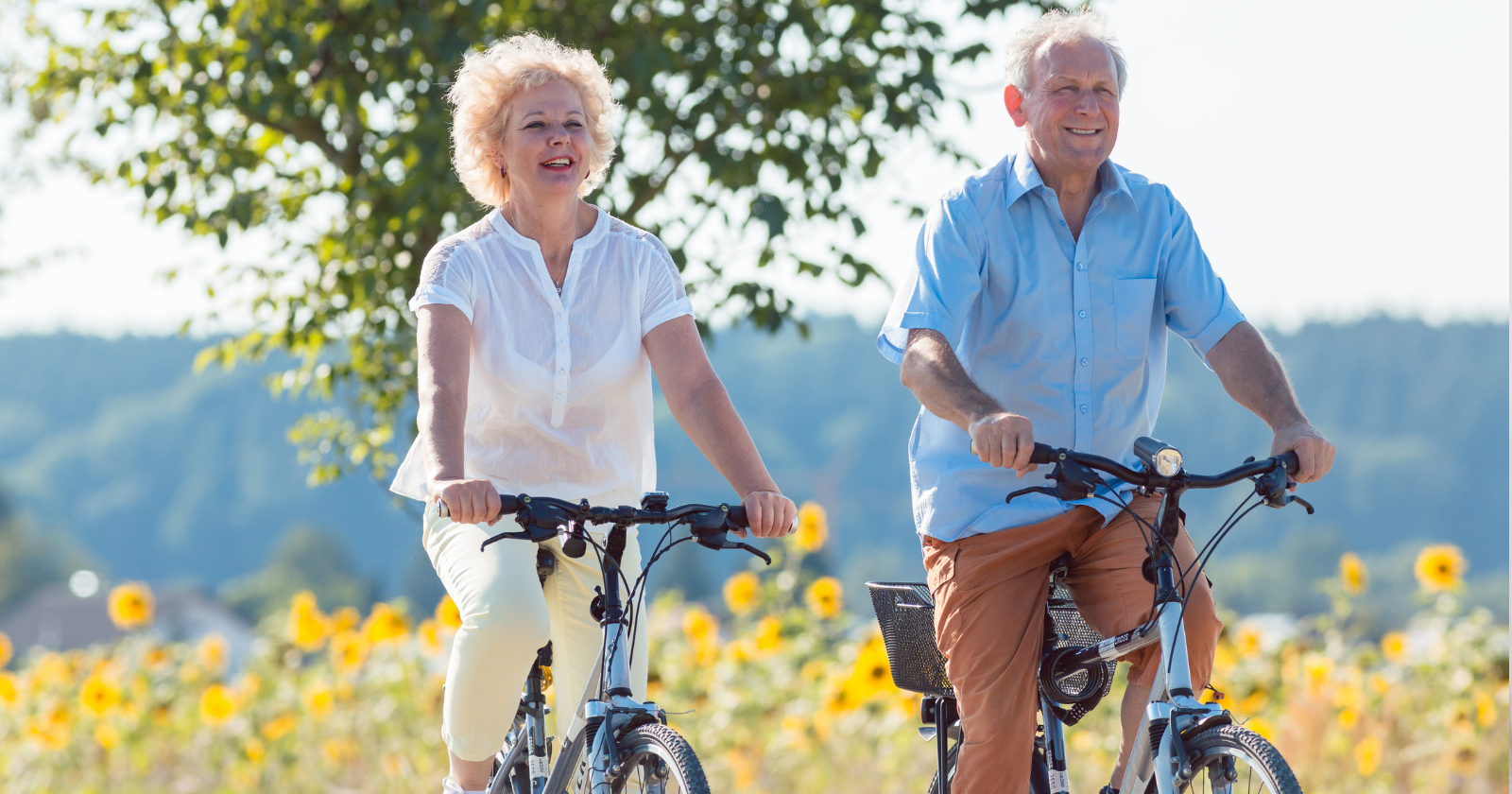
My partner’s dad is in his late sixties, and the guy moves better than me and most people I know in their thirties. He plays tennis twice a week, keeps up with his grandkids without breaking a sweat, and recently helped me move furniture up three flights of stairs without complaining once.
Here’s the kicker: he doesn’t have a gym membership. Never has.
When I asked him about it, he just shrugged and said something about staying active throughout the day. At first, I thought he was downplaying it. But then I started paying attention to how he actually moved through his day.
Turns out, there’s a whole category of people like this. They stay remarkably fit as they age, but they’re not doing CrossFit or running marathons. They’ve just built certain habits into their daily lives that keep them strong, flexible, and mobile without ever thinking of it as “exercise.”
Let’s break down what they’re doing differently.
1) They walk everywhere possible
This one sounds almost too simple, but it’s probably the most consistent habit among people who stay fit without formal workouts.
They’re not talking about power walking or hitting 10,000 steps. They’re just choosing to walk when most of us would drive or take the elevator.
Research from the American Heart Association shows that regular walking reduces the risk of heart disease, improves bone health, and helps maintain muscle mass. But here’s what makes it powerful: it’s cumulative.
A trip to the mailbox, walking to grab coffee instead of driving, taking the stairs at work. None of these feel like exercise in the moment, but they add up to something significant over time.
I learned this lesson the hard way during my first startup. I was so focused on optimizing every minute that I’d drive two blocks to meetings. My back was constantly tight, I felt sluggish, and I couldn’t figure out why despite working out five days a week.
Then I spent a month in Barcelona for work, where walking was just the default way to get around. I stopped going to the gym entirely but felt better than I had in years.
The difference? I was moving constantly instead of sitting for hours and then trying to compensate with an intense workout.
2) They prioritize sleep over almost everything
Ask someone who’s stayed fit and healthy into their later years about their habits, and sleep will come up within the first few minutes.
These people treat sleep like it’s non-negotiable. Not because they’re lazy, but because they’ve figured out that everything else falls apart without it.
The National Sleep Foundation has found that quality sleep is linked to better weight management, improved immune function, and reduced inflammation.
When you’re well-rested, your body actually wants to move. When you’re exhausted, even basic tasks feel like a workout.
3) They eat mostly whole foods without obsessing
Here’s what people who stay fit without trying don’t do: follow complicated diets or count macros.
What they do instead is pretty straightforward. They eat real food most of the time.
Vegetables, fruits, lean proteins, whole grains. Things that existed a hundred years ago. They’re not puritanical about it, but it’s their default.
I’ve experimented with every diet trend you can imagine, and eventually landed on the same simple approach. Cook most of my meals, keep junk food out of the house so it’s not the easy option, and don’t stress about the occasional pizza or burger.
The key word there is “occasional.” When whole foods are your norm, treating yourself doesn’t derail anything.
4) They stay socially connected
This one surprised me until I thought about it more carefully.
People who stay physically capable as they age tend to have active social lives. Not just people to text, but friends they actually see and do things with.
Why does this matter for physical fitness? Because social activities usually involve movement.
Meeting a friend for coffee means walking there. Playing with grandkids means getting on the floor. Traveling with friends means exploring new places on foot.
Part of that is probably stress reduction, but part of it is that connected people simply move more.
After my second startup failed, I isolated myself for months. I told myself I was “focusing on figuring things out,” but really I was avoiding people out of shame. My physical health tanked during that period, even though I was still hitting the gym.
It wasn’t until I started showing up for friends again that things improved. Turns out, having reasons to leave the house and engage with the world matters more than I thought.
5) They do physical hobbies they actually enjoy
The people who stay fit without “exercising” have one thing in common: they’ve found ways to move that don’t feel like work.
Gardening, dancing, hiking, playing with dogs, working on their cars, doing home improvement projects. These aren’t exercise in the traditional sense, but they require strength, flexibility, and endurance.
Think about it. If you hate running but force yourself to do it for fitness, how long will you really keep it up? But if you love surfing or rock climbing or even just working in your yard, you’ll do it consistently because you want to, not because you should.
Find something that makes you forget you’re exercising, and you’ll never have to motivate yourself to do it.
6) They maintain flexibility through daily stretching
Here’s something I’ve noticed about people who move well into their later years: they stretch.
Not for an hour. Not following some complex yoga routine. Just simple stretching throughout the day.
They stretch when they wake up, after sitting for a while, before bed. It’s woven into their day the same way brushing their teeth is.
I ignored flexibility for years because it seemed boring compared to lifting weights. Then I threw out my back moving a couch, and suddenly I understood why it mattered.
Now I spend five minutes stretching every morning and take movement breaks when I’ve been sitting too long. It’s not dramatic, but the difference in how I feel is massive.
7) They stay curious and engaged with life
Finally, people who stay physically fit as they age tend to be mentally engaged with the world around them.
They’re learning new things, traveling, taking on projects, staying curious. And that mental engagement seems to keep them physically active too.
When you’re engaged with life, you have reasons to get up and move. When you’re bored or disconnected, it’s easy to become sedentary.
I saw this clearly when I transitioned from running startups to writing. Initially, I worried I’d become less active sitting at a desk all day. But because the work kept me mentally engaged and curious, I found myself walking more to think through ideas, traveling to new places for perspective, and generally staying more active than I expected.
Purpose and curiosity seem to be natural antidotes to a sedentary lifestyle.
Final thoughts
Staying fit doesn’t have to mean structured workouts and gym memberships.
The people who manage it best have simply built movement, good nutrition, quality sleep, and engagement with life into their daily routines. These habits compound over time, keeping them strong and mobile without ever feeling like a sacrifice.
The beautiful thing about this approach is that it’s sustainable. You’re not relying on motivation or willpower to drag yourself to the gym. You’re just living in a way that naturally keeps you healthy.
So ask yourself: what small changes could you make to move more throughout your day? What activities do you actually enjoy that happen to be physical? How can you build these habits in now, so they’re just part of who you are decades from now?
The answer might be simpler than you think.