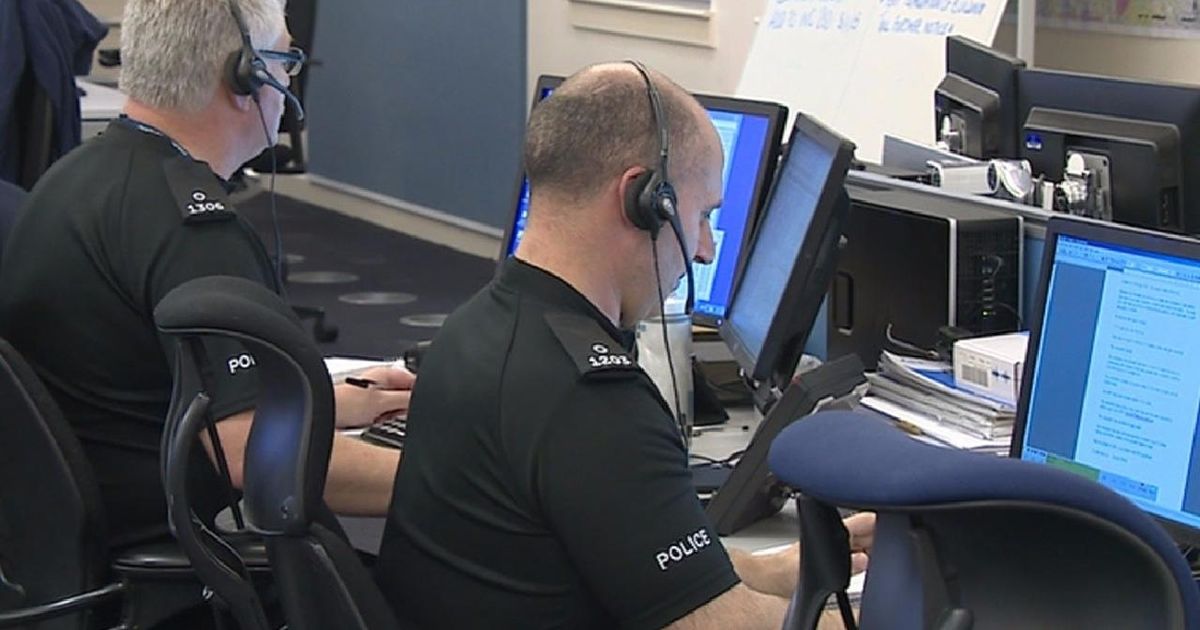
Calls to the non emergency 101 number were initially taking up to 40 minutes before someone responded.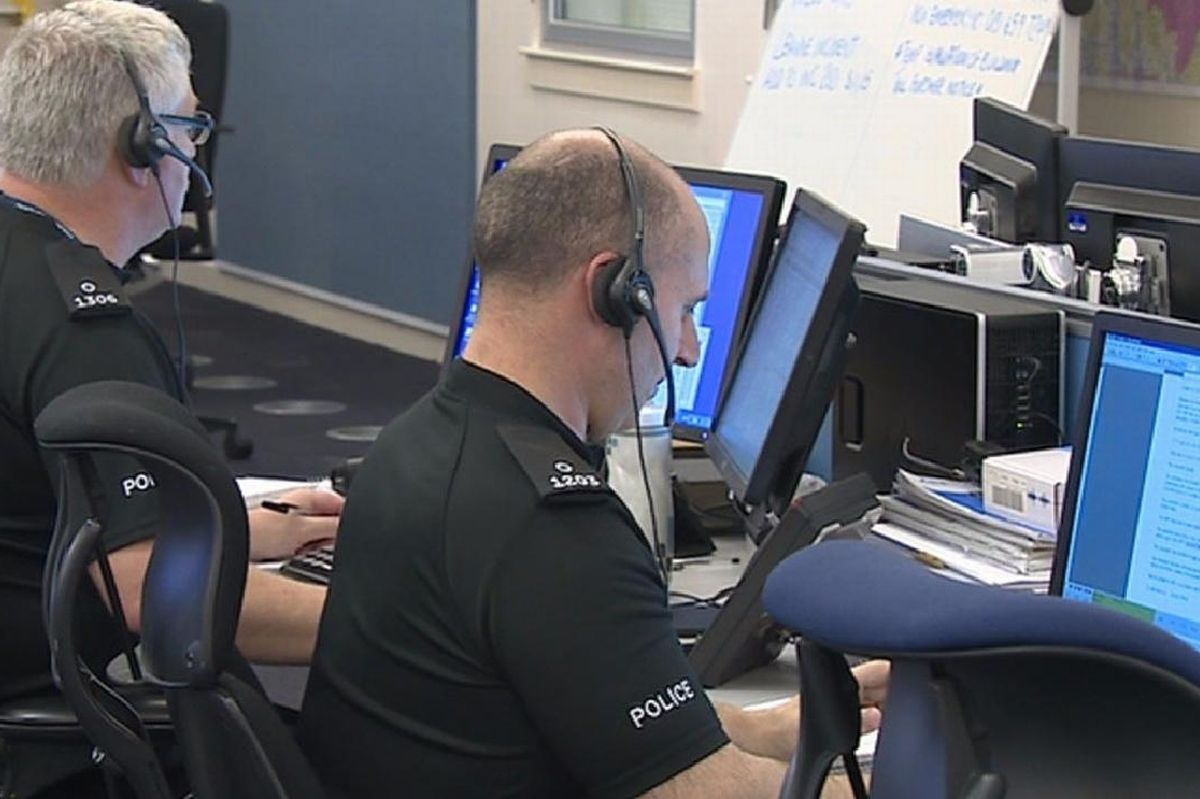 (Image: Daily Record)
Members of the public have been made to wait more than two hours for calls to a new police phone system to be answered it has been claimed. Yesterday The Daily Record revealed how senior officers were forced to set up a “critical incident” response after major delays following the systems launch on November 25.
Calls to the non emergency 101 number were initially taking up to 40 minutes before someone responded. While Emergency 999 calls – normally answered in under 10 seconds – were taking up to 50 seconds to get a response.
However the Daily Record has learned that on Wednesday of this week 101 calls were taking up to two hours and 25 seconds to answer and 999 calls four minutes and 29 seconds. On Tuesday one 999 call took nine minutes and 40 seconds to get a response it has been claimed.
While on one day last week half of all calls were abandoned by frustrated members of the public before they had even spoken to the police. It has also been claimed that 25 percent of 999 calls are not being answered within the ten second target. The target for responding to 101 calls is four minutes and seven seconds.
There have also been delays in responding to emails sent by the public to Police Scotland’s ContactUs system with more than 1100 lying unanswered on the Wednesday.
The Daily Record has been told that it is taking up to 40 hours – almost two days – before staff are able to get round to reading them. While a priority email box – which identifies potentially more serious incidents in any email – was taking seven hours to read.
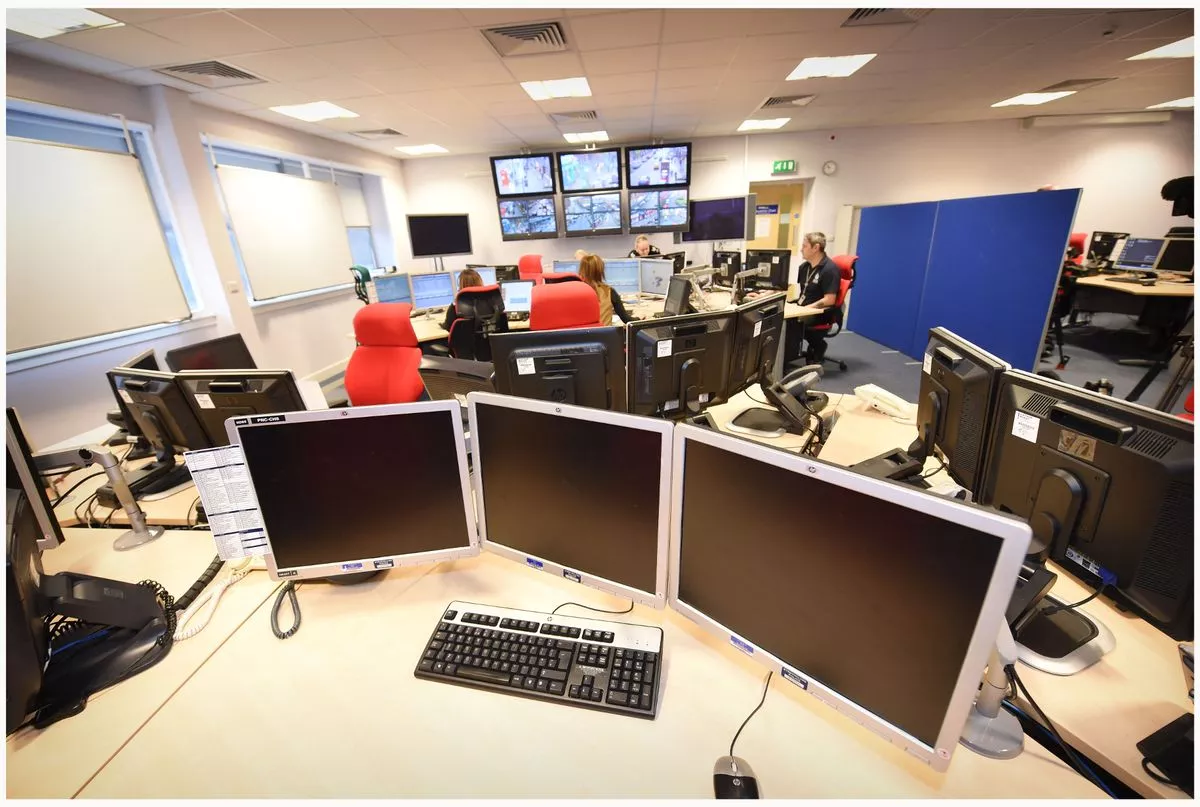
Call handling centres in Glasgow, Motherwell, Bilston Glen near Edinburgh, Dundee and Inverness have been affected. Staff have complained to their trade union Unison about the new system, saying they did not get adequate training and find the new software difficult to operate and navigate under time pressures.
 (Image: DAILY RECORD)
It was introduced by Police Scotland with the aim of unifying and modernising the call handling systems inherited from the eight former regional forces in 2013. Last year, the force was criticised by a sheriff for call centre failings which led to the death in 2015 of young mum Lamara Bell, who was trapped for three days in a car on an embankment of the M9.
Join the Daily Record WhatsApp community!
Get the latest news sent straight to your messages by joining our WhatsApp community today.
You’ll receive daily updates on breaking news as well as the top headlines across Scotland.
No one will be able to see who is signed up and no one can send messages except the Daily Record team.
All you have to do is click here, select ‘Join Community’ and you’re in!
We also treat our community members to special offers, promotions, and adverts from us and our partners. If you don’t like our community, you can check out any time you like.
To leave our community click on the name at the top of your screen and choose ‘exit group’.
If you’re curious, you can read our Privacy Notice.
Unison branch secretary David Malcolm says he is having regular meetings with Police Scotland to discuss the growing problems with the new system and air the concerns of his members. He added: “I am concerned that the delays appear to be getting longer putting additional pressure on already overstretched staff.
“The police still feel it is a system that will do what it is needed to do.
“They are still describing the problems as teethings and glitches.
“The staff is feeling that the pressure is being increased by management.
“We also want to make sure that people are supported to do the job they need to do and do it correctly.
“We do not want there to be a large scale incident or error.”
 (Image: Daily Record)
Police Scotland declared the “critical incident” four days after the November 25 launch. One concerned worker told the Daily Record: “There has been no improvement since its implementation over three weeks ago and things are just getting worse even with additional overtime. Staff are becoming fatigued and stressed with the additional workload.
“There does not seem to be a solution to making this better. It is getting worse.”
Assistant Chief Constable, Mark Sutherland said: “Public safety is and remains our absolute priority. We continue to closely monitor emergency 999 and non-emergency 101 call response and implement solutions to enhance user experience of our new digital system for public contact, which will enable capability to offer the public more ways to contact us in future.
“Demand on our 999 service has increased significantly this year, when compared with previous years, and over the course of the last week response to storm Bram has increased pressure on our services.
“As the public would expect and rightly demand, Police Scotland continues to prioritise emergency 999 calls. We also have a long-established process in place with UK police forces to ensure 999 calls are always answered.
“Whilst we have been experiencing challenges in respect of call handling for our 101 non-emergency service, we are seeing improvements in our call handling response as the new system is embedded, and we will continue to support our people during the busy festive period.”