What if the future of wearable technology isn’t just delayed but reimagined? Meta’s decision to push its mixed reality glasses to 2027 might seem like a setback, but it’s a calculated move in an industry racing toward innovation. With competitors like Apple teasing an all-black Vision Pro and XREAL introducing affordable AR glasses packed with advanced features, the stakes have never been higher. Meanwhile, autofocus glasses, a breakthrough in wearable optics, promise to transform vision correction with personalized, energy-efficient technology. These developments aren’t just incremental upgrades, they’re redefining what it means to interact with the digital and physical worlds.
In this overview, Steven Sullivan explains how these innovations are shaping the future of AR/VR and wearable tech. From Meta’s strategic recalibration to Apple’s sleek new designs and XREAL’s push for accessibility, each player is carving out a unique vision of what’s next. You’ll also discover how emerging trends like lightweight designs, AI integration, and immersive experiences are setting the stage for a new era of connectivity. As the lines between reality and augmented reality blur, the question isn’t just when these technologies will arrive, it’s how they’ll change the way we live, work, and see the world.
Future of AR/VR Wearables
TL;DR Key Takeaways :
- Meta has postponed the release of its mixed reality glasses to 2027, focusing on improving user experience and advancing eye and hand tracking technology.
- Ixie’s autofocus glasses introduce energy-efficient liquid crystal technology, offering personalized vision correction with a lightweight and customizable design.
- XREAL launched the affordable XRO 1S AR glasses at $434, featuring 2D-to-3D conversion, low latency, and a 52° field of view, with plans for a global rollout.
- Apple is expanding its Vision Pro lineup with new variants, including an all-black titanium model and a more affordable “Vision Air” option, targeting broader audiences.
- The AR/VR industry is shifting toward lightweight, user-friendly designs and AI integration, allowing smarter, more accessible, and immersive wearable technology solutions.
Autofocus Glasses: Redefining Vision Technology
Autofocus glasses, pioneered by Ixie (EXI), represent a remarkable advancement in wearable optics. These glasses are designed to automatically adjust focus based on where the user looks, offering a seamless and personalized vision correction experience. This innovation is powered by energy-efficient liquid crystal technology, which ensures both functionality and sustainability. Key features of these glasses include:
- A lightweight design, weighing just 22 grams, making them comfortable for extended use.
- Customizable frames and nose pieces to enhance comfort and fit for a wide range of users.
- Manufacturing in Finland and Italy, emphasizing premium craftsmanship and attention to detail.
Although pricing details have not yet been disclosed, these glasses are expected to target high-end consumers who value advanced functionality and convenience. This technology could set a new standard in wearable optics, blending practicality with innovation.
XREAL XRO 1S: Affordable AR with Advanced Features
XREAL has introduced the XRO 1S, its most affordable AR glasses to date, priced at $434. These glasses aim to provide widespread access to augmented reality by offering high-performance features at a competitive price point. The XRO 1S is designed to deliver an immersive AR experience without compromising on quality. Notable features include:
- Automatic 2D-to-3D conversion, allowing users to enjoy immersive content effortlessly.
- Low 3ms latency, making sure smooth and responsive visuals for a seamless experience.
- An expanded 52° field of view, providing enhanced immersion and a broader perspective.
- Electrochromic dimming, which adapts brightness to suit various lighting conditions.
The glasses are compatible with the XREAL Neo accessory, which extends battery life and enhances usability. Following a successful launch in Japan, XREAL is planning a global rollout, making AR technology more accessible to a wider audience. This move positions XREAL as a key player in the growing AR market.
Meta Delays Glasses To 2027, All-Black Vision Pro & More
Check out more relevant guides from our extensive collection on Smart Glasses that you might find useful.
Apple Vision Pro: New Variants and Future Innovations
Apple is expanding its Vision Pro lineup with the introduction of new variants and potential future models. Leaks suggest the development of an all-black version, possibly constructed from titanium to achieve a lighter and more durable design. Additionally, Apple is reportedly working on a more affordable and lightweight model, tentatively referred to as the “Apple Vision Air.” Key highlights of these developments include:
- Multiple color options to cater to diverse consumer preferences.
- A focus on streamlined functionality and improved accessibility for a broader audience.
These updates reflect Apple’s strategy to maintain its premium reputation while simultaneously appealing to a wider consumer base. By diversifying its product offerings, Apple is positioning itself to remain a dominant force in the AR/VR industry.
Meta’s Strategic Shift in Mixed Reality
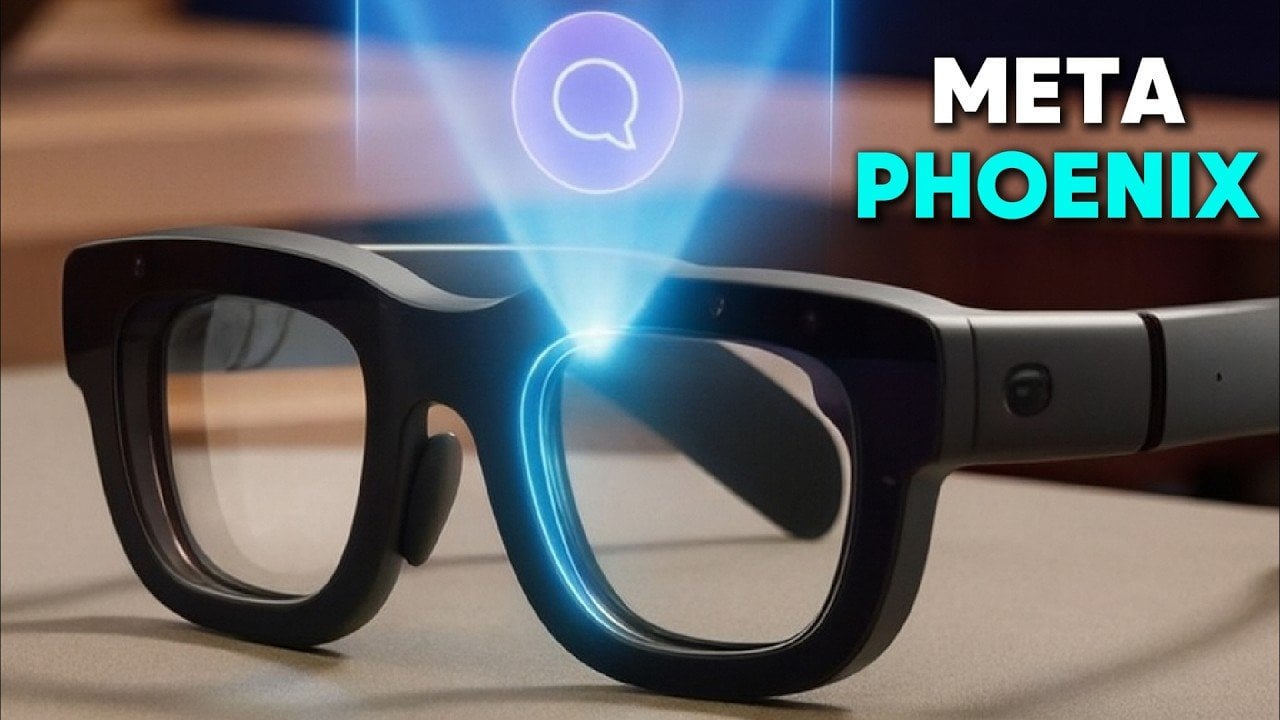
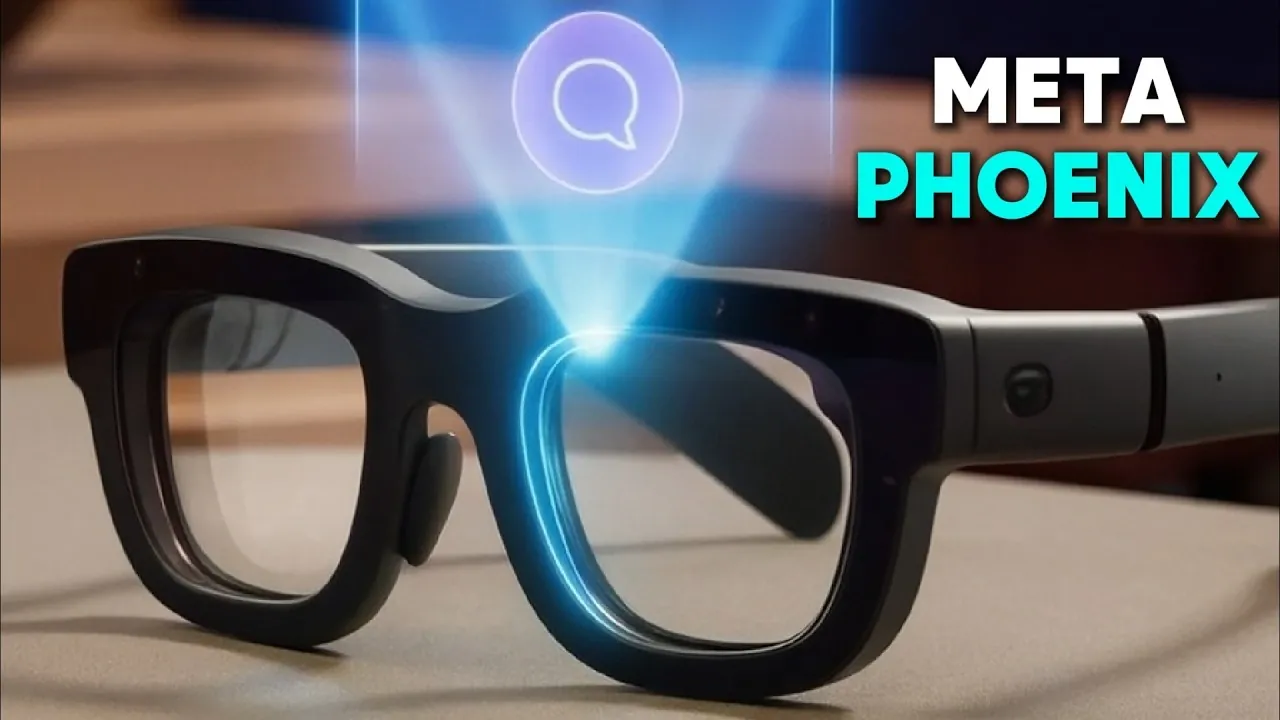
Meta’s decision to delay its “Project Phoenix” mixed reality goggles to 2027 signals a strategic recalibration aimed at addressing current technological challenges. The company is focusing on advancing eye and hand tracking technology, areas where competitors like Samsung’s Galaxy XR have faced limitations. In addition to refining its mixed reality glasses, Meta is also working on:
- “Malibu 2,” a wearable AI device inspired by Limitless AI’s pendant technology, which could redefine personal AI interactions.
- The next-generation Quest headset, likely the Quest 4, designed to deliver an enhanced immersive gaming experience with improved hardware capabilities.
These initiatives underscore Meta’s dedication to delivering polished, innovative products that prioritize user satisfaction and technological innovation.
Industry Trends: Lightweight Designs and AI Integration
The AR/VR industry is increasingly prioritizing lightweight and user-friendly designs to improve comfort and usability. Companies are also focusing on affordability, with brands like XREAL leading the way in making AR technology more accessible. Meanwhile, the integration of artificial intelligence (AI) into wearable devices is unlocking new possibilities, including:
- Personalized insights tailored to individual users, enhancing the overall experience.
- Extended functionality, allowing smarter and more intuitive interactions with devices.
These trends are paving the way for a new generation of wearable technology that seamlessly blends digital and physical experiences. As AI continues to evolve, its role in wearable devices is expected to expand, offering users more intelligent and adaptive solutions.
Shaping the Future of Wearable Technology
The AR/VR landscape is undergoing a period of rapid transformation, driven by innovation from major players like Meta, Apple, and XREAL. Meta’s decision to delay its mixed reality glasses reflects a strategic pause to refine its offerings, while advancements in autofocus technology, 2D-to-3D conversion, and AI integration are pushing the boundaries of what wearable devices can achieve. As these technologies continue to mature, the industry is moving toward more accessible, lightweight, and intelligent devices that have the potential to redefine how we interact with the world around us.
Media Credit: Steven Sullivan
Filed Under: Gadgets News, Technology News, Top News
Latest Geeky Gadgets Deals
Disclosure: Some of our articles include affiliate links. If you buy something through one of these links, Geeky Gadgets may earn an affiliate commission. Learn about our Disclosure Policy.