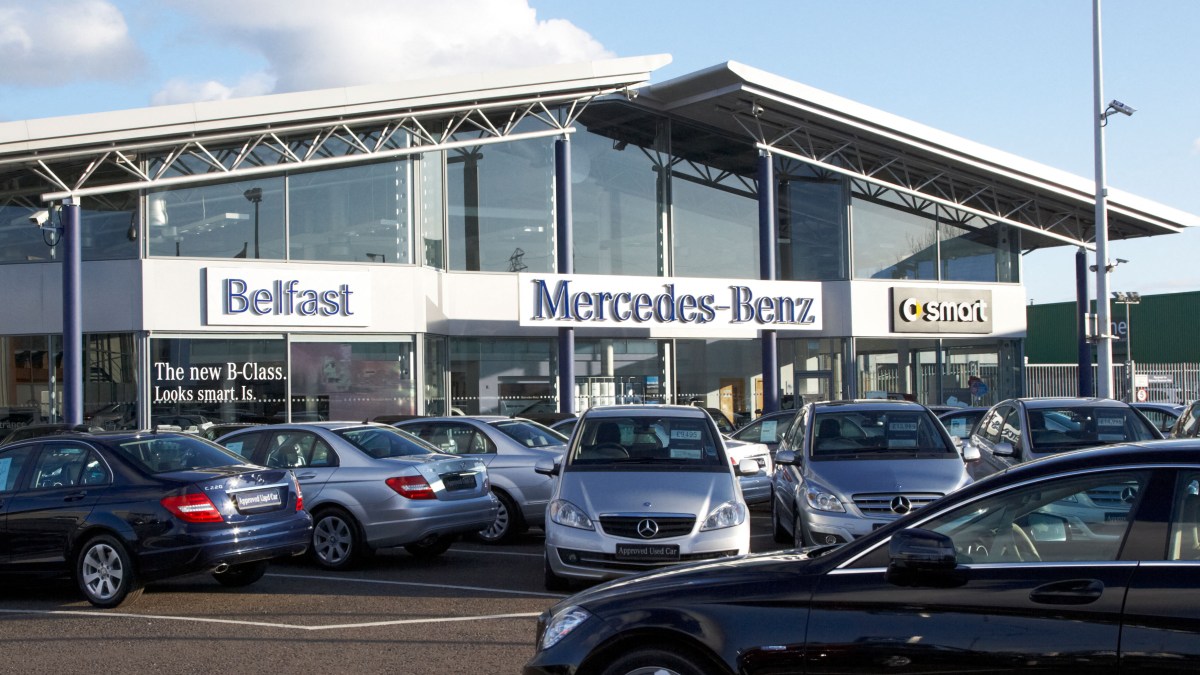
Northern Ireland is facing a shortage of new cars and additional motoring taxes as post-Brexit provisions under the Windsor framework come into force.
New cars that are sold and registered in Northern Ireland will have to conform with EU rather than British standards from January 1, 2026. But because of a lack of British-spec models that meet European standards, dealers are now facing the reality of major stock shortages — or may not be available at all.
EU rules tend to require enhanced safety measures such as speeding alarms and steering wheel fixed lane assist.
Meanwhile, company cars — primarily plug-in hybrid vehicles — will suffer greater benefit-in-kind taxation under the EU regime than in Britain for an identical vehicle. The regime change could also be complicated by a growing dichotomy between the UK and the EU in the transition to electric vehicles. The UK is banning sales of new petrol and diesel cars from 2030.
The ban in the EU was scheduled for 2035, but last weekend, this newspaper revealed that Brussels was pushing this back to 2040.
The Windsor framework is a post-Brexit legal agreement to avoid a hard border on the island of Ireland. It means that Northern Ireland remains in the EU single market.
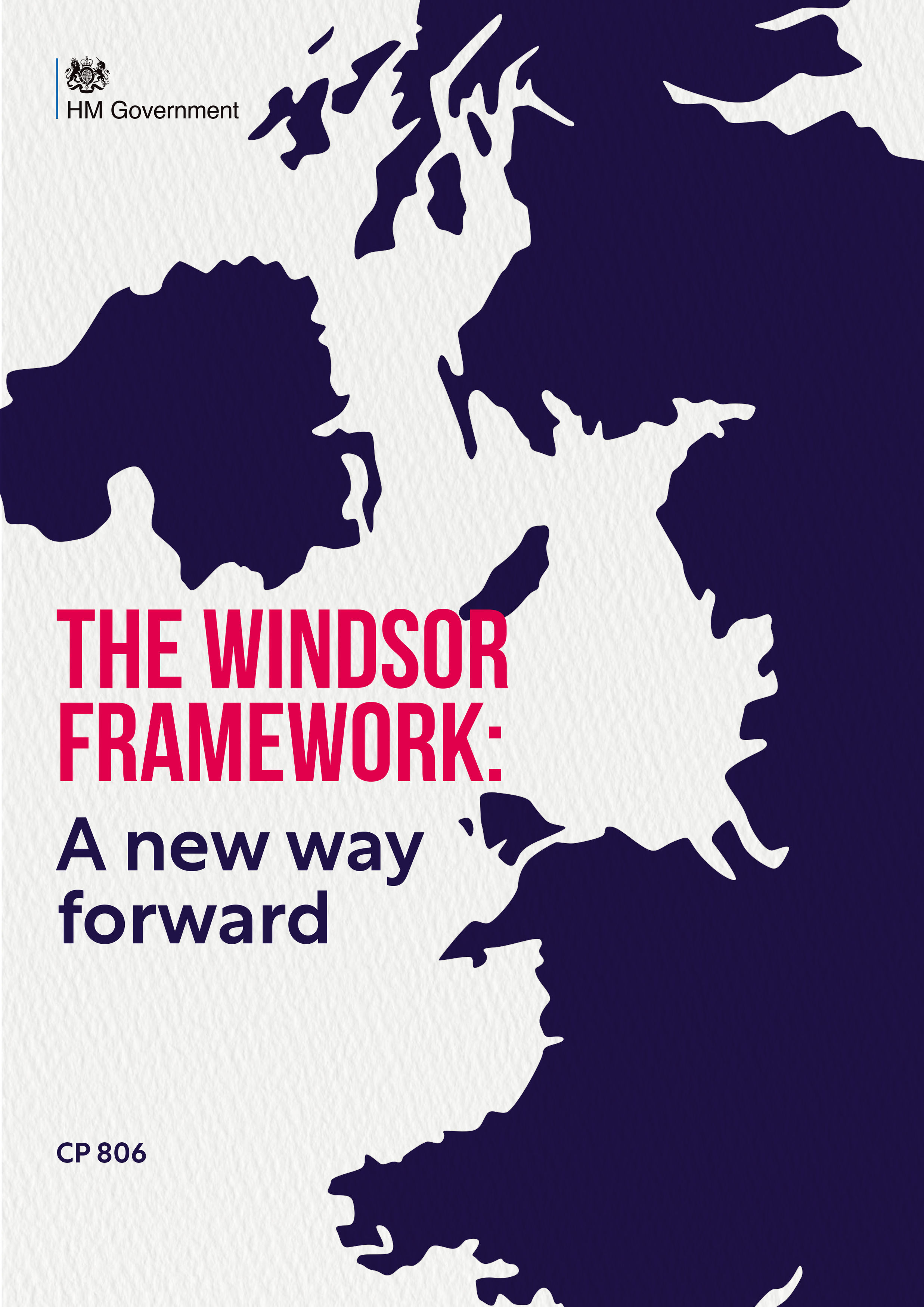
The policy paper was published by the UK government after talks between Ursula von der Leyen, and Rishi Sunak, then the prime minister, in 2023
HM GOVERNMENT/PA
It has a particularly acute impact on car dealerships in Northern Ireland because they sell British-spec models rather than those designed for the Republic of Ireland market. Northern Ireland is part of the UK car market and historically has offered the same choice of models available to consumers in England, Scotland and Wales.
Senior industry sources are understood to have met the Northern Ireland secretary, Hilary Benn, on a number of occasions to discuss the conundrum. They want the implementation of EU standards to be delayed indefinitely and benefit-in-kind taxation to be harmonised.
• EU to ‘push back petrol car sales ban to 2040’
While Benn and other government officials are sympathetic to their plight, they made it clear that regime changes would take place only as part of a wider economic reset with the EU, sources said.
Whitehall sources said the UK was committed to “full and faithful implementation of the Windsor framework”.
“The Windsor framework addresses Northern Ireland’s unique and complex circumstances, which safeguard the Good Friday Agreement and restore the smooth flow of trade within the UK,” they said.
The automotive sector employs 17,600 people in Northern Ireland and is a critical contributor to jobs, apprenticeships and the local economy. There are about 50,000 new vehicle registrations annually, representing 2.5 per cent of the overall UK market.
• Has the big drive to electric cars run out of energy in the UK?
Simply switching to sourcing vehicles from Irish ranges from south of the border has traditionally been challenging for administrative reasons.
Buying cars from the Republic is typically more expensive than in the UK because of a punitive vehicle registration tax and VAT at 23 per cent, rather than the 20 per cent car buyers have to pay in the UK.
The Windsor Framework is designed to protect the internal EU market. And yet there is practically no internal market for new cars between Northern Ireland and the Republic and vice versa. There were only 134 cars imported to the Republic of Ireland in the ten months to October 2025, including just six from the UK, for instance.
Long-running distribution networks have been set up so that UK forecourts source their cars either from a pool of vehicles that is traded between dealerships or direct from the local UK offices of the carmakers. The split between the two is about 50:50 in Northern Ireland.
Dealerships in Northern Ireland are already feeling the pinch as manufacturers and distributors gear up for the changes. Forecourts have been blocked from the UK’s unsold stock pipeline.
While new car sales in the UK are up 5 per cent so far this year, they are down by 3 per cent in Northern Ireland.
A government spokesman said: “We are taking steps to ensure manufacturers face no barriers to obtaining dual-vehicle approvals, so that drivers and car dealers in Northern Ireland are not restricted in their choice.”