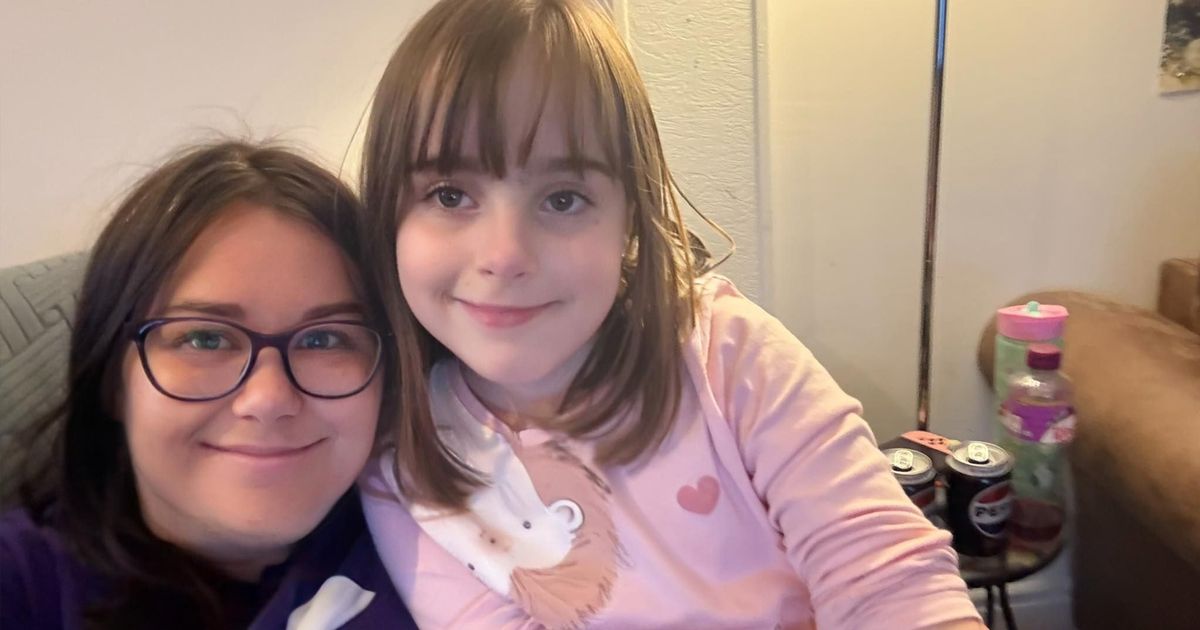
Her world is shaped by a complex, unpredictable, and sometimes dangerous condition
04:30, 14 Dec 2025Updated 14:05, 14 Dec 2025
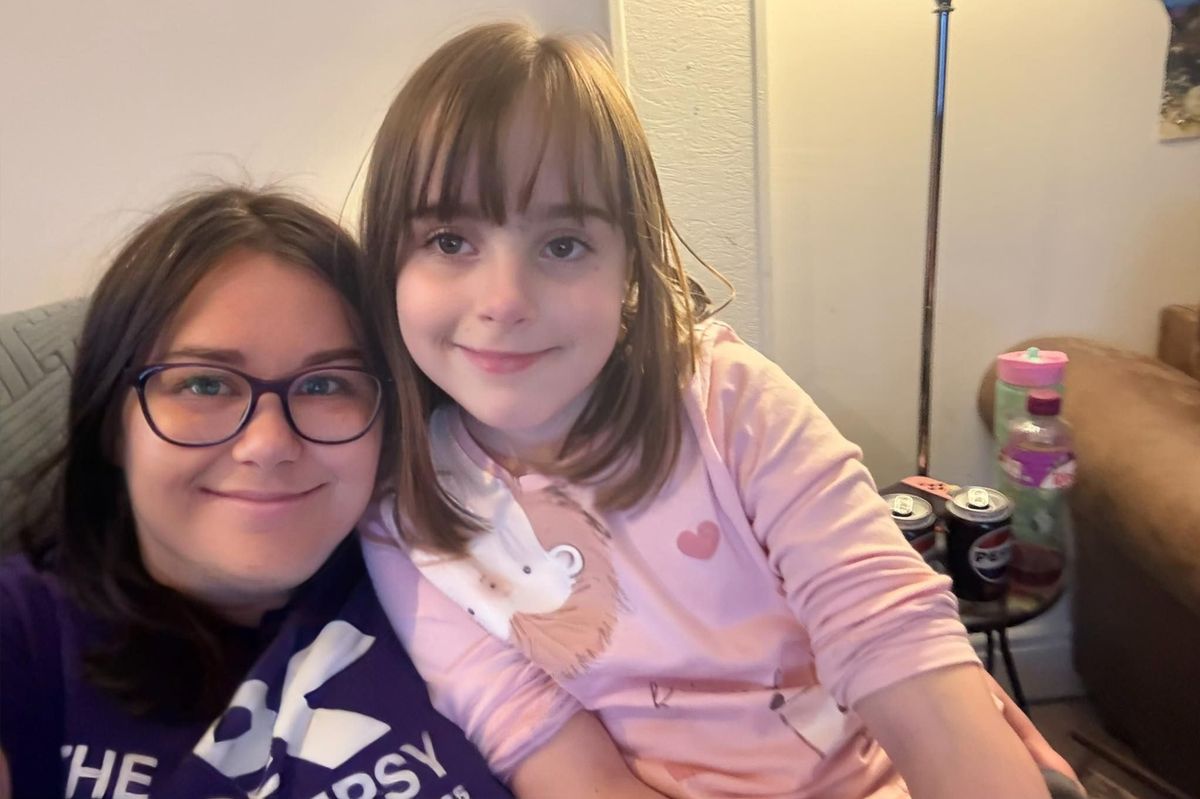 Lucinda Daniel pictured with her daughter, Eliana (Image: Lucinda Daniel)
Eliana is a bubbly ten-year-old from Ammanford, sharp-witted with a quirky sense of humour. On the surface she looks like any other child her age. But behind that brightness is a daily reality shaped by an illness that makes even ordinary childhood milestones feel precarious.
Riding a bike, sleeping alone, or simply drifting off without fear are things she hesitates to do. Her world is shaped by epilepsy: complex, unpredictable, and sometimes dangerous.
Epilepsy is a neurological condition that can affect anyone, at any age, and from any background. According to Epilepsy Action, in the UK, around 630,000 people live with the condition; roughly one in every 100. Each day, approximately 80 people receive a new diagnosis.
Among these, one in four are over the age of 65, and one in 67 older adults has epilepsy, a figure that is expected to rise. Children are also affected: about one in every 220 under the age of 18 will be diagnosed, meaning that in a typical primary school there may be two children with epilepsy, and in a secondary school, around nine.
Eliana’s seizures take multiple forms, and their unpredictability has real consequences. She experiences absences, where she stares blankly, and episodes where she walks in circles. “Some people may not see anything wrong – that she is just daydreaming. But you can’t get her out of her own headspace,” her mum, Lucinda Daniel explained.
Drop seizures can make her collapse suddenly, and in January 2024, one caused her to fall and split her lip, requiring same-day plastic surgery. Focal seizures affect her chest muscles, making it difficult to breathe, with her arms and legs jerking involuntarily. “It gives her a lot of anxiety,” Lucinda said. “She’s got a bike, but she’s too scared to learn to ride it because she’s worried she might have a seizure and fall off.”
Eliana was born ten weeks early, and not expected to survive. Her mother, Lucinda remembers the day – back in 2015 – vividly. “I woke up that morning and started to go about my day when I realised she hadn’t moved since I had woken up,” she said.
With Eliana being Lucinda’s third pregnancy, Lucinda did not panic and instead tried the usual tricks – fizzy drinks, sweets, a walk around the room – but nothing worked. “None of the normal things worked,” she recalled. “So I spoke to a friend, who was training to be a midwife at the time. She urged me to call the hospital immediately.”
At Glangwili Hospital, the monitor initially showed a heart rate around 180. “I thought, ‘Oh yeah, everything’s good, we’ll be sent home soon’,” Lucinda said. But the nurse returned, her face dropped, and she came back with four or five doctors. “They just told me that she has got to come out right away. There’s no time to wait for anything – she was only 30 weeks at the time.”
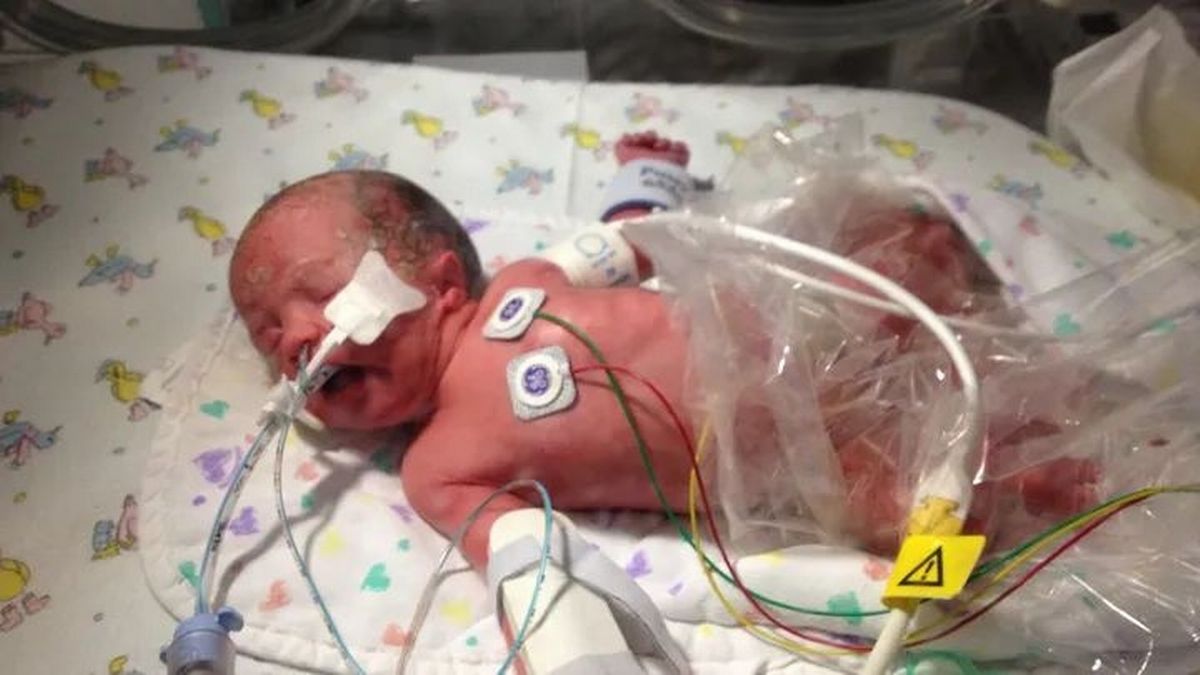 Eliana was born ten weeks early, with doctors sceptical about her survival(Image: Lucinda Daniel)
Lucinda described the next moments as complete shock. “I didn’t know what to do. What to think. I just completely shut down. I didn’t even speak; just let them inject me with steroids and move me to the labour ward. I was in so much shock that I couldn’t even undress myself to put the gown on, my mother-in-law had to help me.”
In theatre, the spinal block wouldn’t work, and with Eliana’s heart rate fluctuating dangerously, Lucinda was put under general anaesthetic. “Looking back, being asleep turned out to be a blessing,” she said. “She was actually born not breathing, so she had to be resuscitated and put on life support. In hindsight, it was probably better that I wasn’t awake for that.”
Eliana was transferred to Singleton Hospital the next morning, and Lucinda didn’t meet her daughter until 48 hours later. Eliana remained in hospital for five weeks while Lucinda recovered from sepsis herself.
Despite these early challenges, Eliana began to show signs of resilience. But during routine scans at two or three months, Lucinda learned for the first time that Eliana had suffered multiple brain bleeds at birth.
“Oh, the brain bleeds? Nobody had actually told me at the time. I don’t know why – maybe it got lost in translation during the multiple transfers,” she shared. Little did she know, that this would have a significant impact on both Eliana – and the family’s – whole life.
As Eliana grew, her early vulnerabilities continued. She developed recurring respiratory issues, bronchitis, and dangerously low blood sugars every few weeks. Specialists explored possible metabolic conditions, but tests came back clear.
“It was around this time that she started developing seizures,” Lucinda said. “She was treated at Glangwilli, and as part of their investigation, she had an MRI and lumbar puncture.”
This was a major turning point for the family, as the MRI came back and showed that she has damage to the left hand side of her brain. “She’s got something called periventricular damage to the left frontal horn,” Lucinda continued. “Then a two-day EEG confirmed seizure activity even when nothing was visible. The diagnosis was drug-resistant epilepsy.”
Alongside epilepsy, Eliana has severe learning difficulties, hypermobility, asthma, ketotic hypoglycaemia, and speech and language challenges. Despite this, Lucinda describes her as “very bright” in her own way. “She’s articulate, quick-witted, and has her own sense of humour,” Lucinda adds affectionately.
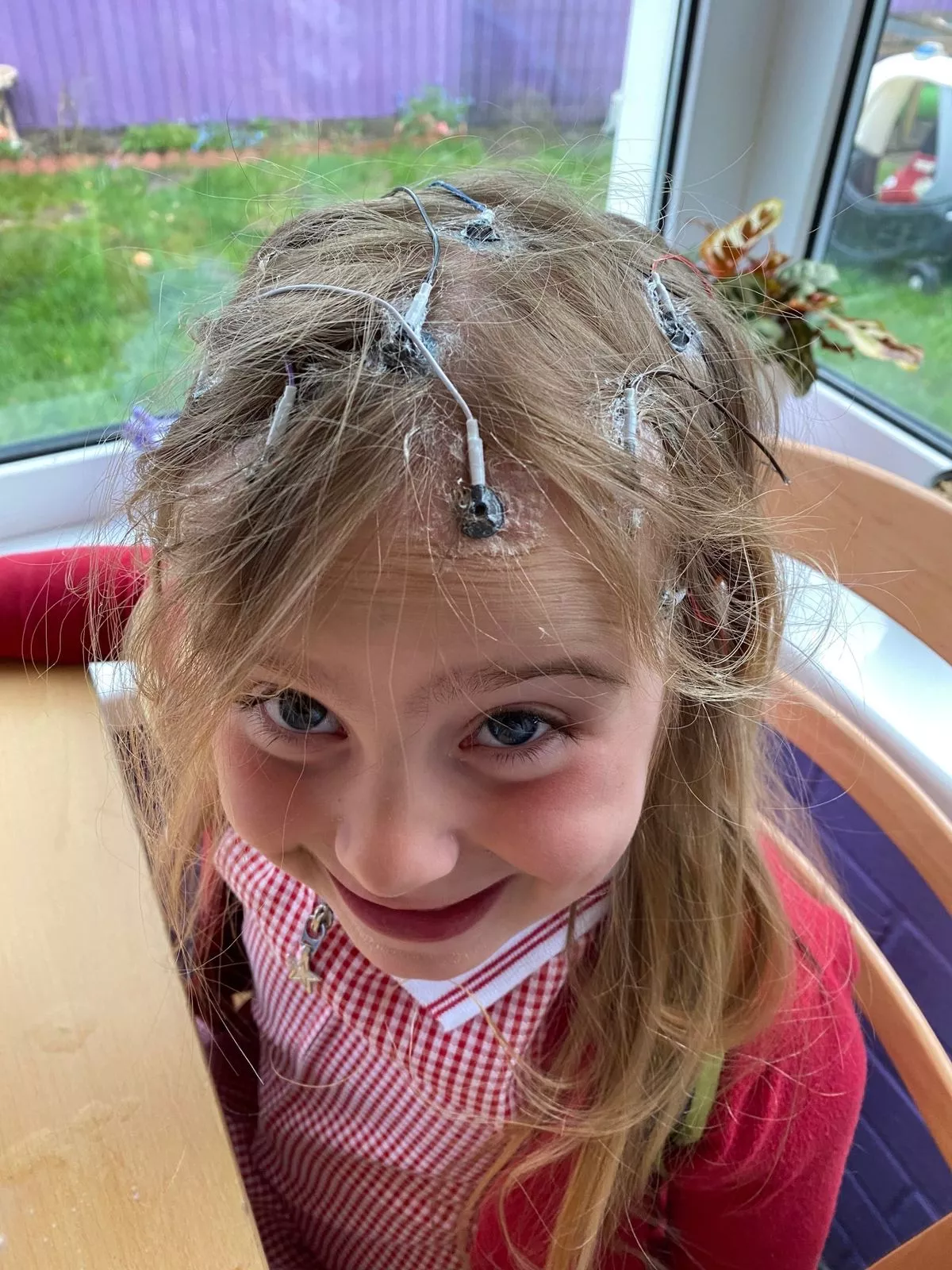 Eliana has become more conscious of her condition and is keen to educate other people about it (Image: Lucinda Daniel)
She also attends a special-needs school and is actively involved in fundraising for the Daisy Garland charity, including recording a video to help raise awareness. “She is really switched on to it,” her mum says proudly. “She is keen to talk to her friends and family, she likes to read this book ‘Epilepsy and Me’, to help people understand it.”
This year, Eliana’s epilepsy has taken a worrying turn, with the onset of night-time seizures – an evolution that has heightened the family’s anxiety. “Four weeks ago, she happened to be sleeping in my bed for the night, and I noticed she was making some really strange sounds,” Lucinda recalled.
“I managed to stay awake, and between myself and my eldest daughter, we watched over her. We even recorded some of the seizures; which sounds awful, but it’s incredibly helpful for the doctors when it comes to diagnosis and adjusting her medication.”
Uncontrolled seizures carry an increased risk of Sudden Unexpected Death in Epilepsy (SUDEP). “Our consultant was very honest with us from the start, and I really appreciated that,” Lucinda said. “I’d rather prepare myself for the worst and hope for the best. That’s my motto – so as long as I’m aware of what could happen and know how to handle it, I feel a little more in control.”
The night-time seizures have also affected Eliana directly, making her afraid to go to sleep. “She’s heard of Cameron Boyce and what happened to him,” Lucinda admitted. “She is very scared of that prospect.”
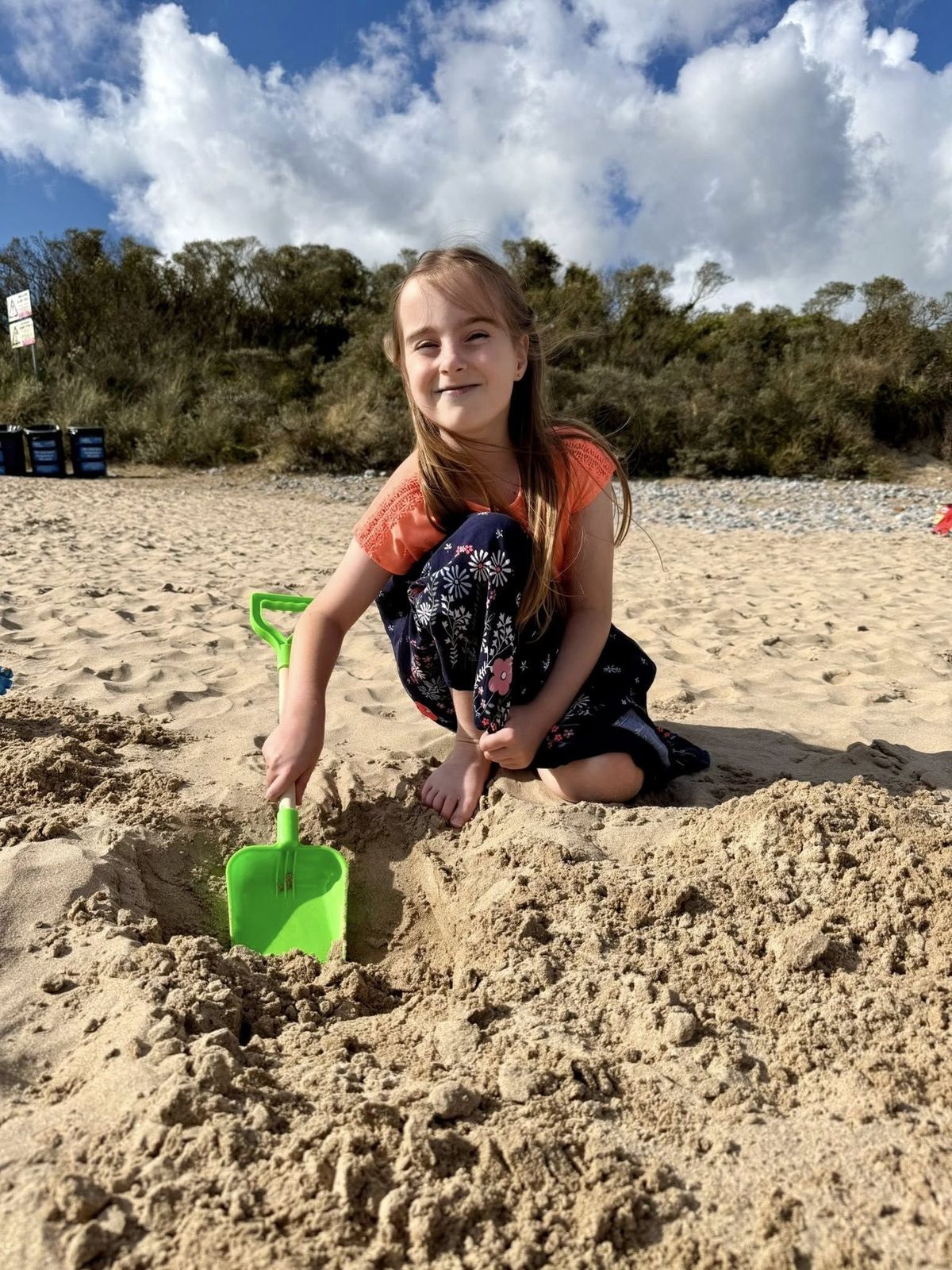 Eliana is described as extremely bubbly, with a unique sense of humour(Image: Lucinda Daniel)
Lucinda has learned to balance vigilance with normal life. Illnesses or changes in blood sugar put her on high alert, but says that fear is inescapable. “My eldest is sixteen, has witnessed the most – so she struggles. Both she and her brother take on caring roles, stepping in whenever Eliana needs attention, especially when I am not in the room.
“In the moment, you just have to get on with it. But a couple of days or a week later, it will suddenly hit me like a sea and then the tears will come.
“Like she had a sickness bug last week and her blood sugars have been good for the last year – but the second she started having a vomiting bug – I’m on high alert.” Stay informed on the latest health news by signing up to our newsletter here
To help monitor Eliana’s seizures and bring some peace of mind to the family, consultants recommended a Nightwatch+ monitor, an essential piece of equipment costing £1,300, a huge sum for any family, especially in the run-up to Christmas. Lucinda’s friend suggested setting up a GoFundMe page to help cover the cost.
“I was really uncomfortable doing it,” Lucinda admitted. “I am not the sort of person to ever ask for support personally, but I had no other option here. This could essentially save my daughter’s life.”
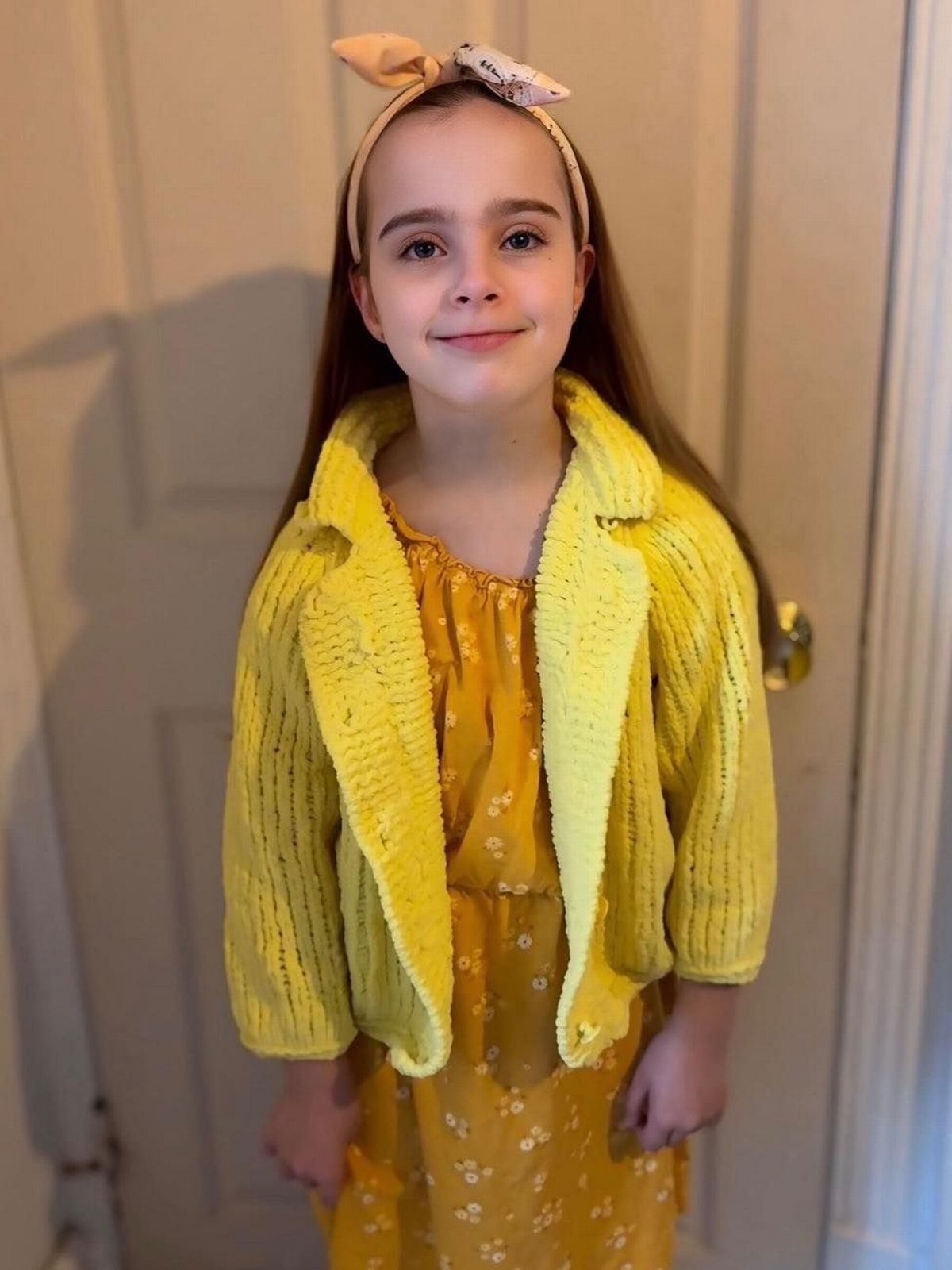 Eliana wearing yellow for World Mental Health Day (Image: Lucinda Daniel)
She wasn’t sure who would even donate, but was overwhelmed by the response. “It has been amazing to see,” she said. “My husband, Eliana’s stepdad, has a friend he’s been playing online with for ten years and never met in person. And he just sent over a £100 donation. It was little things like that you just don’t expect.”
The family has now raised enough to purchase the monitor, which is already proving invaluable. “It’s given both me and Eliana some peace of mind,” Lucinda said. “Having a monitor means I can go to bed at night. Before, sometimes I’d be scared to go into her room. If she slept half an hour longer than usual, I’d panic, not knowing if she was okay.”
The GoFundMe page will remain open to help fund other essential items, including a camera for her room, an anti-suffocation pillow, and sensors for her oxygen monitor. Any remaining funds will be donated to the Daisy Garland charity, which has supported the family and countless others through difficult times.
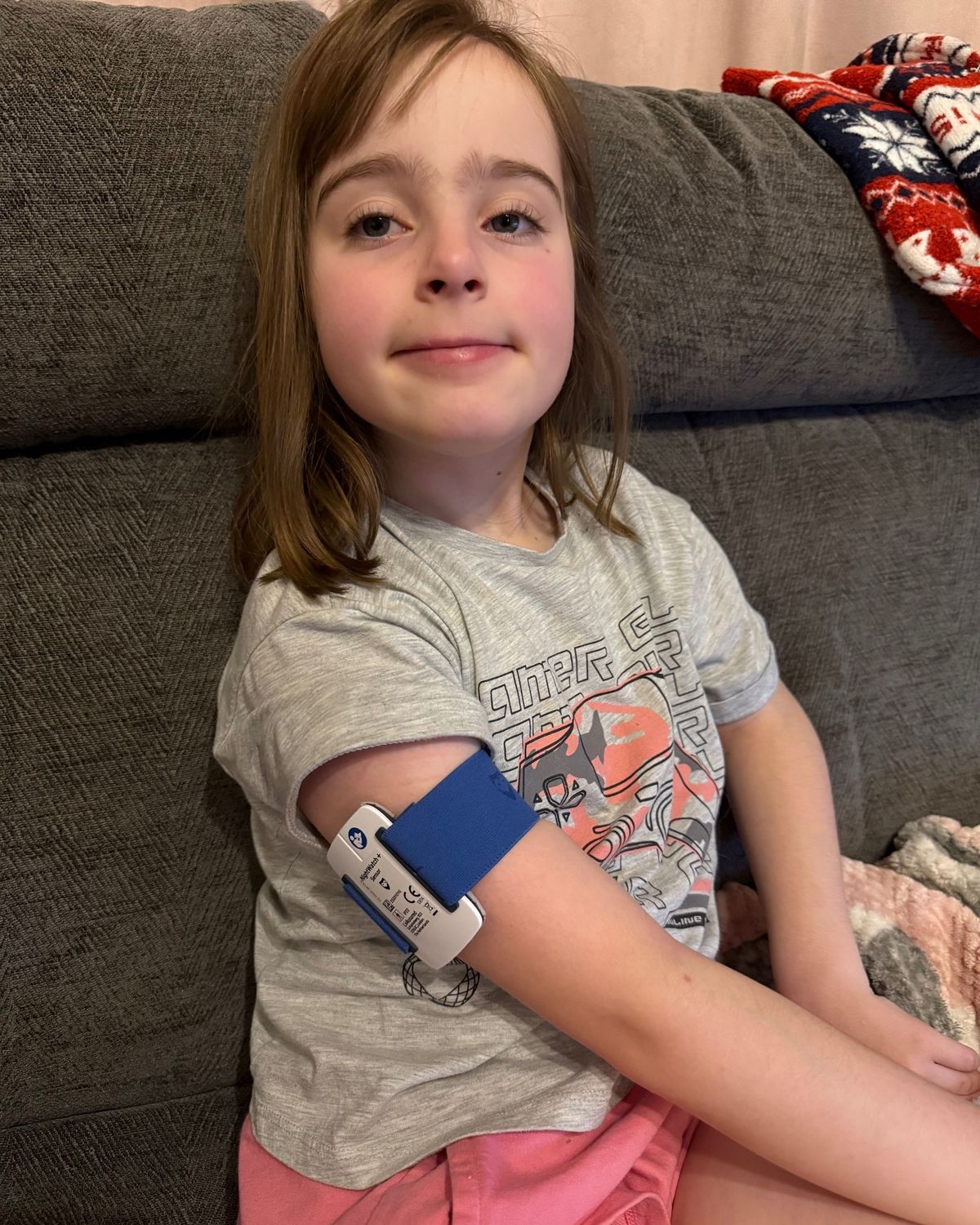 Since the monitors have been installed, Lucinda said that there is new peace of mind when Eliana goes to bed(Image: Lucinda Daniel)
“We want to help give back to a charity that has helped us through so many difficult times – and help them keep helping families like ours.”
Despite everything she has faced, Eliana’s spirit shines through. She is funny, curious, and full of life, even as she navigates a condition that can be frightening and unpredictable. Her family has learned to live with constant vigilance, balancing caution with hope, and finding strength in the small victories each day brings.