
Unite members at the City of London Corporation had rejected a 3.2 per cent pay rise but officers warned a larger bump would pose issues for its Housing Revenue Account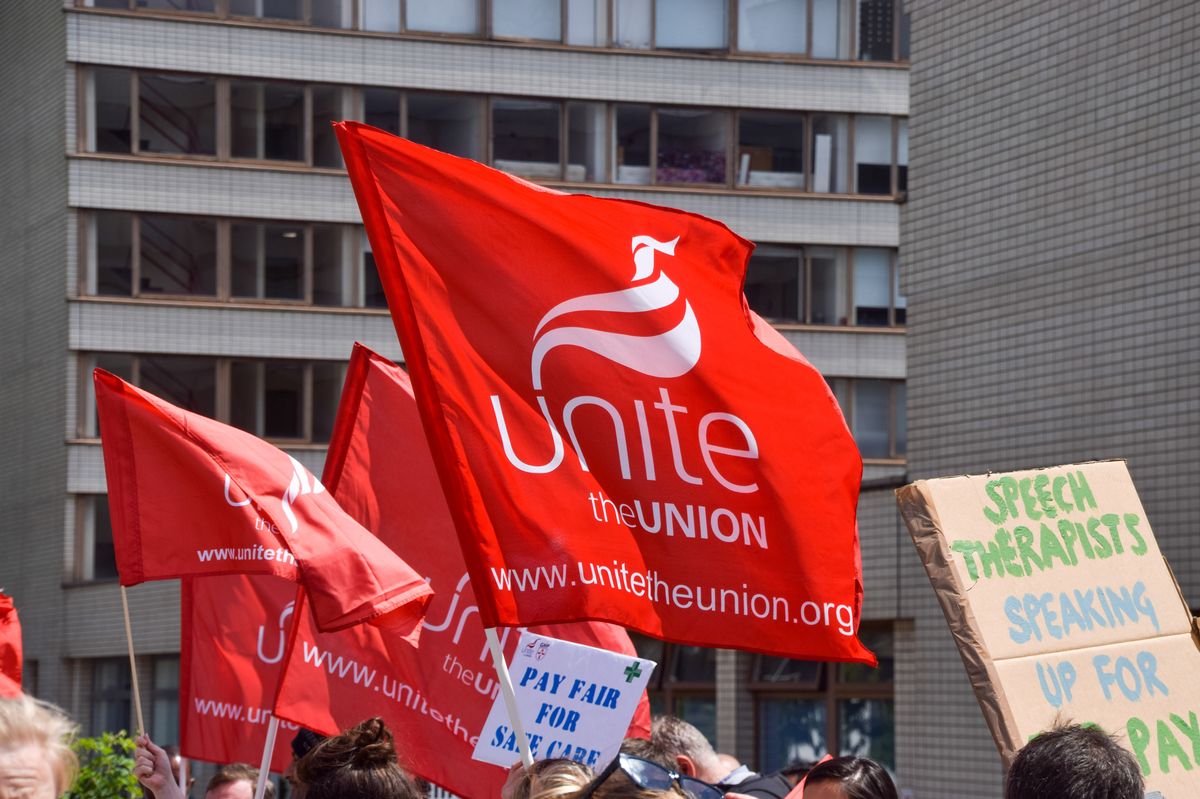 Unite wants a 3.5 per cent pay rise but GMB members agreed to a 3.2 per cent rise (stock photo)(Image: Vuk Valcic/SOPA Images/LightRocket via Getty Images)
The City of London Corporation has told a union if it gives its members the pay rise they are demanding it would effectively bankrupt its housing revenue account.
The Local Democracy Reporting Service (LDRS) understands Unite was warned of the risk during negotiations over a potential 3.5 per cent hike. The Corporation’s offer of a 3.2 per cent pay rise was accepted by GMB members but rejected by Unite.
The union was then told by Corporation officers that if its request for a larger increase was agreed it would put further pressure on the City of London’s Housing Revenue Account (HRA), forcing the Corporation to issue a Section 114 effectively declaring bankruptcy on that account.
A City of London Corporation spokesperson said it is taking “sensible steps” to manage the pressures on its HRA “and ensure it remains sustainable”. Unite was approached for comment.
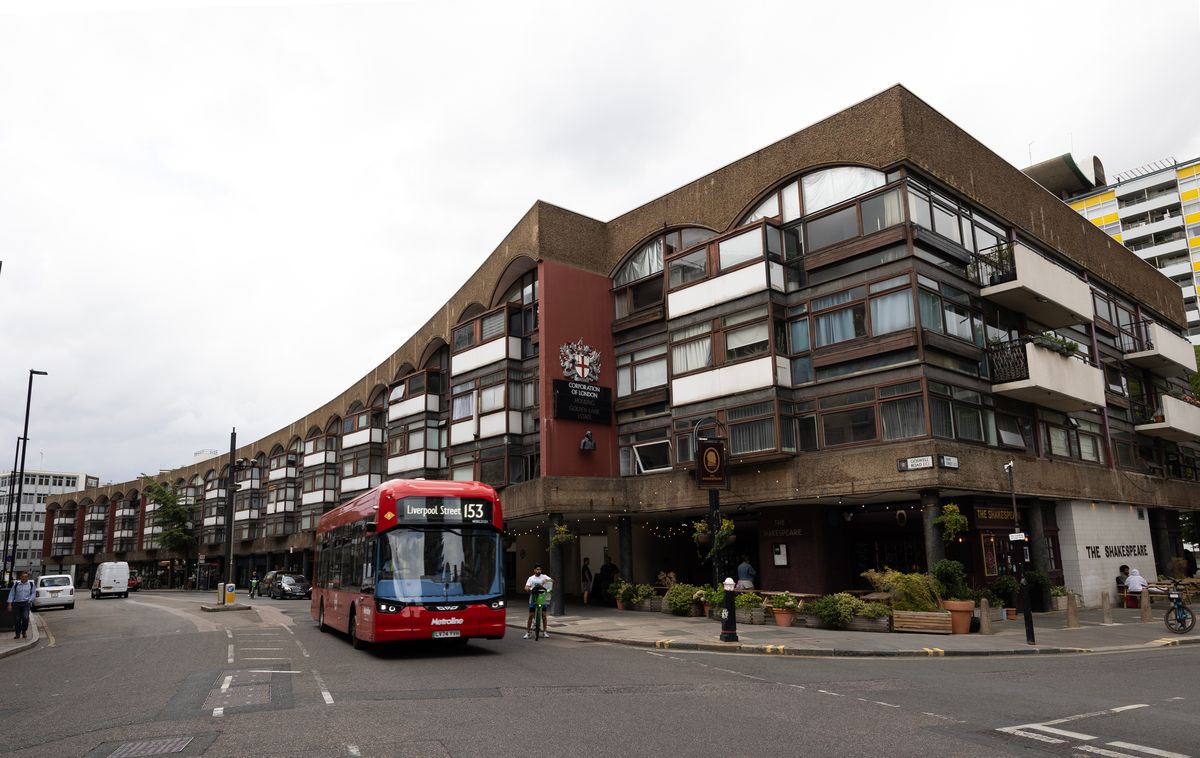 The City of London Corporation manages a number of housing estates including Golden Lane(Image: Facundo Arrizabalaga/MyLondon)
All local housing authorities which own more than 200 social homes have HRAs. According to the Government’s website, HRAs “record expenditure and income on running a council’s own housing stock and closely related services or facilities, which are provided primarily for the benefit of the council’s own tenants”.
They form part of an authority’s General Fund but are ring-fenced, meaning money cannot be transferred in or out of the account for other uses.
The pressures on the Corporation’s HRA have been extensively documented in particular due to its backlog of repairs following years of underinvestment. Delays to projects such as at Black Raven Court have also resulted in reduced income.
A paper on the account which went to the Finance Committee this week detailed how, while an expected overspend for this year has been reduced, there are significant concerns about its sustainability. The paper noted pressures from issues such as rental income being capped by Government below inflation for a number of years and new health and safety requirements, in addition to the small and dispersed nature of its estate and the backlog of works.
Councils that are unable to balance their books are able to issue a Section 114, which indicates they have gone effectively bankrupt.
This has been seen more regularly in recent years due to the growing financial pressures on local authorities, with Croydon, Birmingham, Woking and Slough among those to issue the notice.
Section 114s can be issued in response to HRA finances becoming unsustainable. The Corporation was asked to clarify whether a Section 114 can generally be issued for the HRA specifically but it did not provide a direct response to that query.
Jargon buster
Council documents often contain a lot of jargon which might not make sense. Here’s a list of commonly used jargon, and what it means:
EFS (Exceptional Financial Support): This is a temporary government assistance to councils facing severe financial difficulties. It’s used to avoid bankruptcy, and allows councils to borrow
MHCLG (Ministry of Housing, Communities, and Local Government): This is the national government department of Housing, Communities and Local Government – the department which decides whether to provide EFS to councils
Reserves: Think of the reserves like your savings. It’s the council’s piggy bank of savings in case of a rainy day. If these savings go too low, the council cannot protect itself against difficult financial circumstances, and must issue a Section 114
Section 114: This is a notice issued by the council when it cannot balance its budget, restricting all spending except for essential services – commonly described as bankruptcy. This often means government administrators come in to control council finances, for example in Croydon, and residents can expect to see services cut
Section 151 Officer: This is the council’s Chief Financial Officer who oversees the council’s finances, and maintains the legal power to issue a Section 114
Statement of Accounts: This is a formal and legal document published yearly by councils detailing their financial performance and fiscal position for the preceding financial year
At a recent Joint Consultative Committee meeting Leila Ben-Hassel, Chair of Unite’s City of London Branch, highlighted the warning from the Corporation.
She questioned whether the HRA was as exposed as the Corporation was claiming though urged members to use their positions to advocate for greater Government support for public services.
A Corporation officer however reiterated the concern, telling Ms Ben-Hassel: “Adding more pressure to the HRA would put them into a Section 114 because they need to be balanced. And that is I guess one of the areas that is very sensitive at this time.”
A spokesperson for the City of London Corporation said: “We are pleased to confirm a 3.2 per cent staff pay increase which matches the national Local Government Pay Award.
“This rise reflects the dedication of our workforce, who deliver essential services in the Square Mile and beyond. While we are disappointed agreement was not reached with Unite through the consultation and negotiation process, we appreciate that GMB members voted to agree the offer.
“We value our Trade Unions and Senior Employee Representatives, and remain committed to constructive and collaborative working. Like local authorities across England, we are managing affordability pressures across all our budgets, with challenges in the Housing Revenue Account.
“This ring-fenced fund, like those in many councils, is experiencing tighter financial conditions, and we have been open about this. We are taking sensible steps to manage the situation and ensure it remains sustainable.”
The Corporation’s housing stock is smaller than other London councils. It has around 3,000 homes in its HRA, of which 1,921 are rented. This equates to around 20 per cent of what other London boroughs hold.
A paper which went to the Corporation’s Court of Common Council – its equivalent of Full Council – this week outlined plans to allocate up to £152m in funding over the next decade to support the renovation works required to bring its homes up to scratch.
Get the biggest stories from around London straight to your inbox. Sign up to MyLondon’s The 12 HERE for the 12 biggest stories each day.