WANA (Dec 15) – According to reports by American media outlets, Shirin Saeedi, an assistant professor of political science and director of the Middle East Studies Program at the University of ArkansasUniversity of Arkansas, was removed from her administrative position after posting content on the social media platform X in support of Iran’s leader and criticizing what she described as genocide in Gaza.
However, what truly matters is the broader context of this news. Removing a faculty member from a managerial role due to expressing views on a humanitarian issue such as Gaza, or in defense of one’s country, can have serious and far-reaching implications.
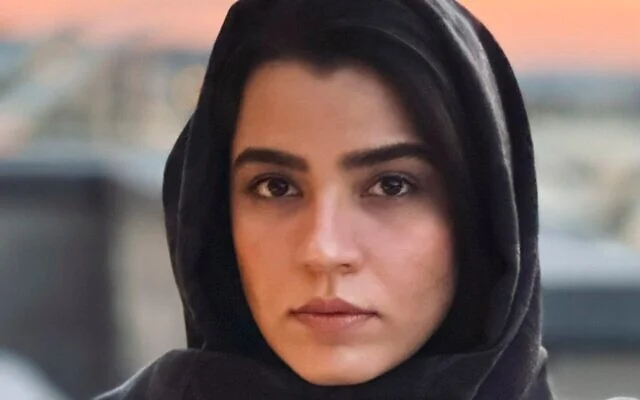 Helia Doutaghi Responds to Yale Suspension
WANA (Apr 05) – About three weeks after the controversial suspension of Helia Doutaghi, an Iranian scholar at Yale University, due to her outspoken support for Palestine, a video recently shared on social media has sparked a new wave of reactions. In the video, Doutaghi speaks with clarity and firm conviction about the reasons behind […]
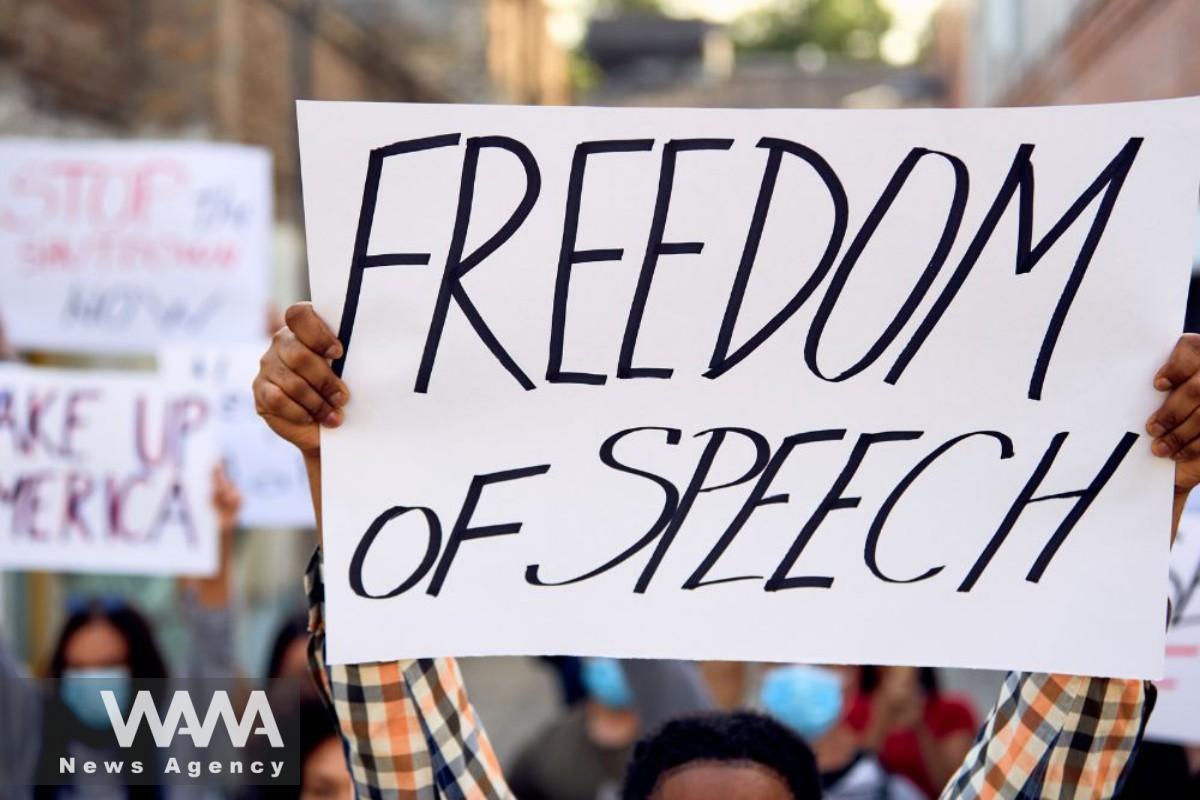
In the United States and the West, freedom of expression and academic freedom are frequently presented as core principles of the educational system. It is often claimed that university professors, within legal frameworks, are free to criticize domestic and foreign policies. Yet developments following the Gaza war have shown that, in practice, there is a significant gap between these claims and reality.
In recent months, numerous reports have emerged of pressure being exerted on professors and students who adopted critical positions toward the Israeli regime—pressures that in some cases have led to suspension, removal from academic responsibilities, or even dismissal.
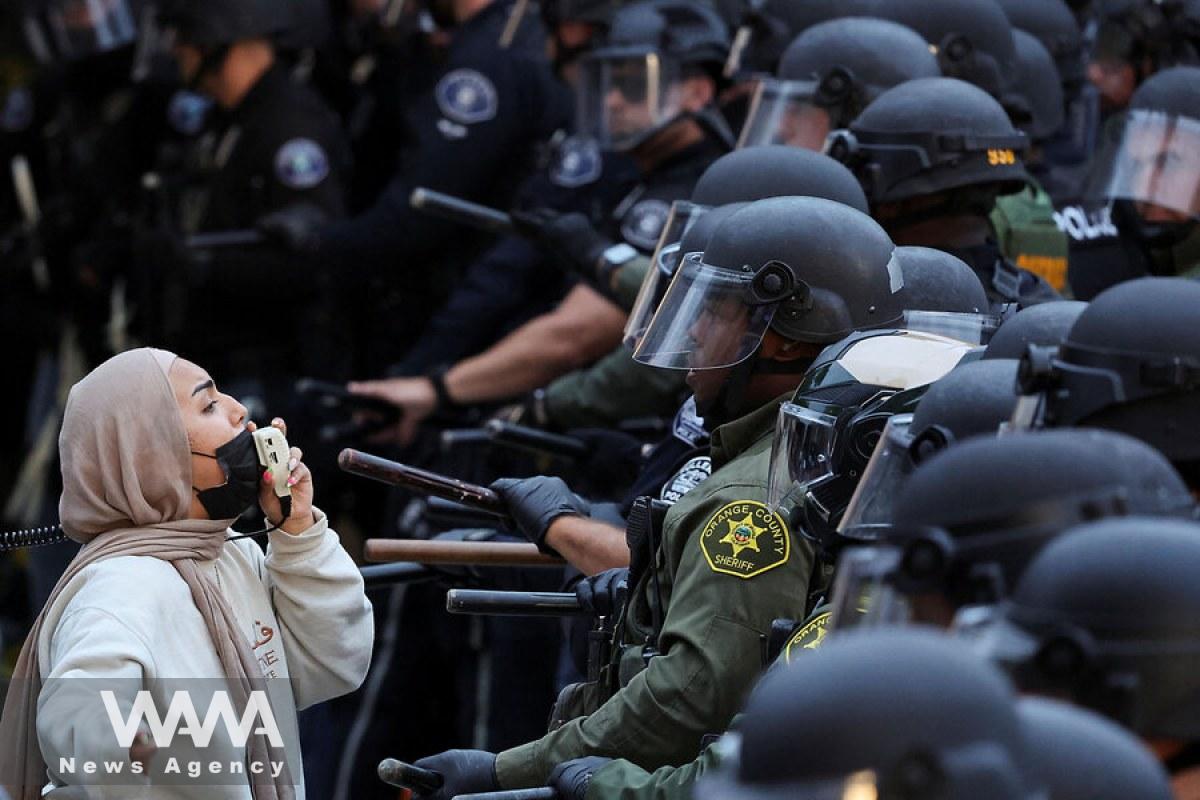
A similar approach has been observed in several European countries. In Germany, France, and the United Kingdom, crackdowns on university gatherings and activities related to support for Palestine have sparked widespread debates about freedom of expression and the role of governments within academic spaces.
These trends raise serious questions about the degree of independence universities truly enjoy from political and social pressures.
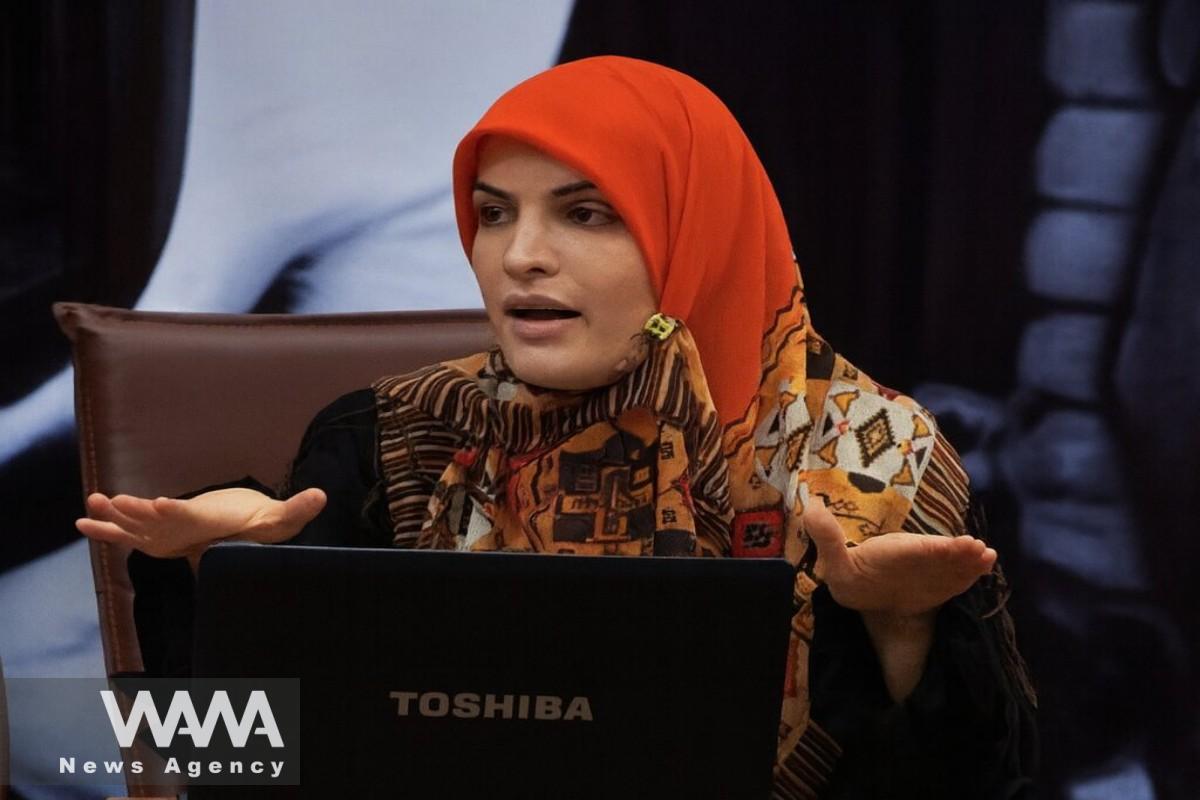
Shirin Saeidi. Social media / WANA News Agency
This stands in contrast to Iran, where—despite claims made by anti-Iranian media—there are numerous examples of openly active critical professors, including those whose views directly contradict the official positions of the state.
For instance, Sadegh Zibakalam, a professor of political science, has for years openly defended the Pahlavi regime and even Israel, while expressing sharp criticisms through the media and social networks, yet he continues to live and operate freely.
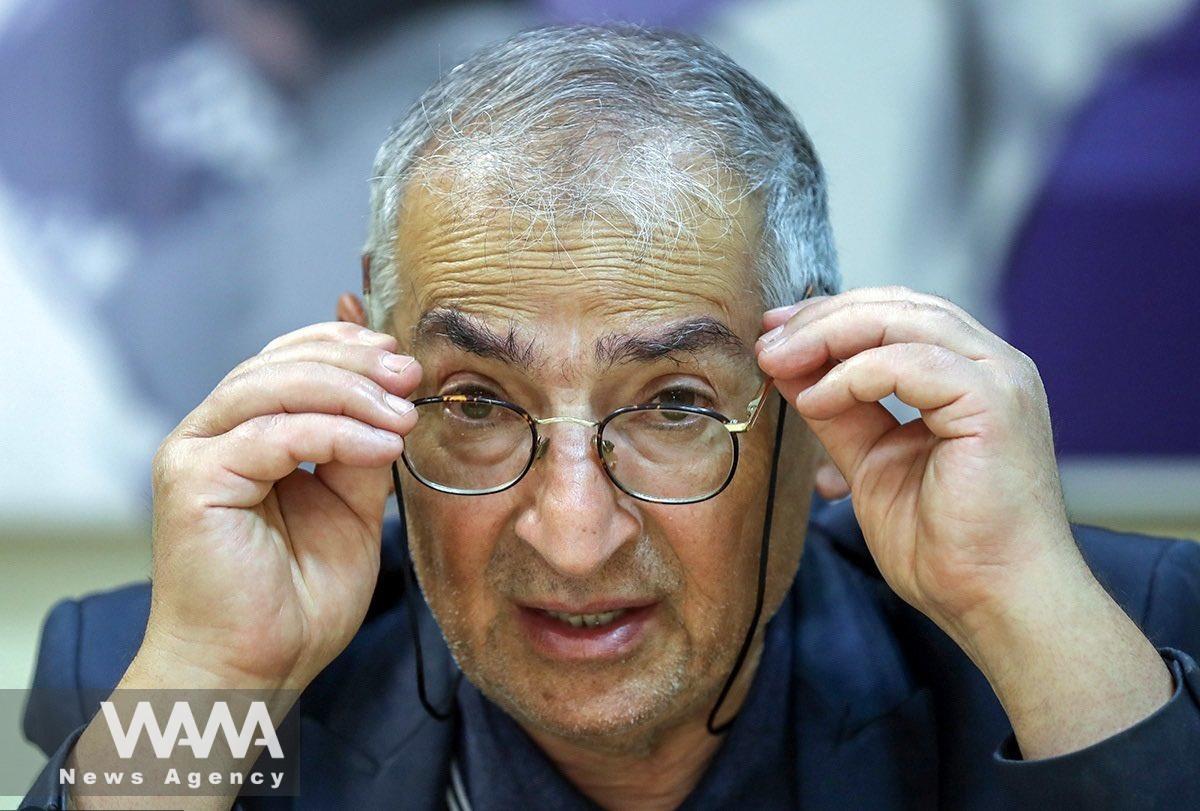 Ziba Kalam, Angry at unfaithful friends
WANA (June 17) – Iran’s judiciary rejected the news that Sadegh Ziba Kalam, one of the political activists and professor at the university, was suffering from an illness in prison. According to the judiciary’s announcement, Sadegh Ziba Kalam has been ill for a long time, and if needed, he can use legal leave for […]
With a simple search in the virtual space, many other examples can be found of Iranian professors who voice the harshest criticisms of the governing system, oppose Iran’s confrontation with Israel and the United States, and are effectively described as aligned with Western narratives—yet they continue to teach at universities.
This comparison does not suggest that conditions are identical. Nevertheless, it highlights the fact that freedom of expression in the West is often applied with double standards. In the United States and Europe, expressing views that run counter to dominant systems—particularly on issues such as the Israeli regime, Middle East foreign policy, security matters, migration, and the Palestinian cause—can carry severe consequences.
The case of the Iranian-born professor at the University of Arkansas can thus be seen as a clear example of the challenges facing freedom of expression in the West—challenges that became more pronounced after the Gaza war and demonstrate that freedom, even in systems that claim it as a foundational value, is not absolute and is subject to limitations and varying interpretations during critical political moments.